The Long Island Rail Road, fresh off a strike that left more than 300,000 daily commuters scrambling for car keys and shuttle alternatives, resumed service this week after union and management reached a last-minute accord. Governor Kathy Hochul laud…
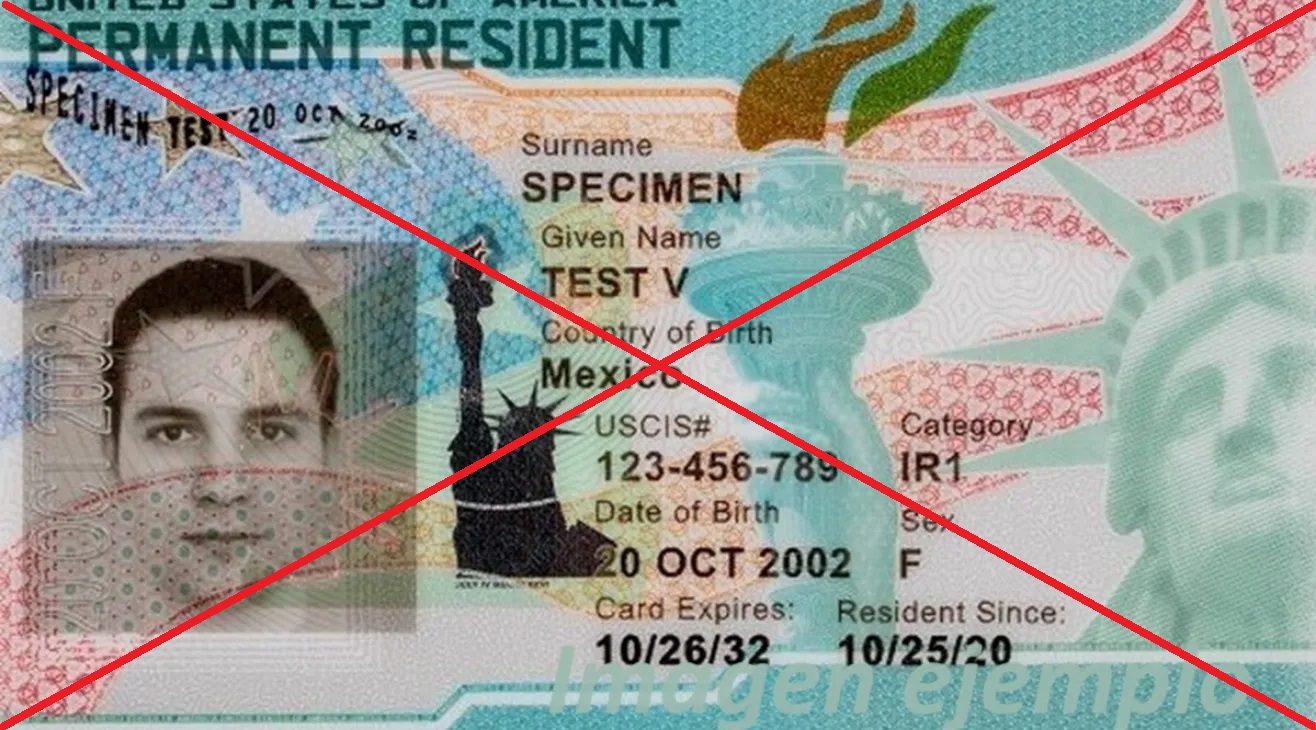
US immigration authorities put a freeze on green card, visa and naturalization processes for citizens from 39 countries—spanning Nigeria to Venezuela—after a November shooting in Washington D.C. by an Afghan national. With premium services paused and thousands stranded in legal limbo, we note the administration’s nimble knack for turning red tape into an Olympic sport—a contest in which participants rarely take home the gold.
New York’s state budget is now more than a month overdue, as lawmakers in Albany—masters of procrastination—sidestep the constitution’s deadlines yet again. The ritual horse trading attached to budget negotiations has left public services in limbo, costing billions and eroding faith in state institutions. We expect politicians to haggle, but apparently, calendars remain a harder bargain in the Empire State.
Queens is set to nab a modest green victory with the QueensWay, a 3.5-mile linear park converting a derelict railway into new open space, finally moving forward as city funding kicks in for its first five-acre slice. With 245,000 residents and 28 schools nearby—and Central Queens still woefully unparked—we suspect local businesses may soon see more joggers than delivery trucks.
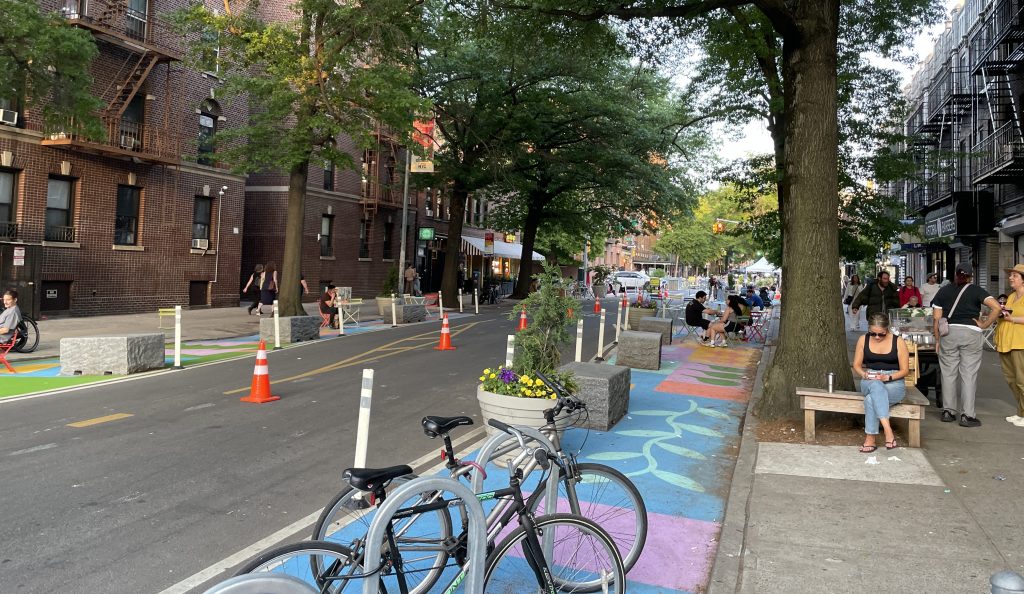
Advocates in Astoria, Queens see their closely packed streets as New York’s ripest test ground for low-traffic neighborhoods, a scheme popular in London and Barcelona that blocks through-traffic while letting locals, buses, and deliveries through. If Mayor Mamdani delivers on bringing such car-light civility to his old stomping grounds, we suspect Queens risks becoming—just possibly—the envy of New York, if not the world’s motorists’ least favorite detour.
New York City officials, alarmed by a spate of 175 violations in just four months, warn that Latino immigrants—especially in Sunset Park and Jackson Heights—are falling prey to “notario” scams, where service providers pose as lawyers or use misleading titles. With Trump-era deportation anxieties fueling demand for immigration advice, it seems consumer protection agencies may need more than disclaimers to stem this cottage industry.
A newly discovered sinkhole abruptly shuttered one of LaGuardia Airport’s two main runways on Wednesday, sending Port Authority officials scrambling just before the holiday exodus. Flights at the busy Queens hub continued on the remaining tarmac, though with delays that tested New Yorkers’ patience—and possibly taught us all that sometimes what’s beneath our feet matters more than what’s overhead.
LaGuardia Airport’s Runway 4/22 remains off-limits as Port Authority engineers tackle a sinkhole discovered beside it on Wednesday, causing the cancellation or delay of around 600 flights—a number even New York cabbies might envy. Officials expect the runway to reopen before Friday’s departures and advise travelers to check their flight status, lest they find themselves studying geology rather than jetting off from Queens.
Travelers at LaGuardia Airport were treated to an unplanned geological detour after a sinkhole surfaced near a runway on Wednesday, prompting the Port Authority to ground flights while emergency crews scrambled to assess damage. The beleaguered Queens hub topped FlightAware’s “Misery Map,” chalking up 270 delays and 197 cancellations—though the usual New York cocktail of heat and thunderstorms did try to claim some credit. Infrastructure, it seems, continues to keep us on our toes.
Gothamist
Sign up for the top stories in your inbox each morning.