The Trump administration pledged $8 billion to overhaul Penn Station, with Transportation Secretary Sean Duffy—under oath—naming Halmar-led Penn Transformation Partners as master developer and entrusting Amtrak to manage the project. New York’s gove…
Federal officials and Amtrak have tapped Halmar and Skanska, as Penn Transformation Partners, to overhaul Penn Station—promising a swish new Eighth Avenue entrance, airy concourses and a classical update to Madison Square Garden, for a cool $8 billion. We’re told the plan expands track capacity, but detailed blueprints, and concrete financial commitments, are works in progress—quite like Penn Station itself, these last several decades.
Amtrak and the Trump administration have chosen Penn Transformation Partners—a team including Vornado and Halmar—to revamp New York’s Penn Station, promising a brighter, loftier train hall by 2027 without moving Madison Square Garden. The plan nods to the lost grandeur of the 1910 original, with classical touches and more commuter-friendly paths, though aficionados of fluorescent gloom may soon find themselves displaced.
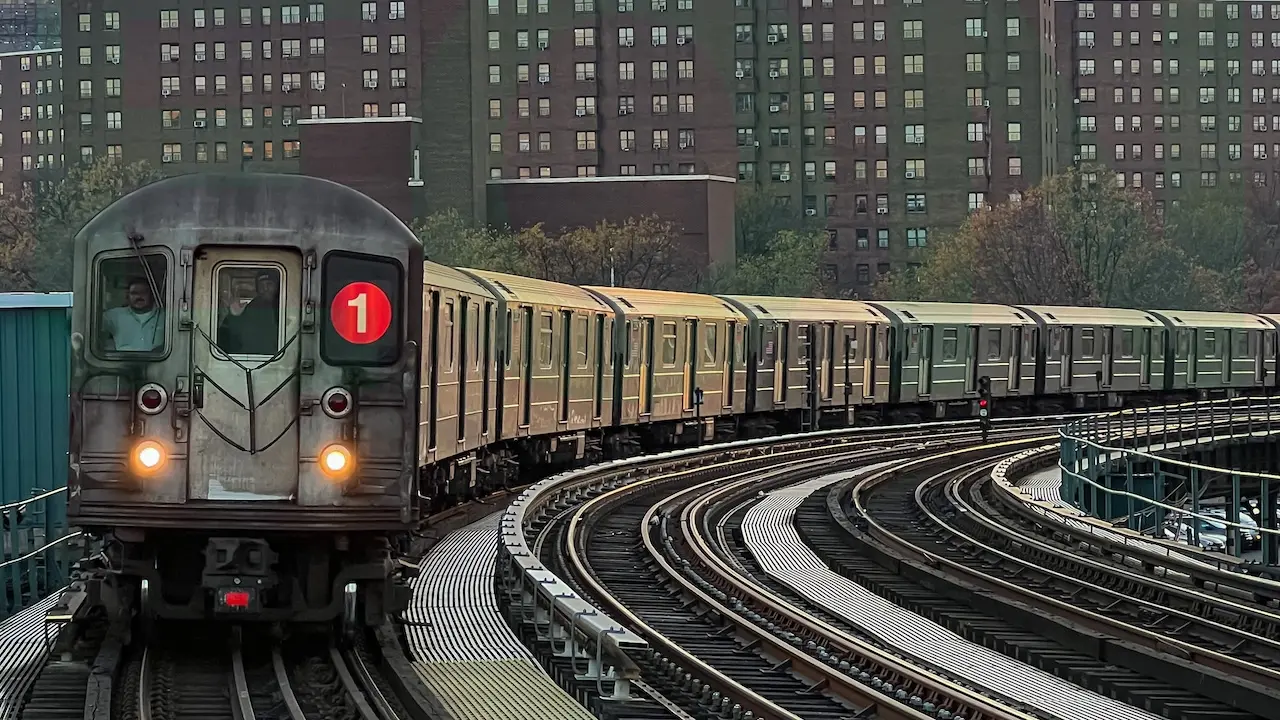
An errant metal panel from one of Amtrak’s flashy new NextGen Acela trains triggered last week’s Penn Station fire, singeing service for the 600,000 daily travelers on Amtrak, Long Island Rail Road and NJ Transit. Amid ongoing tunnel repairs (courtesy of Hurricane Sandy), all three operators were left sharing a single passage under the East River—a bottleneck less “next generation” than generational headache, with more teething problems likely on the way.
The Trump administration and Amtrak have tapped the Penn Transformation Partners consortium to revamp Penn Station—keeping Madison Square Garden firmly rooted in place. The feds are promising $8 billion and a “world-class” hub, with Halmar and Skanska at the helm, though precious little detail or sunlight has accompanied the selection. Governor Hochul insists New Yorkers won’t pay a dime, but we’ll believe it when the first shovel hits Midtown schist.
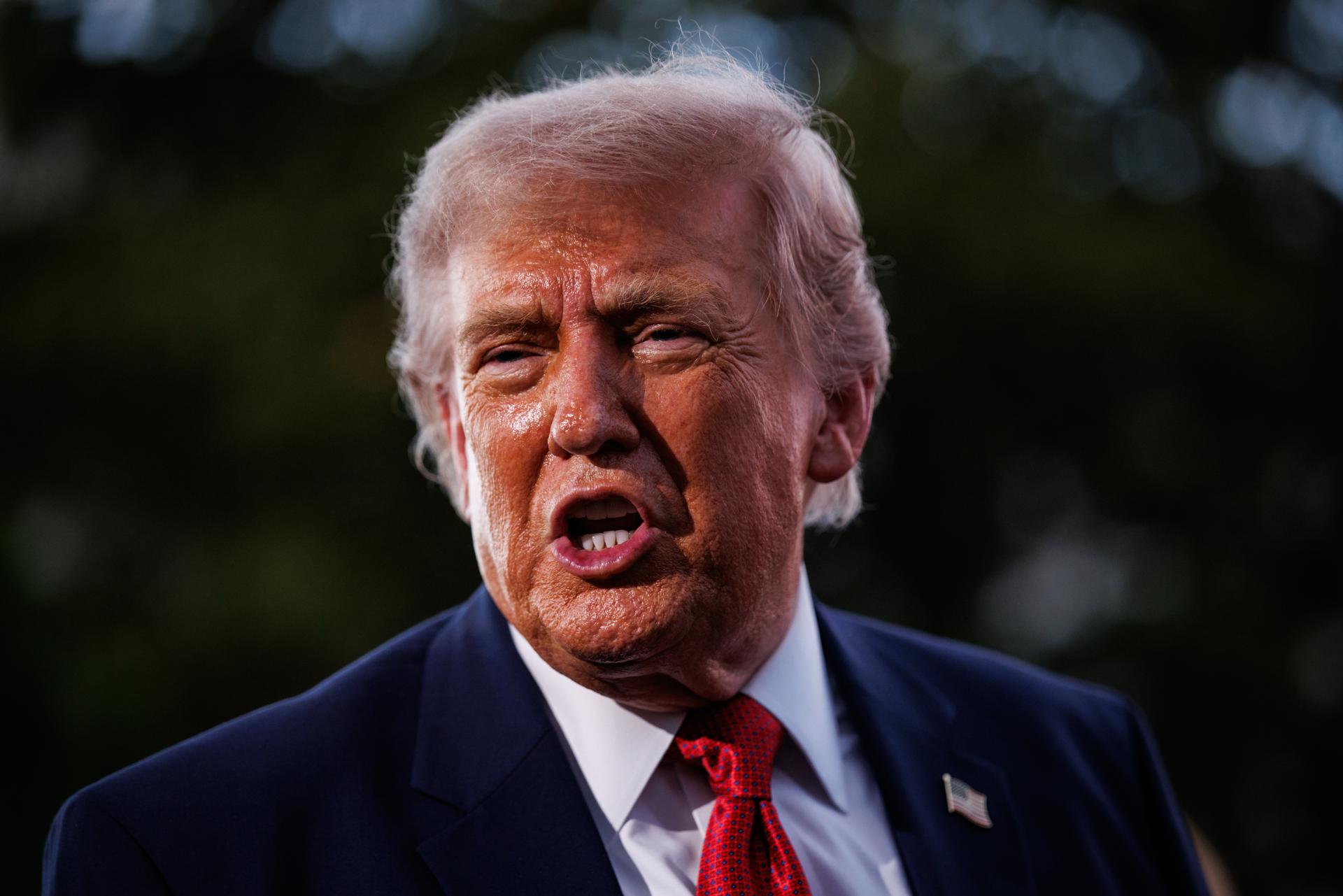
Donald Trump, never one to downplay his talents, has managed what no other: securing lifetime immunity from IRS audits for himself, his family, and business empire after suing the tax agency for a leaked return. The arrangement, brokered by erstwhile personal lawyer Todd Blanche—now moonlighting as Justice Secretary—retroactively shields Trump from tax penalties, and throws a $1.7bn bone to self-styled government “victims.” In Washington, some animals remain more equal than others.
Manhattan District Attorney Alvin Bragg is investigating Janjan Realty, owner of 207 Dyckman Street, after four tenants died in a May inferno possibly worsened by defective self-closing doors, just days after city inspectors cited the landlord for violations. A tenant is already charged with criminally negligent homicide for his role in the blaze; now, the landlord may find fire regulations harder to wave off than smoke.
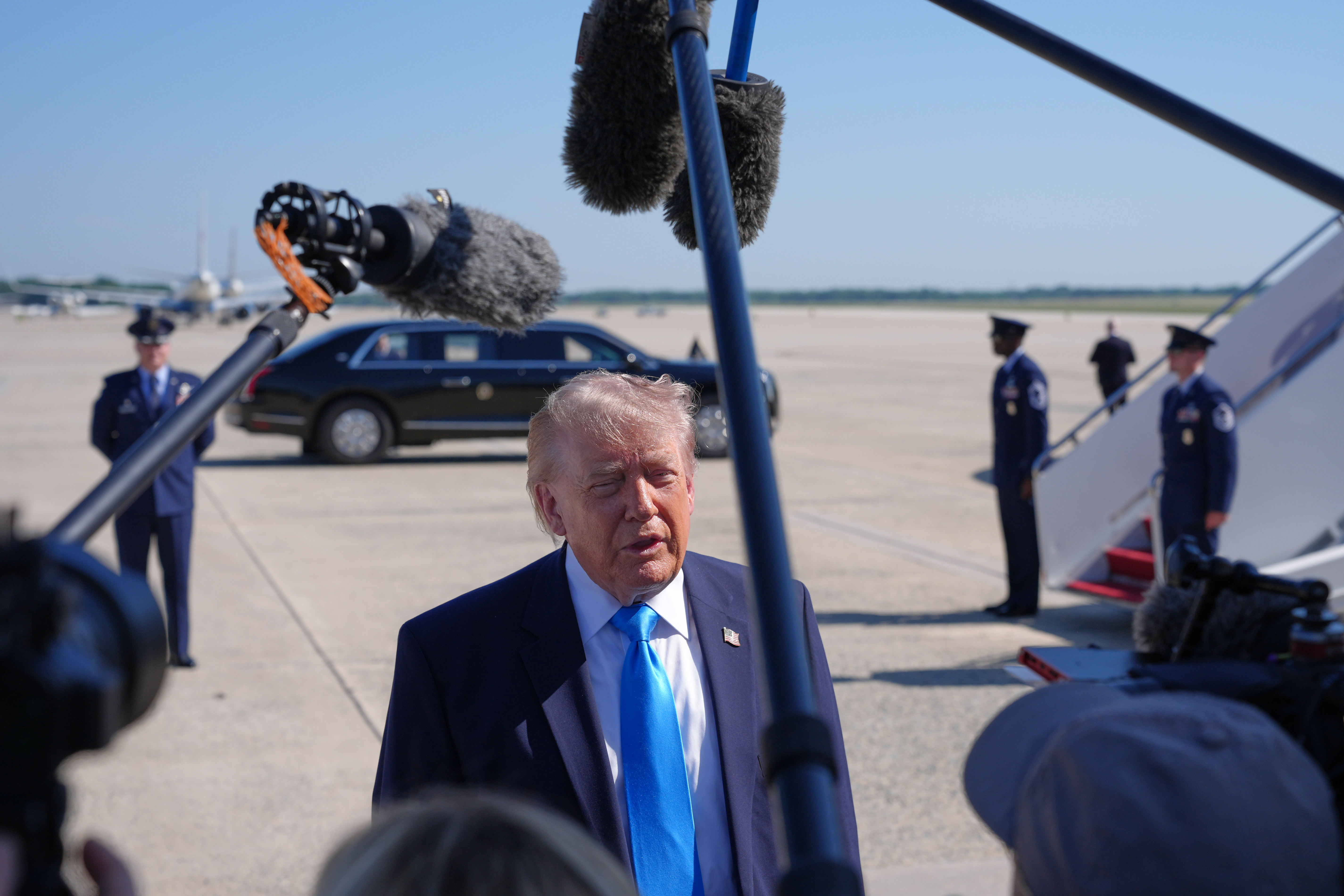
Donald Trump, back in Washington after a Connecticut jaunt, declared that the U.S. is waiting for Iran’s “correct” answers to end February’s war, warning that matters could escalate swiftly otherwise. He claimed oil prices will “plummet” once 1,600 tankers leave the Strait of Hormuz, and assured that Israeli Prime Minister Benjamin Netanyahu remains cheerfully compliant—a relationship less entente cordiale than wish fulfilment.
Amtrak has tapped new leadership to shepherd the long-delayed Penn Station redevelopment, hoping the latest face can finally unstick decades of inertia beneath Midtown Manhattan, even as LaGuardia’s own infrastructure woes—this time a rogue sinkhole—keep travelers on their toes. We await progress, though in New York transit, “track record” remains an ambition rather more than an achievement.
NYC Headlines | Spectrum News NY1
Sign up for the top stories in your inbox each morning.