Half of Americans Blame Trump Policies for Finances, Fewer Expect Relief by 2026
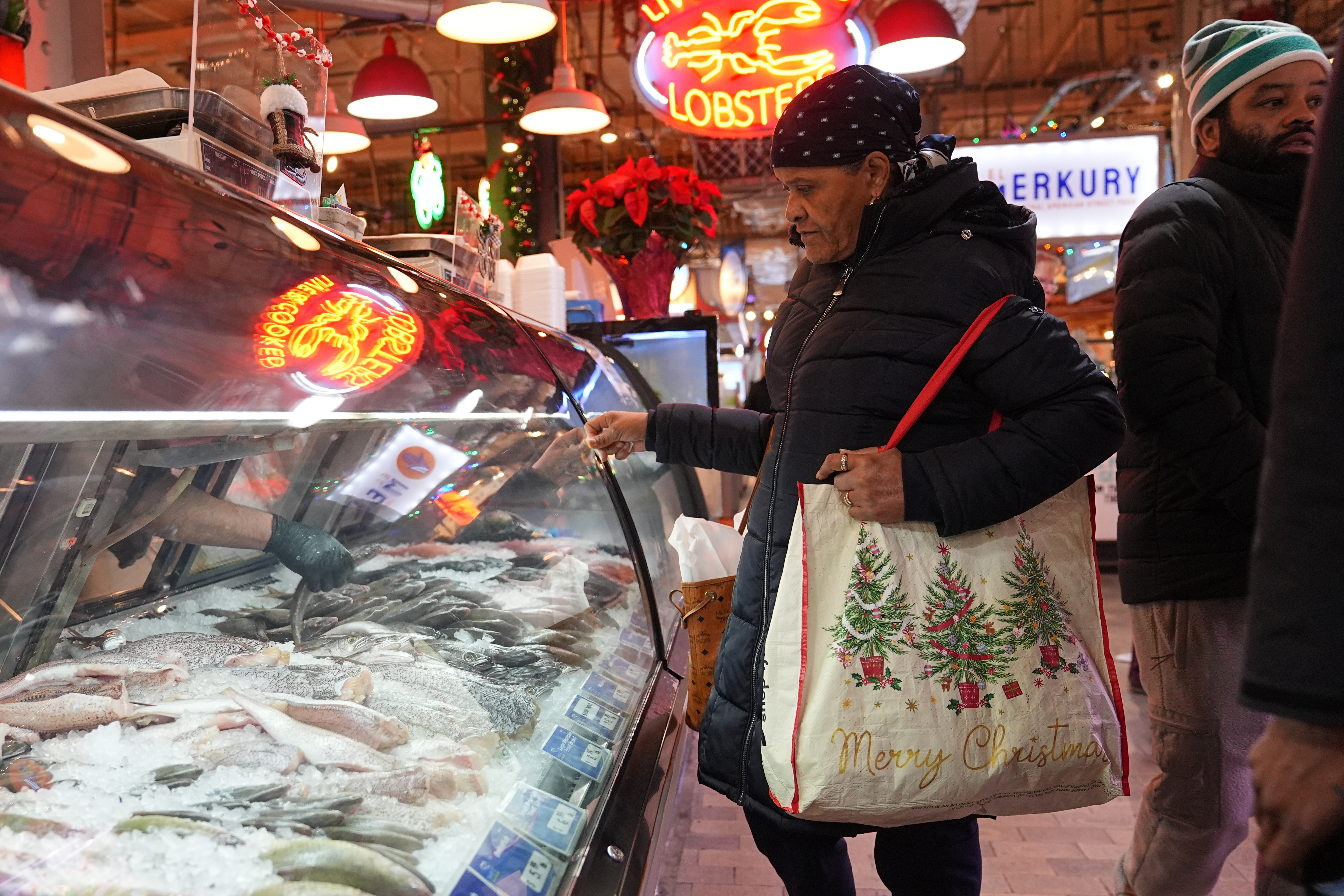
As perceptions of economic malaise dominate the headlines, New Yorkers are increasingly scrutinising how national policy choices—real or perceived—shape their wallets and futures.
New York City, rarely subtle in its barometer of national anxiety, now simmers with the ambient tension of economic malaise. Ask almost any denizen of its sprawling boroughs, and you are likely to hear a variation on a familiar theme: New Yorkers feel squeezed between rising costs and a suspicion that national policies are not working in their favour. They are not alone. A recent CBS News/YouGov poll, conducted in mid-December, finds that half of all Americans believe they are worse off financially today because of President Donald Trump’s policies.
According to the poll—whose findings have ricocheted through op-eds and subway chatter alike—45% of Americans expect to be even worse off by 2026 if current policies persist. Just 27% expect improvement, and a paltry 5% currently award the national economy an “A” grade. The dominant mood, it would seem, is one of resigned disillusionment more than outright panic.
The polling numbers portend troubles not just for the president but for the city’s wider sense of optimism. In the five boroughs, economic confidence is as fragile as a counting error at City Hall. Even among those who disapprove of Mr Trump’s approach—now 63% on the economy and a thumping 66% on inflation—there is a persistent caveat: a quarter maintain that their appraisal could shift, if the administration finds a way to right the ship. As one voter’s summation put it: “I’ll believe things are better when my rent stops climbing faster than my wages.” Rent, meanwhile, shows little intention of complying.
Where does the blame fall? Some 47% of Americans say Mr Trump’s policies are to blame for the current state of things, compared to just 22% for his predecessor, Joe Biden. Another 22% chalk it up to both men, and the remainder—perhaps the most world-weary segment—give credit to none. New York, which consistently leans Democratic, seems inclined to agree with the majority, if one trusts the mood on the 7 train.
Beneath the aggregate malaise, sharper resentments simmer. The notion that the president’s stewardship disproportionately favours the rich now commands assent from 65% of those polled, up from 55% last spring. That view finds particular resonance in a city where, notwithstanding its billionaires, the median rent hovers near $3,500 and grocery bills routinely spark sticker shock. Fewer than one in eight see current policies as benefiting the beleaguered middle class.
These attitudes rarefy an already puny degree of trust in national policymakers. Local officials in New York, themselves facing budget gaps and surly union negotiations, know better than to pin all woes on Washington—but the optics arguably do not help. The mayor’s most recent targets for savings included library hours and after-school programmes: pinched services felt most acutely by working New Yorkers, not the city’s Upper East Side doyens.
The second-order effects ripple in ways both obvious and subtle. For a city depending on a buoyant service sector and a steady inflow of newcomers, consumer pessimism is a brake on growth. Businesses face rising wage bills and surging property costs, but little confidence that customers have money to spend. The political consequences, meanwhile, are plain enough. Nationally—and especially in down-ballot races across suburban New York—voters are less forgiving than pollsters imagine. One does not need to be a political sage to predict a turbulent electoral season ahead.
The distrust extends to the president’s handling of inflation. Six in ten respondents say Mr Trump paints a rosier picture of prices than reality allows. As anyone who has eyed the price of a bacon-egg-and-cheese at a Manhattan bodega knows, the euphemism “transitory inflation” invites more laughter than comfort. While some grumble about federal taxes or the cap on state and local deductions, the more pressing day-to-day gripe remains: why do groceries and rents climb steadily, yet incomes dawdle?
A metropolis as microcosm
New York’s woes, and the national scepticism they echo, are not unique. Across the United States, working households lament shrinking margins and a sense of drift. Yet, like most global cities, New York’s experience is amplified, its iniquities more visible. The gap between the city’s wealthiest and the struggling swells with each quarterly earnings report. More than most places, this city acts as both a billboard and a pressure cooker for American capitalism.
Globally, New York’s predicament—wavering trust in policymakers, a choked middle class, and suspicion that economic policy tilts towards the rich—mirrors gripes from London to Los Angeles. It is no accident that major cities across the West contend with stagnant middle incomes even as asset values soar. That said, Americans—especially in metropolises where both aspiration and inequality metastasise—have tended to expect, however naively, that policymakers should be able to act upon basic kitchen-table economics.
It is difficult, amid the daily churn of retail closures and budget scuffles, to separate perception from reality. By some hard metrics, New Yorkers are not as hard up as they claim. The city’s unemployment rate, though higher than the national average, is hardly catastrophic. Professional wages, in certain sectors, are buoyant. Yet, few of these data points mollify those forced into flatshares deep in Queens, or who feel that a once-comfortable life is now one unending hustle.
We reckon the present findings spotlight a familiar, if rarely solved, economic dilemma—perception among New Yorkers may often lag actual hardship, but the optics of policymaking count as much as any ledger. The administration’s penchant for courting the visibly wealthy—an evening at Mar-a-Lago here, a roundtable with private equity there—does little to assuage the impression of a government aloof from everyday distress. And at a moment when even cautious optimism feels daring, sound policy communication matters.
The classical liberal in us bristles at the prospect of policies judged more by mood than data. But leaders ignore public sentiment at their peril, especially in a city as exquisitely sensitive to inequality as New York. If the administration is serious about buoying confidence, it will need more than tax cuts for investors and televised assurances; tangible progress at the level of median rents, groceries, and post-tax incomes will be the only proof most New Yorkers trust.
Until then, New Yorkers—wry, adaptable, and terminally unsentimental—are likely to remain as sceptical of economic optimism as they are of rain-free forecasts. The challenge for policymakers, both in Washington and City Hall, is to give them cause to believe otherwise. ■
Based on reporting from El Diario NY; additional analysis and context by Borough Brief.