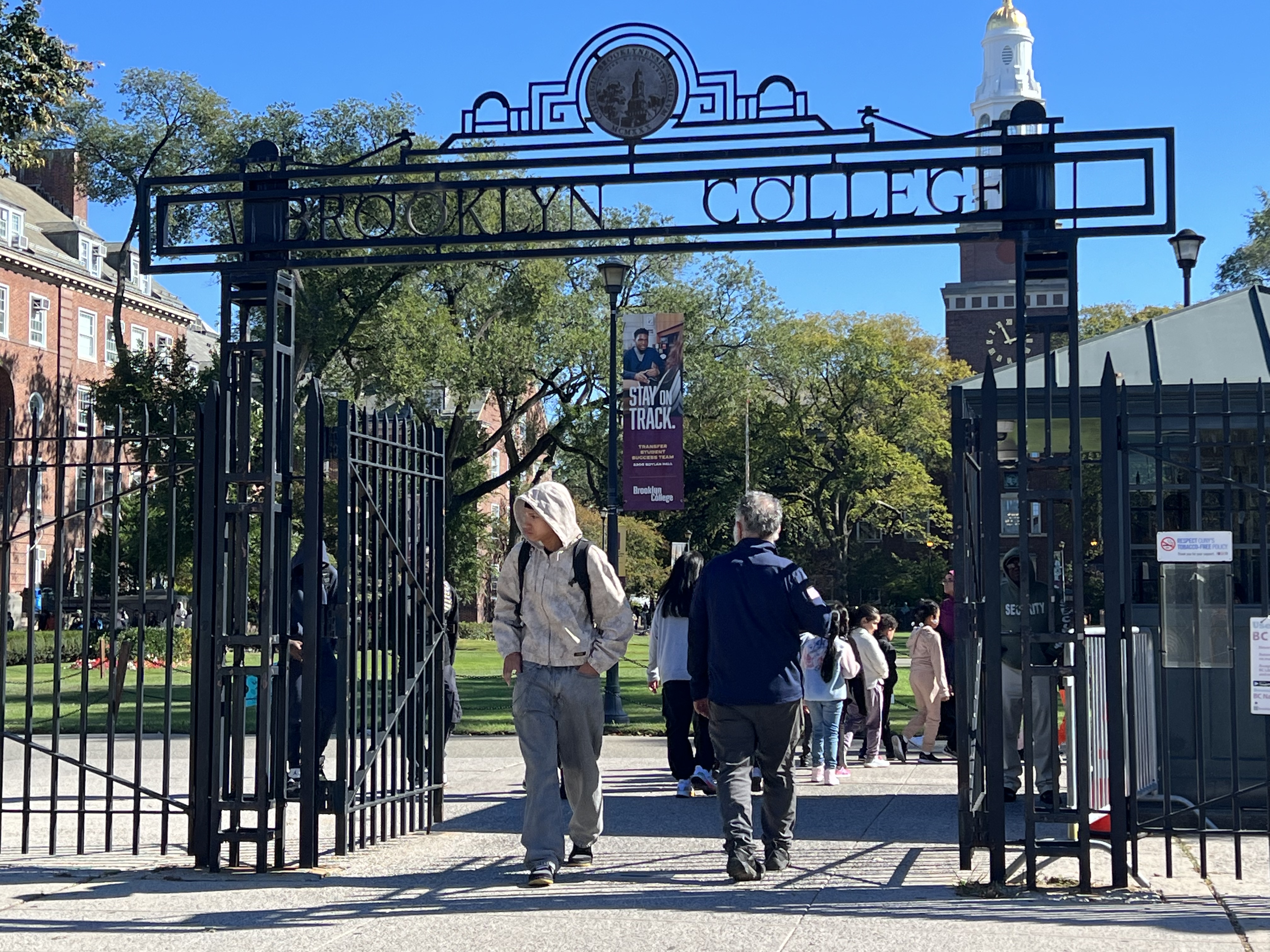
New York’s public university system, CUNY, will see a windfall of $7 billion from the city’s Economic Development Corporation, aiming to kit out campuses—like Brooklyn College—for the coming “green jobs” boom. The plan, timed with Earth Day, targets 5,900 students annually for training in fields from clean energy to urban resilience. It seems climate change might at last be good for someone’s career prospects.
New York City in brief
Top five stories in the five boroughs today
New York has sued the U.S. Department of Transportation for freezing nearly $74 million in highway funds after the state refused to revoke 33,000-plus commercial licenses granted to immigrants—many issued for visa periods inexplicably longer than those on file. California lost $200 million in similar wrangling, but officials in Albany insist their paperwork is shipshape; the feds, it seems, beg to disagree—so the legal wheels keep spinning.
American banks are increasingly holding customer funds for up to five days, citing digital fraud concerns and risk checks enforced under the cheery-sounding Expedited Funds Availability Act. While the funds appear in accounts, they often remain untouchable—particularly when the sums are large, origins unknown, or owners new. We can mitigate delays with predictable transfers and polite warnings, but the cash-lite future continues to test both patience and overdraft limits.
Governor Kathy Hochul’s push to scrap New York’s “90/180” serious injury standard in auto insurance law—a lifeline for those, like one single father, whose post-crash pain surfaced over time—promises “affordability,” though largely for insurers, who already deny nearly half of liability claims according to Weiss Ratings. As usual, meaningful debate risks getting rear-ended by budgetary fine print rather than faced head-on in Albany.
With living costs climbing faster than a thermometer in July, we note that generic medicines—making up over 90% of U.S. prescriptions—quietly save patients and the healthcare system hundreds of billions each year, per the Association for Accessible Medicines. While some adverts peddle compounded imitators, properly vetted generics deliver the same punch as their pricey brand-name siblings—though the real miracle, perhaps, is keeping those shelves stocked.