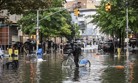
New York City’s creaking sewers faced a deluge as extreme storms twice flooded Queens and Manhattan last autumn, swamping basements and, in tragic measure, claiming two lives. Despite 11,000 nascent rain gardens and some “cloudburst” schemes, torrential downpours now outpace our defences. The Rain Ready New York Act edges toward clarity—explicitly including stormwater in state law—though legislative paperwork seldom keeps anyone’s feet dry.
New York City in brief
Top five stories in the five boroughs today
New York’s annual budget remains hamstrung, chiefly thanks to Governor Kathy Hochul’s proposal to water down the state’s ambitious 2019 climate law, the Climate Leadership and Community Protection Act. Lawmakers and advocates argue this “reverse gear” could hike energy bills and sideline communities from the Bronx to Harlem, all while the state’s thermometer—and tempers—show little sign of cooling, regardless of budgetary forecasts.
Upstate New York is courting nuclear power—with Governor Kathy Hochul chasing 5 gigawatts for electricity-hungry data centers—while the city remains wedded, rather expensively, to gas and oil. Since Indian Point’s shutdown in 2021, Gotham’s grid is 90% fossil-fueled; wind and Canadian imports can fill only part of the yawning gap. Meanwhile, eight rural towns vie for reactors, but New York City sulks with candles at the ready.
Mayor Zohran Mamdani unveiled a five-year “NYCHA 2026” plan to revamp New York City's public housing with a greener touch: 150 EV charging stations, 10,000 induction cooktops, and $38.4 million for heat pumps are on the docket, aiming for 20,000 cleaner, cheaper-to-run apartments by 2031. If New Yorkers can find a parking spot and plug in, we’re all for it.
Marking Earth Day with fanfare at Woodside Houses, Mayor Zohran Mamdani and NYCHA officials sketched out a 2026 sustainability agenda: 10,000 induction stoves, 150 electric-vehicle chargers, and upgrades for 65,000 apartments, including heat pumps and energy-saving lights. The city touts $38.4 million in green-tech, job training for 1,300 residents, and trash reforms—finally, heat complaints may be swapped for rivals like fridge envy.