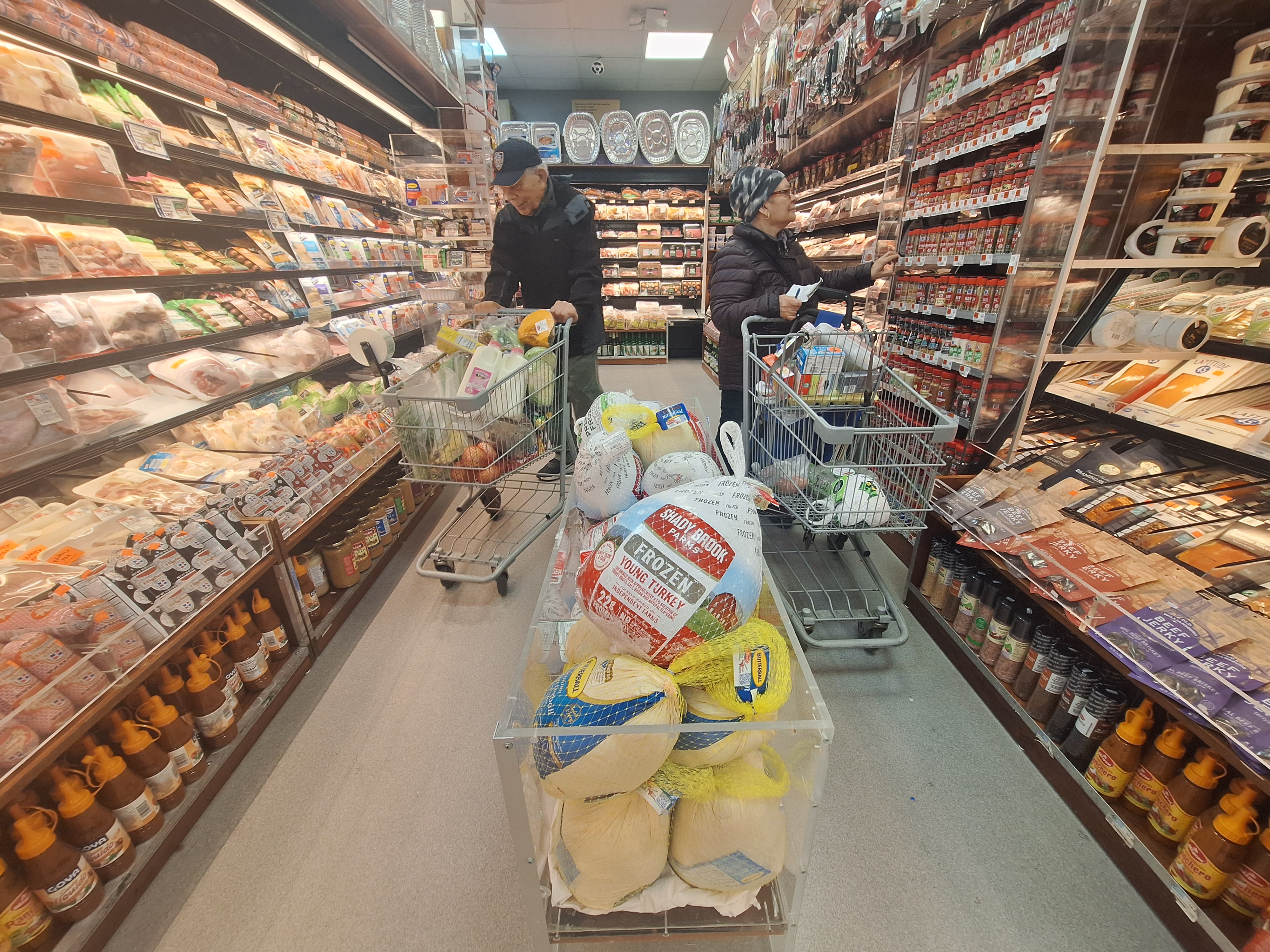
A report from the New York City Comptroller finds the Big Apple’s working class faces America’s steepest inflation, with food prices up over 56% in a decade—outpacing the national average. Recent surveys say 67% of residents, especially Hispanics and African-Americans, now juggle groceries against rent or transit, while many rack up credit card debt just to eat. Apparently, fine dining’s new name is “minimum payment due.”
New York City in brief
Top five stories in the five boroughs today
A fresh analysis from the Urban Institute finds the Trump administration’s halt on new federal rail funding has left U.S. cities wandering the global transit wilderness—a striking tumble as state and local support dropped from $16 billion to just $7 billion since 2021. We are told the “builder president” prefers highways, leaving American rail to ponder whether standing still is just a new way of going backwards.
As New York City’s median rent climbs 21% faster than incomes, stalwarts like Juan Dela Cruz’s Lower East Side bodega are squeezed by $11,000 monthly rents and vanishing customers. With storefront vacancy hitting 11.4% citywide—double 2004’s rate—lawmakers hawk commercial rent control, though real estate barons snort at interference. For small businesses, the “city that never sleeps” increasingly means insomnia for all the wrong reasons.
New York’s comptroller, Mark Levine, has cast a chill over Mayor Zohran Mamdani’s $127bn budget plans, cautioning that City Hall’s buoyant revenue projections and tax hike gambits may leave Gotham with a $6.5bn gap next year—worse than Mamdani’s own figures. Political resistance in both Albany and City Council leaves precious few options; as ever, mayors seem to save the real fixes for the encore.
As Mayor Zohran Mamdani’s team skipped New York City Council hearings on his hefty $127 billion budget—the first such no-show in decades—City Comptroller Mark Levine and others sharpened their pencils, questioning the administration’s $5.4 billion deficit forecast and reluctance to trim ballooning social spending. Calls for Albany to tax the rich or face property tax hikes have met scepticism; apparently, some fiscal sums are best left unexplained, at least until after sundown.