World Cup 2026 Brings Eight Matches—and a Windfall for Latino-Owned Businesses in NYC
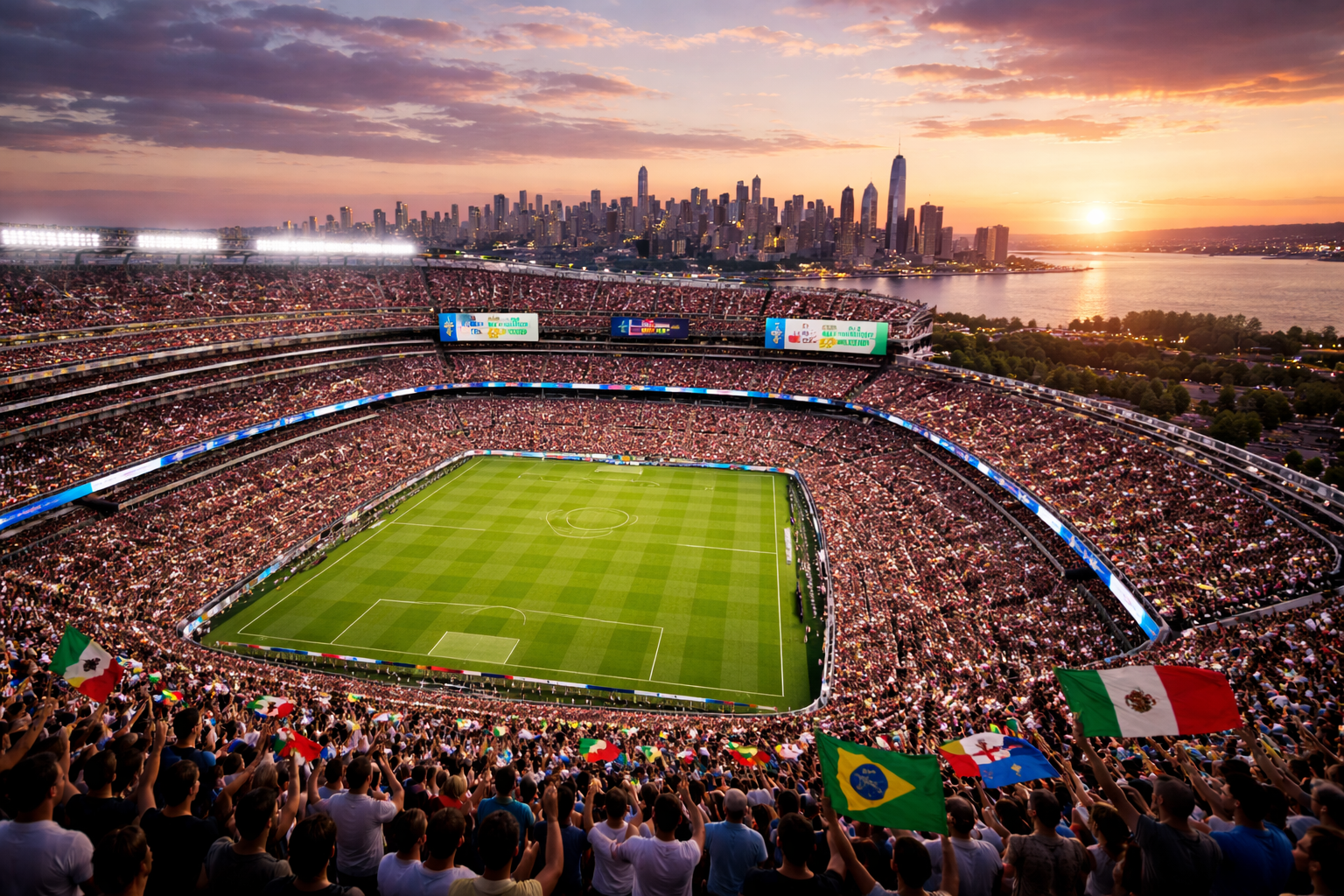
As the 2026 World Cup descends on New York, a wave of economic prospects—and logistical headaches—beckons the city’s diverse businesses, not least its formidable Latino sector.
On July 19th, 2026, the MetLife Stadium, a monolith of steel and concrete in East Rutherford, will host more than 80,000 roaring spectators for the World Cup Final—arguably the planet’s most-watched sporting spectacle. Over a feverish five weeks, eight matches will unfold here, filling the tri-state air with vuvuzelas and sending untold pulses of commerce through New York and New Jersey. For a city that takes pride in both its soaring ambition and its ethnic complexity, the tournament portends not just raucous celebration but an economic windfall—if local firms, and especially Latino entrepreneurs, can meet the moment.
FIFA’s expanded 2026 tournament, anchored in the United States with Mexico and Canada as co-hosts, will feature 48 teams and 104 matches, exceeding all previous iterations in both scale and duration. Outpacing even previous Super Bowls and WrestleManias, the eight MetLife games—including the grand finale—promise to funnel millions of international fans through the region. Officials parrot breathless projections: City boosters speak of billions in added economic activity, and local bars already scheme themed “watch parties,” dream of bustling terraces, and anticipate the thunder of registers ringing.
The impact on New York’s vast Latino community, which numbers over 2.5 million per the latest Census tally, may be especially acute. Restaurateurs—serving everything from Peruvian ceviche to Dominican mofongo—hope to ride a wave of gastronomic curiosity as tipsy tourists seek authenticity (and affordable sustenance) between matches. Such occasions, history shows, can ignite entrepreneurship: pop-up vendors, temporary merch stalls, and kitchen-sink tour operators all crowd into the fray, eager to extract their sliver of World Cup lucre.
This all sounds buoyant—at least on paper. City agencies, not naturally known for either fleetness or generosity, promise streamlined permit processes for food trucks and temporary venues. Yet the prospect of millions of visitors also portends surges in demand for guides fluent in Spanish, drivers skilled at escaping gridlock, and cleaners ready to wage war on post-party debris. Hotels anticipate occupancy rates nearing their pandemic-era nadirs, though at prices reminding guests that—in New York—scarcity is measured in dollars per minute.
For the city’s economy, which still bears the scars of COVID-19 and the slow return of tourists, the Cup bodes a rare reprieve. A single World Cup match can generate tens of millions in ticket and hospitality revenue, according to sports economists. Multiply that by eight. Yet the profits accrue unevenly: The largest payday likely awaits global sponsors, luxury hotels, and stadium concessionaires, not the neighborhood taco shop. City Hall must grapple with the perennial question—how much of this largesse trickles down to Main Street as opposed to vanishing into corporate ledgers?
Socially, the tournament will offer New Yorkers a global spectacle touching nearly every neighbourhood—especially those with large immigrant populations. World Cup fever infuses streets with camaraderie and occasional tribalism, as every bar becomes a surrogate homeland for supporters draped in tricolor or sky-blue. Yet past tournaments in host cities suggest both charm and challenge: jubilant crowds can quickly snarl subways, and security headaches lurk as an undercurrent. Local police and MTA officials now contemplate surge staffing while quietly seeking extra federal dollars to underwrite overtime.
Politically, the event could become a test case for the Adams administration—and its capacity to orchestrate, or at least not botch, the largest sports event in New York’s modern history. For all the upbeat rhetoric, the city remains notoriously allergic to coordination. Community leaders voice measured optimism that the city’s sizable Latino business sector will be both visible and viable, but express wariness about regulatory hoops and the risk of neighborhood displacement as short-term rentals surge.
Globally, New York’s World Cup moment will serve as a test of American organizational prowess, still under intense scrutiny after recent Olympic and World Cup bids faltered amid spiralling costs and local resistance. FIFA expects the U.S. to deliver teeming crowds, flawless broadcasting, and safe streets—all without the volatility or unpredictability that has dogged tournaments in less-developed locales. Local officials, meanwhile, look anxiously to recent hosts like Moscow and Doha, both of whom saw costs balloon and lasting benefits dissipate at the speed of a post-match crowd.
A global carnival with local stakes
Nonetheless, it is New York’s character—its near-inexhaustible tolerance for disruption, its flair for opportunism, and its cacophonous multiculturalism—that could turn the World Cup into a true “festival of nations.” No other city boasts quite the same density of football fanatics, polyglot restaurateurs, or entrepreneurs poised to sell you a mobile SIM alongside an empanada. If there is money to be made—and lost—the city will find out quickly.
Still, a note of scepticism is warranted. Prior World Cups offer cautionary tales: Local economies occasionally overestimate their capacity for windfall profits, while worries about congestion or gentrification are amply justified. The smart bet is that the tournament will, as with so many New York spectacles, reward nimble hustlers while leaving bystanders blinking at inflated Uber fares and booked-solid hotels.
Looking ahead, the greatest opportunities may lie less in FIFA’s largesse and more in the city’s own resourcefulness. The coming months will reveal if Latino-owned businesses—restaurants, guides, and shopkeepers—are able to marshal capital, secure permits, and coordinate marketing in time for the opening whistle. A city that once revelled in bidding for an Olympic Games never awarded to it may yet discover that sporting pageantry, properly managed, can deliver dividends both to global brands and neighbourhood bodegas.
New York is no stranger to world stages. If business and government can manage the World Cup with something like harmony, the city’s legendary grit may yet be rewarded with more than fleeting glory and a surfeit of empty beer cans. In the end, the 2026 World Cup may prove a litmus test not merely of organization or hospitality, but of New Yorkers’ perennial capacity to adapt and profit from the raucous tides of global spectacle. ■
Based on reporting from El Diario NY; additional analysis and context by Borough Brief.