Wall Street Slumps and Oil Climbs, Pressuring New Yorkers’ Nest Eggs Yet Again
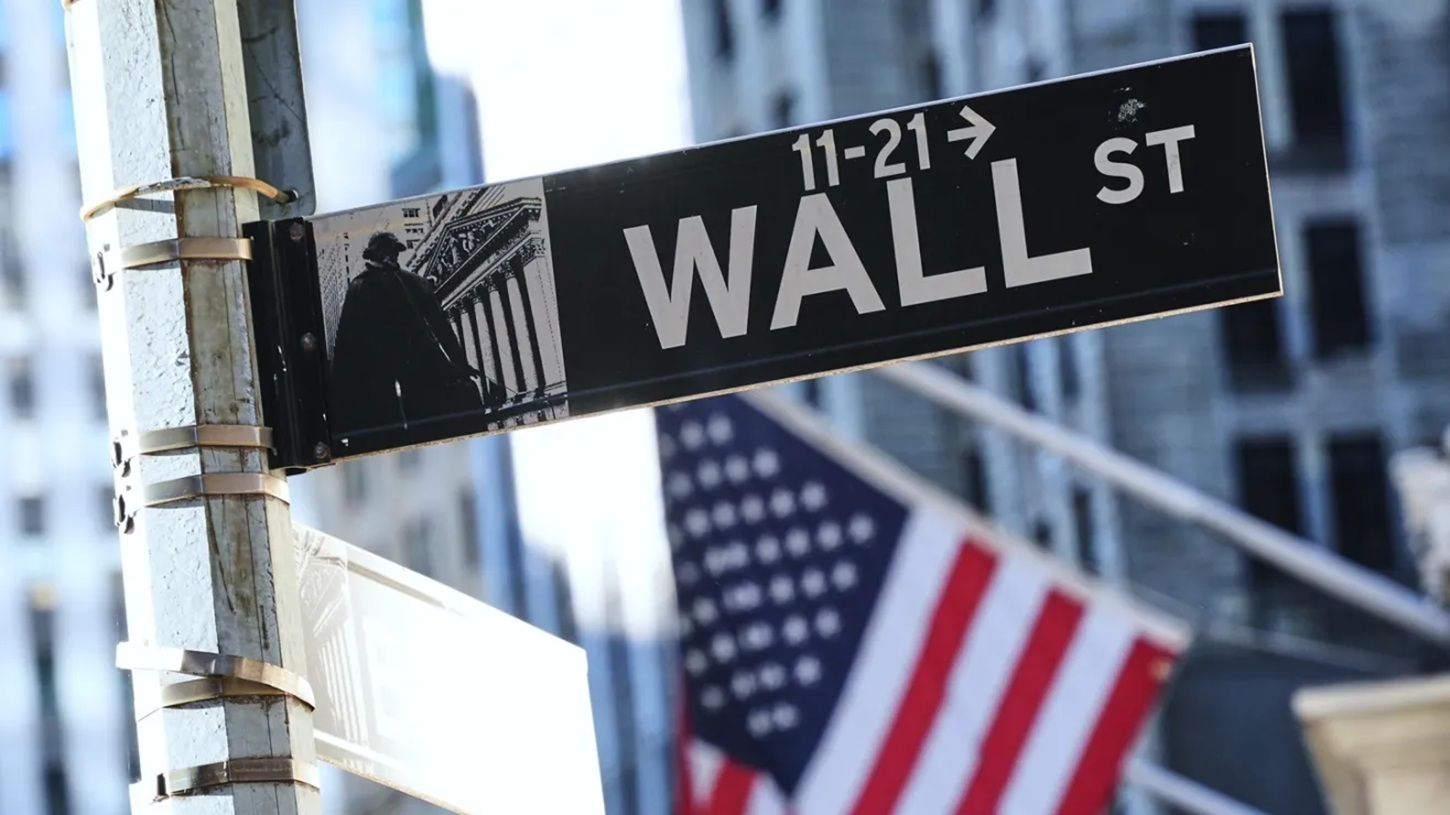
Fresh market turmoil and surging oil prices pose a double threat to New Yorkers’ nest eggs just as global uncertainty bites.
For residents of New York City, market turbulence is often a distant rumble—a spectacle played out on screens in the canyons of Wall Street and the news tickers in Midtown bars. But as the Dow Jones Industrial Average slides, shedding some 10% from its recent high, and oil soars by over 35% in a single month (to highs not seen in nearly a decade), the reverberations have become impossible to ignore. Volatility in the markets is now taking tangible form—eroding retirement accounts and gnawing at household budgets from the Bronx to Bay Ridge.
The catalyst is not outlandish: the war in Iran has sent crude prices rocketing upward as supply concerns multiply. Simultaneously, nervous investors have repriced risk across the board, hammering both the Dow and the broader S&P 500 amid geopolitical jitters. The effect? New Yorkers face not only smaller brokerage balances, but also higher prices at the tills and pumps. Even the most diversified portfolios find themselves in choppy waters when Wall Street stumbles and oil costs balloon in tandem.
At first glance, this all might seem the stuff of finance pages and talking heads. Yet for millions of Gothamites, the situation is uncomfortably personal. The city’s workers—many with 401(k)s or IRAs linked to equities—now see their savings trimmed markedly. Meanwhile, inflation shadows daily outlays. According to the International Energy Agency, the global petroleum market is still responding to “prolonged supply risk” sparked by conflict. Renters, homeowners, and business owners alike thus bear a double load: diminished financial assets and day-to-day expenses that, while never puny in New York, have just become less manageable.
The pain is not evenly distributed. For those approaching retirement—say, a subway conductor in Queens or a nurse in the Bronx—the timing is especially cruel, as years of thrift shrink in value at the very cusp of use. Financial analysts, typically paid to find the sunny side, admit that “corrections are normal; they simply sting far more when paired with persistent inflation.” So it goes for Hispanic families and other city communities whose economic security has already been undermined by years of climbing rents, costly groceries, and gasoline that seems always to edge upward. Now, any slender margin left in household budgets is buffeted by events thousands of miles away.
The fallout is wide-reaching. Beyond strained wallets, the city’s service economy—the legions of cab drivers, grocers, and small shopkeepers—finds itself pinched. Costs rise faster than most can pass them on, eroding the already slim returns that characterize corner store capitalism. For some, particularly newly minted entrepreneurs or those living paycheck to paycheck, the combined squeeze of capital losses and higher operating expenses threatens to upend long-cultivated stability.
So what is to be done? The standard reflex—to yank assets from volatile markets and stuff cash under the mattress—is, as ever, alluring but counterproductive. Advisers from Manhattan’s glass towers to Flushing’s family-run financial consultancies urge patience, not panic. Selling on a downswing converts a paper loss to a permanent one, a lesson repeatedly learned but too often forgotten. “Markets historically recover,” intone the pros, albeit without specifying when.
Much hinges, naturally, on whether this is a storm or a sea change. Economists and market strategists now debate whether the latest shocks portend a return to the higher inflation-and-rate world of the 1970s, or if they are mere aftershocks of a still-globalized economy reeling from supply chokepoints and sabre-rattling regimes. For New Yorkers—from Wall Street traders to Bronx bakers—the distinction is not academic. If elevated oil prices persist, the city’s mass transit systems (already stretched thin) face higher fuel and electricity costs, meanwhile restaurants and shops must either eat higher bills or pass them, in part, to patrons.
A recurring cycle, but with sharper edges
There is, as always, a national context. American families from Miami to Milwaukee are similarly watching markets slump and petroleum spike, rebalancing portfolios or stretching paychecks. Yet New York’s density and diversity bring unique challenges. Whereas in Houston or Los Angeles drivers and commuters may simply grumble at higher pump prices, New Yorkers (few of whom own cars) find costs curling in through the back door: baked into food delivery, taxi rides, or higher ConEd utility bills.
Globally, the story fits an all-too-familiar template. When war brews in key oil-producing regions, financial markets inevitably seize, and world cities—be they Shanghai, London, or New York—reel in turn. It is the paradox of urban finance in the 21st century: highly connected, generally prosperous, but uniquely vulnerable to the knock-on effects of geopolitics and commodities beyond their reach.
City and state officials, hardly blind to the discomfort, have so far offered platitudes rather than concrete relief. Rhetoric about “weathering temporary headwinds” may ring hollow to a Brooklyn family calculating how many more months they can absorb higher outlays before dipping into what little remains in the bank. For a city long used to economic reinvention, what bodes ill over the short term often presages resilience—but at real cost along the way.
Our own reading is soberly optimistic, if not buoyant. The resilience of New York’s labour market and the inexorable march of global capital suggest that neither a tepid Dow nor spiking energy prices will derail the city’s long-term ascent. Yet policymakers and employers alike would do well to acknowledge that for most households, belt-tightening is more than a figure of speech, and volatility is more than a headline. The cycles of market shock and recovery, once abstract, are now paid for at the corner bodega and seen in the fine print of the latest 401(k) statement.
The lesson, perennial yet newly urgent, is that for New Yorkers—and indeed for cosmopolitans everywhere—today’s global dramas too often arrive uninvited at tomorrow’s breakfast table. Prudence, not panic, may slow the pain; only adaptability will outlast it. ■
Based on reporting from El Diario NY; additional analysis and context by Borough Brief.