US Bombs Iran’s Kharg Island Military Targets, Spares Oil Terminal—For Now
America’s escalation in the Gulf reverberates far beyond oil markets, with implications set to wash ashore onto New York’s economic and social life.
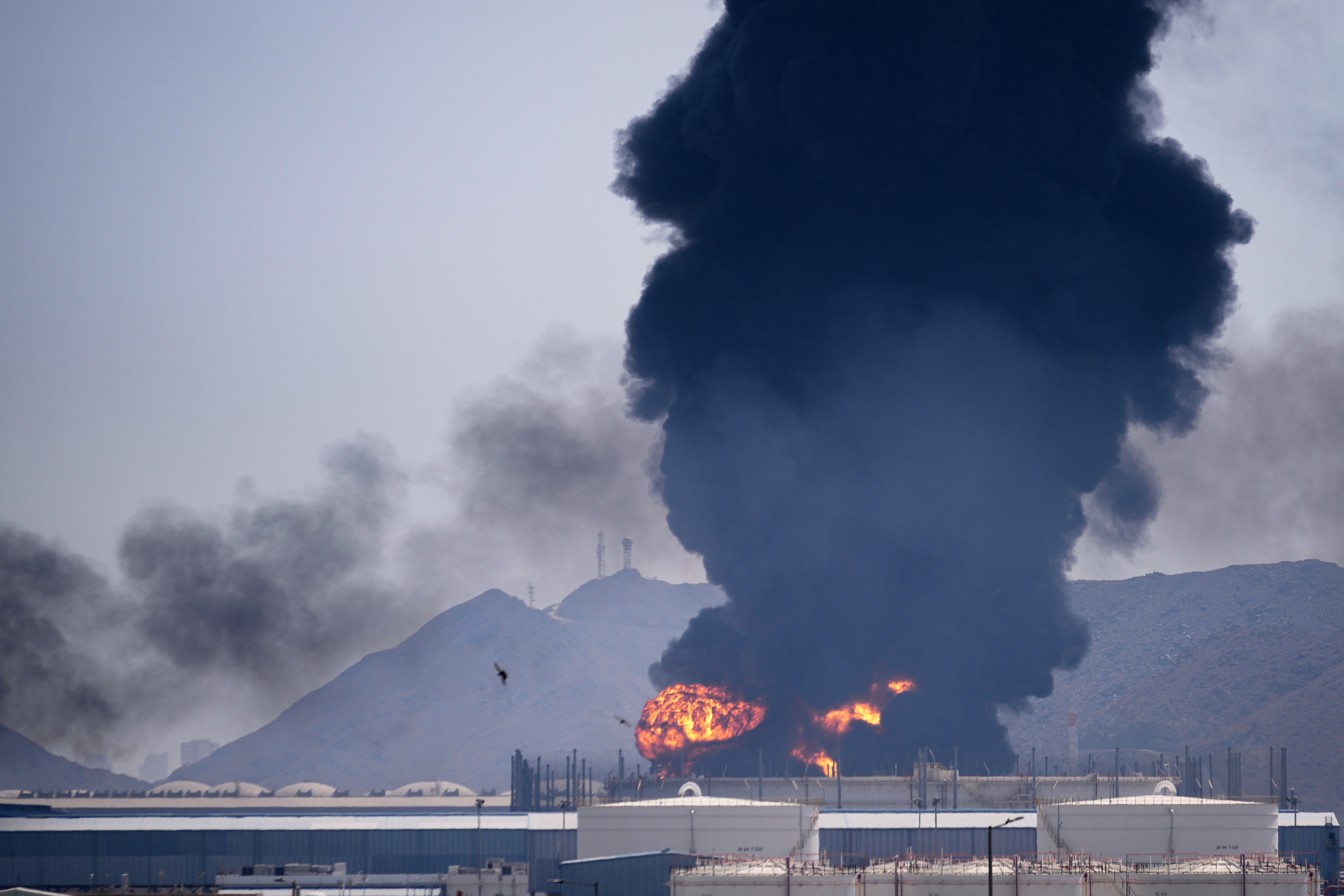
At 3am New York time, while most residents slept fitfully under the city’s muggy July skies, one of the world’s vital nodes of energy was set ablaze. The U.S. military, acting under President Donald Trump’s orders, reportedly leveled every military target on Iran’s Kharg Island in what was touted as among the most powerful bombardments in Middle Eastern history. The president, never known for underplaying his hand, insisted the strikes “annihilated” their targets without—in a supposedly measured act—obliterating the island’s sprawling oil terminals. For now.
Few in New York may be able to find Kharg on a map, but its fate is hardly remote. Roughly 90% of Iran’s oil exports, about 2.5 million barrels a day, flow through this tiny Persian Gulf outcrop before traversing the Strait of Hormuz and heading for thirsty markets from Rotterdam to Shanghai. President Trump’s open threat to reconsider sparing Kharg’s infrastructure, should Iran impede Gulf shipping, hangs over international oil markets like a Damoclean sword.
The effect on New York was immediate if indirect. Within hours of the assault, benchmark Brent crude surged $7—its sharpest single-day spike since early 2022—cranking up RBOB gasoline futures and whispering the threat of costlier commutes and pricier goods to New Yorkers already wearied by inflation. The city’s illustrious financial houses braced for volatility: Wall Street, always nervous about instability in oil-producing regions, hastily recalibrated trading models, while hedge funds scavenged for opportunities amid the tumult.
Beyond the ticker tape and fill-up stations, the ramifications are poised to reach farther into New Yorkers’ lives. New York’s 8.3 million denizens are notoriously dependent on imported energy. About a quarter of the city’s fuel ultimately traces back to global supply routes that snake through geopolitical minefields like the Gulf. Spikes in crude prices inevitably portend higher utility bills for residents, strained city budgeting for transit and public housing, and eroded discretionary spending—neither bode well for an urban economy inching toward recovery.
As ever, the city’s taxi and delivery sectors—those perennial weather vanes for cost-of-living pressures—feel the pinch soonest. Rideshare operators, already navigating puny margins, reckon with the immediate prospect of pricier fill-ups. A $10 weekly increase per vehicle for a 15,000-car Uber fleet quickly adds up to a tepid, median household’s monthly rent. This pain radiates: grocers, restaurateurs, and logistics firms will pass costs up and down the supply chain, deepening New York’s unease over steady inflation.
Such abrupt U.S. sabre-rattling was, until recently, rare. The decision to strike but not flatten Kharg’s oil terminals appears to mark a sharp tactical escalation, doubling as a signal. Mr Trump’s warning—that American forbearance has limits if Iran dares interdict shipping—ratchets up pressure on Tehran, even as analysts debate whether restraint or overreach will define the next moves. In policy circles both in Washington and Albany, questions mount about the predictability of U.S. power projection and the risks seeded for global commerce.
The context is delicate. Historically, American leaders have largely refrained from targeting Kharg (and analogous nodes) for fear of triggering irreparable economic backlash: the 1979 oil crisis and 1990 Gulf War etched hard lessons about the vulnerability of interconnected energy systems. The choice to strike so publicly departs from that doctrine, as if daring markets—and adversaries—to test American resolve amid a still-uneven global recovery.
Notably, New York is not insulated from geopolitics, for all its self-image as the capital of the world. The city is home to United Nations headquarters, where diplomats will denounce or justify the attack in almost equal measure. Political reverberations will ripple from immigrant communities—Iranians among them—who watch news from home with a mix of dread and defiance, to municipal leaders now forced to consider both the humanitarian and economic consequences of a larger conflagration.
Ripple effects and risk appetites: A city on economic guard
The timing is as inopportune as possible. The city, settling uneasily into life after pandemic disruption, faces budgetary gaps, persistent food insecurity, and transportation upgrades in limbo. Oil shock-induced inflation could wound city finances anew, forcing Mayor Eric Adams’s administration into unwelcome choices about subway expansions, school funding, or support for the vulnerable. Public-employee unions will doubtless take note when cost-of-living bargaining resumes.
Nor is New York alone in this predicament. Across Western capitals, from London to Berlin, policymakers awake to the high-wire act of containing Iran—and oil prices—while shoring up consumer confidence. European energy prices, already jumpy post-Ukraine, are apt to bounce higher if Kharg’s commercial facilities are hit or supply remains at risk. Asia’s emerging giants, chronically thirsty for oil, face their own headaches. The global choreography of risk may rehearse some familiar ballet, but the music intensifies.
What does this portend for America’s most emblematic metropolis? There is wry irony in New York’s dependence on energy flows from halfway across the planet, even as climate-minded residents urge a faster transition to renewables. The market’s cold logic, unforgiving and global, once again upstages domestic policy debates. Little suggests, however, that a meaningful decoupling from foreign oil lies immediately ahead: the city’s vast demands and paltry local production bind it to whatever happens in Hormuz.
Still, opportunities occasionally accompany uncertainty. New York’s financial community, nimble and pragmatic, has a history of profiting from global market dislocations, for better and for worse. If risk becomes routinized, one might expect renewed vigor in energy hedging, speculative bets, and—inevitably—new regulation or scrutiny from Albany and Washington. Whether such financial engineering buffers or amplifies pain on Main Street remains an open question.
For now, New Yorkers must reckon with an uncomfortable truth: the forces that shape their rent, subway fares, and grocery bills may originate in distant deserts, far beyond the city’s fabled control. As American power tests its limits abroad, New York’s daily routines, wallets, and political priorities dangle, once more, on the shifting tides of geopolitics. ■
Based on reporting from El Diario NY; additional analysis and context by Borough Brief.