Trump Weighs NATO Exit With Rutte as New Yorkers Eye Alliance Divide
Donald Trump’s open questioning of NATO’s value signals profound uncertainties for New York City, whose security and global standing rest partially on transatlantic alliances.
The corridors of Manhattan’s United Nations headquarters may seem far from the political intrigues of Washington. But the city has seldom been so proximate, in spirit if not in miles, to geopolitical tremors. On April 8th, President Donald Trump met Mark Rutte, secretary general of NATO, in the Oval Office, with the topic du jour nothing less than a possible American withdrawal from the world’s pre-eminent military alliance. For New York, a city forged by migration and international finance, these musings are more than Beltway theatre—they threaten a pillar of its cosmopolitan security.
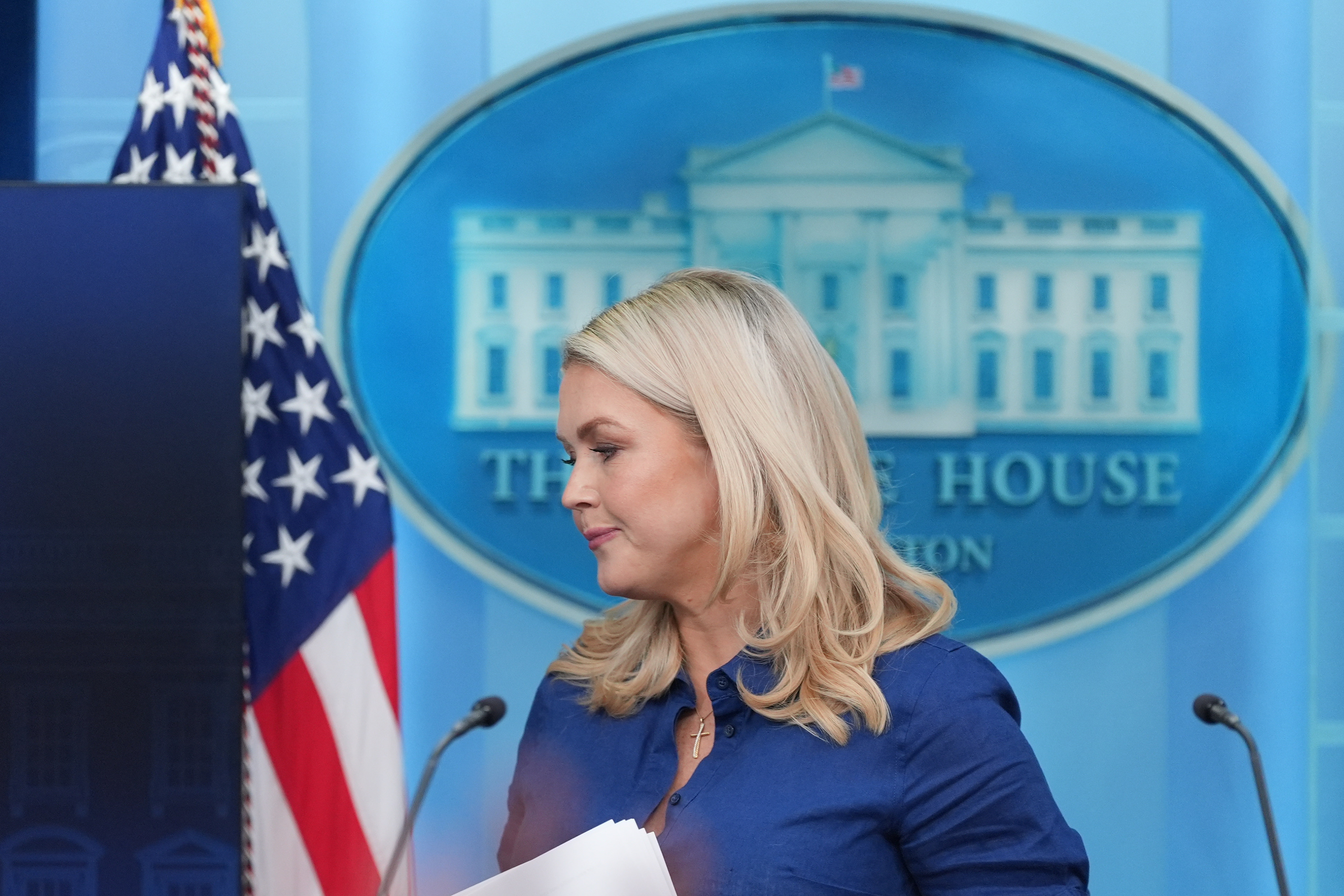
The White House made plain that Mr Trump would raise the prospect directly. His press secretary, Karoline Leavitt, previewed the conversation for reporters, reiterating the president’s view that alliance members were “put to the test and failed” during recent strife over the Strait of Hormuz, and had failed to “adequately back” the United States. Statements after the meeting were expected the same day, heightening suspense.
Mr Trump has warmed this old chestnut before. In recent months, he has dialled up criticism of NATO, casting it as an outdated burden, rather than a mutual insurance policy formed in the ashes of world war. The proximate grievance this time is European reticence to assist the US in protecting vital oil lanes from Iranian interference. But the critique has grown less transactional and more existential: does America really need NATO at all?
For New York, the stakes are immediate. The city is not merely home to skyscrapers and staged musicals but to the UN, innumerable consulates, and outposts of global commerce. A retreat from NATO would chill the city’s aura as a safe haven, reducing its allure for diplomats, investors, and security agencies who reap comfort from American commitments abroad. There is a certain irony in the notion: the global capital, so self-assured, depends profoundly on the faith others place in American constancy.
Wider still are the social undercurrents. Gotham’s population, studded with transatlantic professionals and immigrant communities, may feel the chill in private as well as public life. The spectre of “America First” filtered through Midtown has little resonance among the hundreds of thousands with family and memories sprinkled across European capitals. Nor would a diminished NATO, or diminished US backing, bode well for coordinated efforts against threats that do not respect borders—cyberattacks, terrorism, or pandemics.
The economic portents are equally sobering. Wall Street’s appetite for risk is sated, in part, by the stable security arrangements of the Pax Americana. Doubts about US reliability in global defence treaties can ripple into foreign investment flows, city contracts, and even insurance premiums. The quixotic notion that the New York Stock Exchange could hum along serenely as old alliances crumble seems, to us, wishful thinking.
Of course, New York’s politicians have been swift to point out the tepid support for withdrawal among the American public at large. Pew Research’s latest survey finds 59% believe the US benefits from NATO; the gulf between the 82% of Democrats (and Democratic-leaning independents) and the 38% of Republicans who support the alliance could scarcely be wider. The chasm underscores that Mr Trump’s instincts, while loud, are not universally held.
The polls reveal another split: confidence in Mr Trump’s judgment on NATO is puny, with only 37% trusting his stewardship—and, as ever, the verdict breaks along party lines. The city’s own electeds, most of them Democrats, lose no opportunity to draw attention to this skepticism, framing it in letters and press conferences as a point of local—even urban—pride.
Europe dawdles, America calculates
Yet context matters. The president’s frustration is not entirely groundless. In per capita terms, only a handful of European states meet commitments to spend 2% of GDP on defence. Others free-ride or dither, a fact that irritates American policymakers across the aisle. Calls, then, for greater transatlantic “burden-sharing” land with some justification—though the logic of abrogation is rather less compelling.
Compared with other NATO cities—London, Berlin, Brussels—New York’s exposure is unusually acute, both as a symbolic target and nerve centre of global power. The city thrives on the perception that Pax Americana remains intact. Discussions of withdrawal, even if mostly rhetorical, prompt foreign diplomats and multinationals to review their own contingency plans.
Globally, Mr Trump’s stance finds echoes and anxieties. The British prime minister has dismissed the logic of leaving the alliance, while officials elsewhere in Europe and Asia wonder aloud how much faith to place in US security guarantees. For Moscow, Beijing, and Tehran, the prospect of a fissiparous NATO is a boon; for cities like New York, it portends extra vigilance.
The deeper lesson may be an unpalatable one: America’s global partners, and internationalist polities such as New York, must reckon with a future where alliances cannot be taken for granted. The cumbersome apparatus of collective security is always easier to criticise than to replace.
In our view, New York’s status as a “capital of the world” is underpinned not just by financial heft or cultural glamour, but by the silent architecture of trust built over decades. A hasty withdrawal from NATO would not merely be felt in Brussels or Berlin, but in the daily rhythms of Brooklyn, the Bronx, and beyond. The costs of security are easier to count than the costs of insecurity.
As the world watches the Oval Office—and by extension, the offices and boardrooms of New York—one truth remains: alliances fray slowly, until suddenly they do not. Policymakers would do well to remember how quickly the unthinkable can become the new normal, especially in a city that prizes its unpredictability above almost all else. ■
Based on reporting from El Diario NY; additional analysis and context by Borough Brief.