Trump Sets 48-Hour Deadline for Iran on Strait of Hormuz, Oil Markets Hold Breath
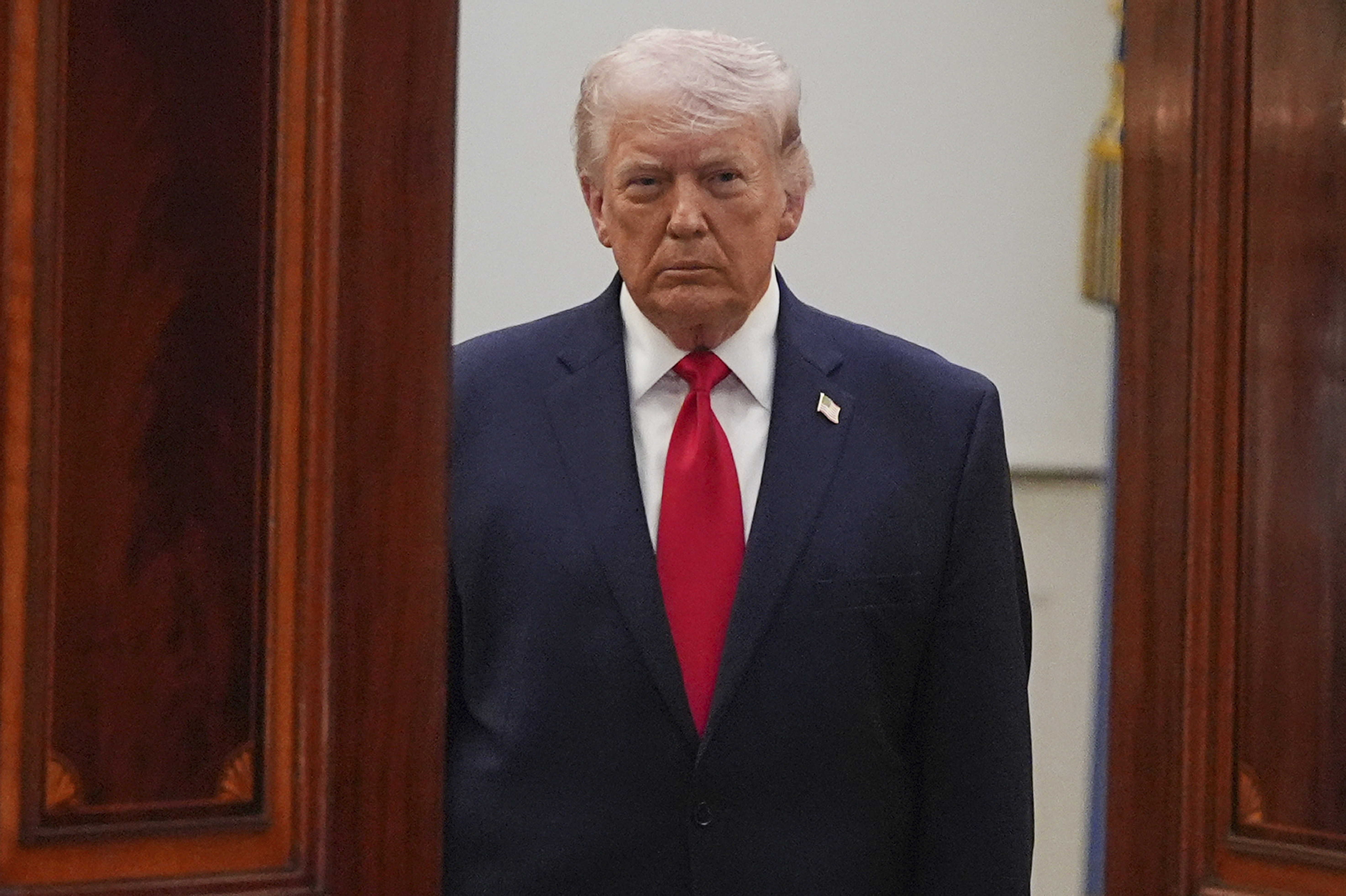
Donald Trump’s new deadline on Iran’s energy plants raises the stakes for New York’s diverse communities and the broader global economy.
At midday on a blustery April Saturday, the screens running above Wall Street’s trading floor flickered with a message both ominous and oddly familiar: President Donald Trump had issued a 48-hour ultimatum to Iran, threatening strikes on its power plants unless the Islamic Republic agreed to reopen the Strait of Hormuz. In New York, a city both fuelled by global trade and shaped by the geopolitics of faraway lands, such news was met with a blend of concern, calculation and not a little weariness.
The ultimatum, delivered via Mr Trump’s preferred megaphone, Truth Social, is characteristically blustering. “The time is up,” he declared, before urging Iran to cease its blockade of the Strait or face “hell” unleashed on its energy infrastructure. The deadline, due at 8pm Washington time on April 6th, follows weeks of tension since the waterway—vital to a fifth of the world’s oil supply—was shuttered in late February, a move provoked by ongoing regional conflict and American-Israeli airstrikes.
The threat is not idle. The closure of Hormuz has already sent shivers down oil markets, with prices bounding upward as traders fret over supply. For New Yorkers, the prospect of military action in the Gulf bodes ill for gasoline prices—never a minor concern in a region where the cost of living continues to gallop ahead of wages. The city, ever supplicant to global energy flows, knows that distant sabre-rattling can quickly translate to pricier subway rides, costlier Ubers, and surlier taxi drivers.
Yet the impact goes beyond fuel pumps. New York’s standing as the world’s second-largest home to Iranian-Americans has made the city a focal point of community response—and anxiety. As in previous upsurges between Washington and Tehran, Iranian expatriates have voiced fears for relatives and friends who stand at the literal and figurative front lines, while business leaders fret at looming sanctions, supply disruptions, and fresh political blowback. For a metropolis that prides itself on welcoming the world, international showdowns introduce uncertainties rarely captured in GDP statistics.
Economically, the implications are sobering. New York’s finance sector is disproportionately sensitive to oil shocks. The closure of Hormuz has already prompted spiky volatility—Brent crude notched a $10 leap since the conflict erupted, briefly cresting above $100 a barrel. Equity markets, by contrast, have wobbled. Bankers wonder whether a concerted strike on Iranian infrastructure, even if “tough” (to borrow Mr Trump’s term), risks a wider conflagration that could shrivel global growth or provoke retaliatory cyber-attacks.
Politically, the city’s leaders, from Mayor Jeffrey Baker to Representatives like Grace Meng and Jerry Nadler, have tiptoed around the issue—urging de-escalation but offering little by way of concrete policy. The White House, true to form, has signalled both steely resolve and strategic ambiguity. Mr Trump’s Friday note, flirting with the lure of “a fortune” to be amassed from securing Hormuz, sowed confusion even as it courted the city’s business-minded class.
The second-order consequences are creeping into street-level life. Taxi medallion holders, many of whom rely on diesel and gasoline, have warned of pass-through fare hikes should oil remain dear. Grocery suppliers, already grappling with delayed shipments from the Port of Newark, have whispered of costlier produce and tighter margins. A surge in energy costs reverberates through the city’s vast service sector, where every penny from air-conditioning units to espresso machines feels the pinch.
The ripples may travel farther than New York’s five boroughs
Internationally, the world has seen such brinkmanship before—though rarely with this precise configuration of actors and stakes. The Strait of Hormuz has long been an economic Achilles’ heel, tempting both local powers and would-be hegemons. Previous flare-ups—in 2012 and 2019—prompted market spasms, but Washington’s rhetoric now appears sharper, arguably untethered from a cohesive strategy. As for comparisons, even Moscow’s disruptions in the Black Sea pale before the global importance of Hormuz, through which a gulp of every ten barrels of oil is shipped.
Other world cities, from London to Tokyo, discreetly prepare for energy turmoil. Asian economies, heavily reliant on Gulf crude, monitor the countdown with an eye to stockpiling. From Europe’s perspective, Trumpist diplomacy presages a return to transactional geopolitics. This portends uncertain times for New York firms entangled in global supply chains and reliant on a stable, rules-based order.
Yet, for all the chest-thumping and brinkmanship, it is unclear what the White House expects from Tehran beyond a humiliating climb-down. New Yorkers—jaded by years of international ructions—are no strangers to market shocks, yet their appetite for unpredictable, open-ended military action remains as tiny as ever. If the administration’s move is designed to jolt Iran back to the table, it does so at a cost possibly outweighing any “gold mine” Mr Trump envisions.
Thus, the city waits. Taxi drivers hope for calm; small businesses nurse their slender margins; diplomats shuffle between downtown offices. In a metropolis no stranger to turmoil, the hope is that this crisis can be managed with minimal rancour and maximum common sense.
Whether that hope is justified will become clear soon enough. Until then, New Yorkers, like so much of the world, will be watching—warily, but with a sceptical optimism that, for now, remains a currency more stable than oil futures. ■
Based on reporting from El Diario NY; additional analysis and context by Borough Brief.