Trump’s Proposed 10 Percent Import Tariff May Cost US Households $2,500 a Year
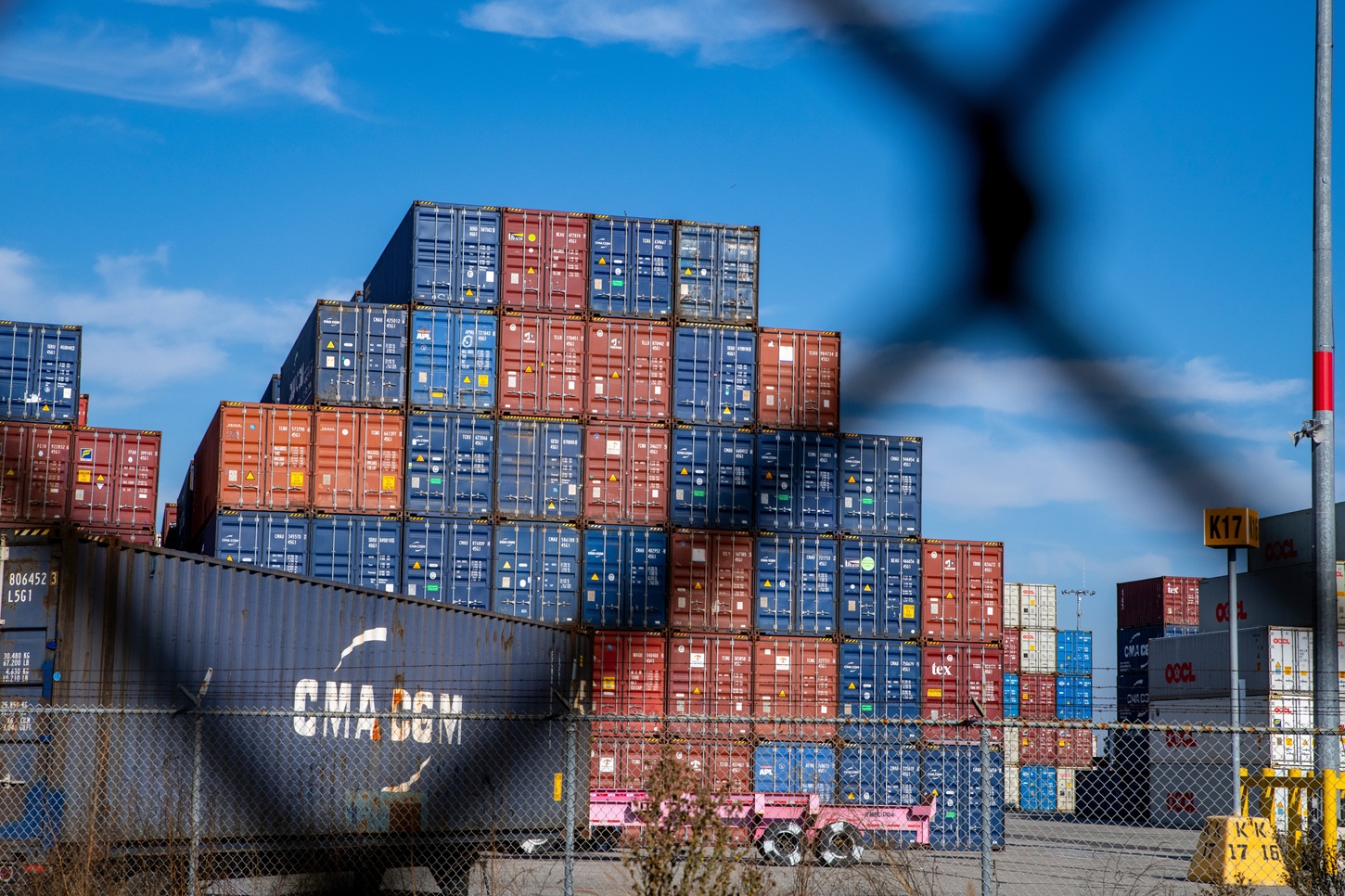
Proposed tariffs on imports threaten to ratchet up the cost of living for New Yorkers, challenging both household budgets and the city’s economic engine.
Few phrases unnerve New York’s merchants and householders more than “across-the-board tariff.” When Donald Trump, now vying again for the presidency, announced plans to impose a 10% tariff on all imports, economic forecasters dusted off their most worried lexicons. The Peterson Institute for International Economics promptly estimated that the measure would cost the average American household up to $2,500 per year. For a city whose identity is forged in the crucible of global trade, such a policy bodes ill.
The new tariff proposal, set to take effect in February 2026 if implemented, is not without judicial controversy. The Supreme Court squelched Mr. Trump’s earlier sweeping tariffs, ruling that he overstepped presidential authority in the absence of Congressional blessing. Unfazed, Mr. Trump has retooled, this time invoking Section 122 of the Trade Act of 1974, which permits temporary tariffs—albeit only for a 150-day window—without the immediate nod from Congress. Yet the underlying effect remains: higher prices at the register.
For millions of New Yorkers, these policy shifts risk becoming acutely personal. The combination of existing inflation jitters and the city’s legendary cost of living leaves little cushion for another hit—especially one hitting groceries, electronics, clothing, and the city’s much-loved imports. Tariffs, economists dryly note, function as a tax on American consumers. Manufacturers and retailers, faced with higher input costs, rarely opt to swallow such pain themselves.
The prospective consequences extend far beyond a mild uptick in receipts at Fairway or Flushing’s sidewalk stalls. New York is both a port and a portal. About a fifth of the city’s workforce finds employment in sectors directly tied to international trade or dependent on complex supply chains. Tariffs would ripple down the Hudson and through Brooklyn’s warehouses, raising the price not only of Korean televisions but of Manhattan apartments (which are often fitted with imported fixtures).
This, in turn, might dampen demand—for both goods and the less tangible enticements of New York life. Higher costs crimp not just consumer spending but also the city’s vaunted entrepreneurialism. Restaurateurs, garment makers, and tech startups all run on imported parts, foodstuffs, or components. Even American-made goods are rarely immune: input tariffs boost the price of domestic widgets built with Mexican steel or Taiwanese chips.
The ostensible aim of such tariff machinations is as old as Alexander Hamilton: to bolster local industry and shrink the trade deficit. Proponents cite “reshoring,” the alluring notion that foreign levies will reanimate shuttered factories in the Bronx or upstate. Yet the evidence here is less than robust. The last time broad tariffs took centre stage—from 2018 onwards—local manufacturing gains remained anemic, while overall consumer prices ticked upward. Meanwhile, trading partners often levy their own counter-tariffs, drawing New York’s exporters into the crossfire.
The city’s economic base showcases all the paradoxes of tariff politics. Official statistics reveal that more than 60% of goods entering the port of New York and New Jersey are components, not finished products. Tariffs on these essentials inflate prices across entire supply chains. Construction firms building new towers in Hudson Yards, for example, depend on imported glass and steel; their costs, and ultimately the rents their tenants pay, inch ever higher.
Tariffs in a city built on trade: local politics and national tremors
Politically, tariff talk lands differently in the five boroughs than in the rest of America. New York’s elected officials, Democrats and moderate Republicans alike, have long recited paeans to free trade. The city’s business lobbies—from the Real Estate Board to the Hotel Association—tend toward nervous fidgeting when protectionism takes hold in Washington. The possibility of a city-wide drag on consumption, jobs, and tax revenue is hardly a vote-winner, especially when rival global cities court the same investors and tourists.
The impact on inequality looms especially large. New York’s lower-middle-income families, already grappling with soaring housing and utility bills, spend a greater share of their paychecks on imported necessities: children’s clothing, electronics, or staple foods. Wealthier New Yorkers may consider a $2,500 annual surcharge a nuisance. For the rest, it spells sharper choices and shrinking discretionary spending.
Wider afield, New York’s experience is an instructive microcosm for the national predicament. America remains both importer and exporter, its cities and towns differently exposed by local industry, geography, and politics. Tariff wars, as global history repeatedly reminds, seldom end quickly, and almost never leave the instigator unscathed. Beijing, Berlin, and Brasília all have their own levers to pull, seldom to the benefit of exporters who must hustle for market share.
The world’s other great trading cities—London, Singapore, Hong Kong—have weathered tariff squalls before. Their lesson: nimbleness, rather than insularity, commonly paves the path to prosperity. Protectionist gusts may stir patriotic feeling, but often at the cost of competitiveness and innovation. New York, whose culinary and creative treasures would wither without inbound flows of talent, capital, and goods, risks contraction if the country retreats behind tariff walls.
For all the political drama, the fundamentals remain soberingly non-partisan. While the sparring over trade is Washington’s sport, its impact is measured in Harlem bodegas, Staten Island import yards, and Queens tech labs. Linking national strategy to local realities—a forgotten art—will become ever more crucial as import costs edge upwards and trade partners retaliate.
On balance, we reckon that tariffs make for better campaign rhetoric than sensible economic policy, at least in a place as networked and import-dependent as New York. Raising the cost of living for millions, for paltry gain in manufacturing jobs or reduced deficits, seems—at best—a questionable wager. Policymakers would do well to remember that in the city that never sleeps, price increases seldom go unnoticed for long.
New York’s resilience derives from its embrace of global flows, not from walls at its borders. Tariff tempests may win applause in far-off districts, but in the city’s street-level reality, they portend only higher prices and mounting headaches. ■
Based on reporting from El Diario NY; additional analysis and context by Borough Brief.