Trump’s Iran Strike Drives Up Gas Prices, Election-Year Sticker Shock Hits All Five Boroughs
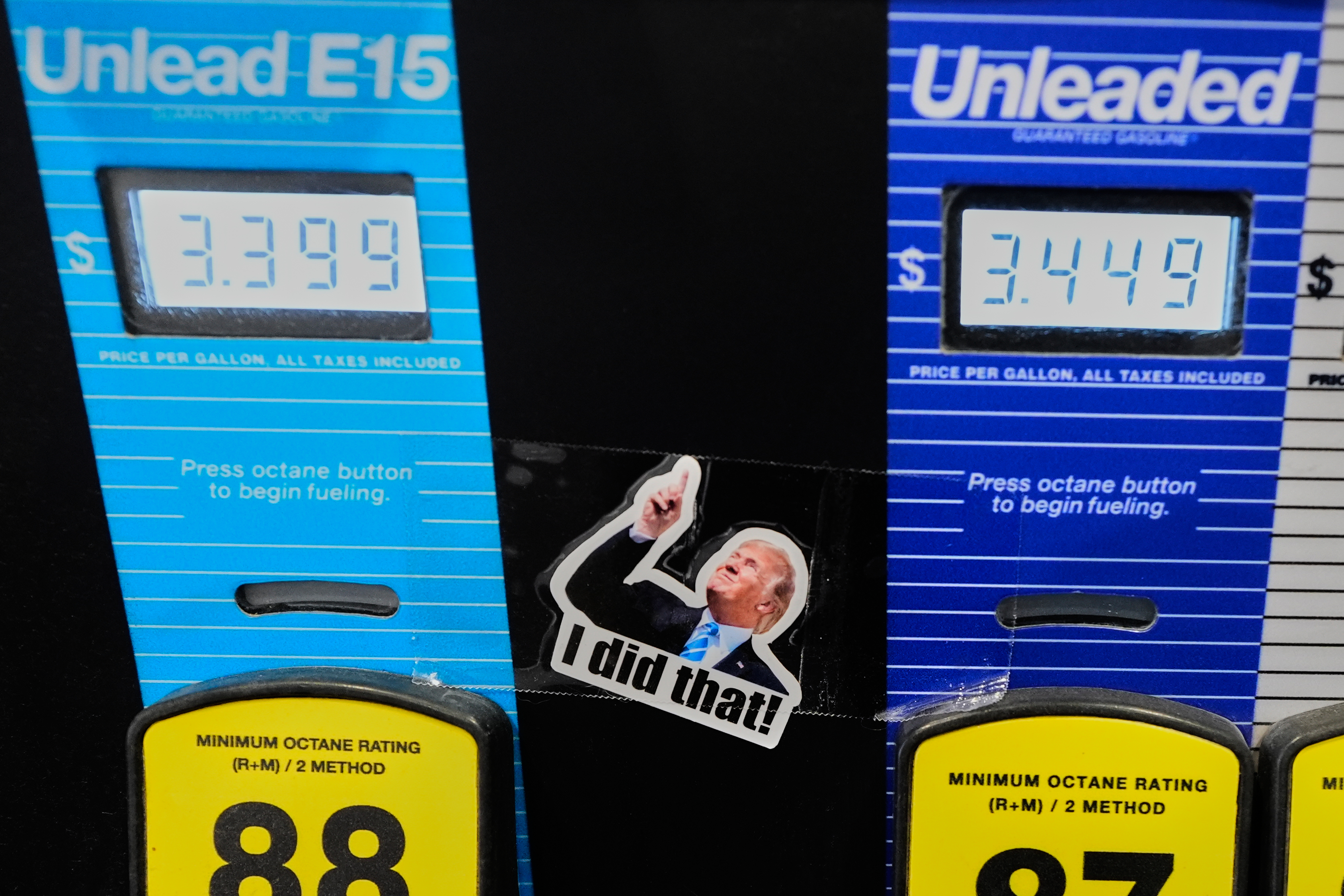
The rising economic toll of America’s latest military adventure is rippling through New York, portending headaches for politicians and households alike.
For many New Yorkers, pain at the pump once felt like a distant geopolitical abstraction. No longer. Over recent weeks, as gasoline prices have soared to a national average of $3.68 per gallon—a punishing 23.5% jump since President Donald Trump ordered missile strikes on Iran—drivers in the five boroughs have discovered an unwelcome new expense etched into daily budgets.
The escalation began a fortnight ago, when the president authorized American forces to strike key targets in Iran, triggering a cascade of global market turmoil. The impact has echoed far beyond the Strait of Hormuz—now partially closed, throttling the supply of one-fifth of the world’s oil—to the corner bodegas and Uber queues of New York. The conflict’s direct fiscal cost is daunting enough: in merely the first six days, the Pentagon expended over $11.3 billion, with unofficial estimates suggesting a two-month campaign could burn through as much as $95 billion if ground forces join the fray.
Political aftershocks are already rattling the United States, and New York especially. In just a few short months, Americans will head to the polls in the midterm elections, with control of Congress at stake and the possibility of a weakened Trump presidency. Gasoline stickers bearing the president’s likeness, once tongue-in-cheek on gas pumps, now serve as an inadvertent referendum on his foreign policy. Across party lines, the wisdom and timing of this muscular intervention are being openly questioned—even in what were recently safe Republican seats, according to the latest Marist and Siena College polling.
Fuel inflation is not the only unwelcome guest—New York’s broader economy is feeling the pinch. Energy price volatility has stoked inflationary fears, pulling up the cost of heating, transit, and groceries in a city where ‘affordability’ remains a chronic concern. The city’s working poor, never far from the precipice, now face higher living costs without appreciable wage growth to soften the blow. In February alone, 92,000 jobs disappeared from the economy nationwide—a figure that, while not specific to Gotham, reinforces worries about a stalling labour market as employers brace for further shocks.
If the direct economic impacts have proven bracing, the indirect effects on New York’s political calculus could be more profound. Despite an absence of tanks rumbling down Fifth Avenue, the city’s electorate feels the war’s tremors each time groceries are rung up or MetroCards are refilled. Progressive Democrats are leveraging the crisis to argue for a rapid transition away from fossil fuels, intensifying debates in the City Council over green investment and transit funding. Meanwhile, business leaders eye sagging consumer confidence and fret over the future of Manhattan’s once-buoyant retail sector.
The erratic consequences radiate well beyond energy bills. Wall Street, ever attuned to global instability, has responded with characteristic volatility: the S&P 500 wobbled then slumped in the week following the first missile strikes, before mounting a weak rebound. Pensions—vital to millions of public-sector workers—depend on buoyant markets, but persistent price shocks and uncertainty threaten to sap returns. Should the campaign drag on, municipal budgets may grow even more strained, making already-contentious battles over schools and transit yet more fractious.
From Manhattan to Muscat, ripple effects reach far
New York’s predicament puts America’s economic vulnerability on display. When the US flexes its military might, it is not only far-off adversaries who pay the price. The enduring importance of the Strait of Hormuz, through which nearly 20% of global oil flows daily, remains a sobering reminder that decoupling from world energy markets is largely a pipe dream. Even compared to Europe, whose gas and petrol prices are typically more exposed, American consumers have felt a surprisingly sharp sting; US oil production may be sturdy, but refinery infrastructure and logistics remain entangled in the global system.
No city revels in its cosmopolitan roots quite like New York, but global entanglement has downsides. As the world’s financial and cultural crossroads, the city stands exposed to disruptions in trade, commodity prices, and capital flows. During the Iraq War, New Yorkers weathered a comparable, if shorter-lived, bout of inflation and fiscal strain. Today, however, the context is grimmer: growth lags below expectations, job creation is tepid, and confidence in the federal government’s economic stewardship wavers.
The political consequences are far from trivial. With the Republican Party fracturing over the wisdom of Trump’s Iran policy and anxious Democrats scenting opportunity, New York’s congressional contests promise to be a testing ground for the national mood. Public opinion, once inclined towards muscular foreign policy posturing, has soured as wallets thin. Should the conflict drag on through the autumn, a president keen to burnish his strongman credentials may find himself hemmed in by economic realities—and by a restive, sceptical electorate.
Could the city pivot this crisis into opportunity? Some optimists propose that the renewed oil shock will spur investment in electric transit and home-grown clean technology—sectors where New York enjoys a decided head start. Yet visions of a green, energy-independent metropolis remain a gambit for the undaunted. For the moment, the city must confront the more prosaic problems of rising costs and uncertain incomes.
We reckon New York can endure these shocks, though not without bruises. The city’s pluralism and economic dynamism have weathered panics before—though optimism alone will not balance municipal budgets or fill commuter tanks. As Washington lurches through another season of muscular interventionism, policymakers might do well to remember that, in a globalised economy, foreign adventures carry a steep and often local price.
■
Based on reporting from El Diario NY; additional analysis and context by Borough Brief.