SNAP Recertification Shifts Digital in 2026, Older New Yorkers Face Tech Hurdles
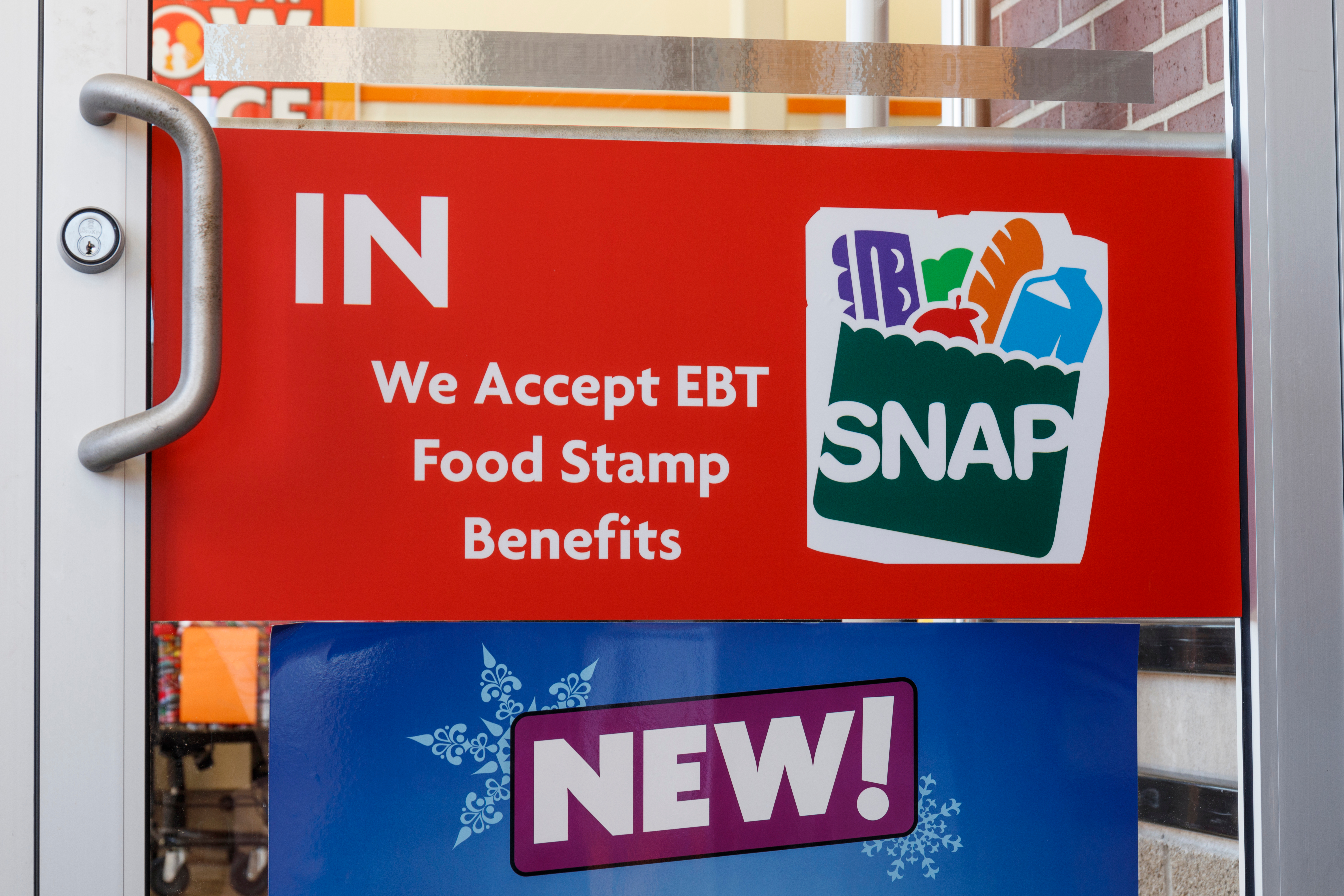
As New York powers ahead with digitalisation of access to food assistance, new hurdles loom for the city’s most vulnerable—a cautionary tale for welfare in the digital age.
For thousands of New Yorkers, the difference between a stocked pantry and an empty fridge hinges on something as prosaic as mastering a password. In 2026, the Supplemental Nutrition Assistance Program (SNAP), the city’s largest anti-hunger tool, will require recipients to navigate a shifting maze of stricter recertification rules and a swiftly digitising bureaucracy. Although such reforms are billed as “modernisation,” the changes threaten to trip up many of the very people SNAP is meant to help.
The mechanics are straightforward in theory. Every six to twelve months, depending on eligibility, SNAP beneficiaries must update officials on their circumstances—income, household size, expenses, and sometimes employment status. The city’s Human Resources Administration (HRA), presiding over more than 1.7 million city cases, used to process reams of paperwork via mail, with in-person interviews for the digitally averse. Now, in a move meant to reduce costs and expedite responses, the state is driving a rapid pivot to online platforms for nearly all re-enrolment.
The rationale for digitalisation is hard to dismiss. Shifting stamps and forms to the cloud may save administrative dollars in a state where social welfare spending eats up nearly half the $229 billion budget. Authorities reckon they can cut processing backlogs and target fraud more nimbly, sparing city caseworkers the drudgery of snail mail and file cabinets. Interviews are, in some cases, still offered by telephone—at least for now. Letters have given way to emails, paper forms to PDFs, and the new watchword is “self-service.”
Yet the digital shift is no leveller. For many of SNAP’s 540,000 older adult recipients in New York, or those lacking reliable broadband, the push poses real hurdles. Losing a cellphone, forgetting a password, or failing to check an online account can instantly jeopardise food access. Troubleshooting a recertification glitch is no small feat; an error uploading a paystub or missing a notification can mean an abrupt loss of benefits, with restoration potentially delayed for up to 30 days. For families living paycheck to paycheck, that delay bites hard.
This is not just a matter of inconvenience. SNAP’s new federal rules extend work requirements to adults up to age 64, increasing the pool of recipients who must verify job-seeking or employment status. The volume of paperwork—now digital paperwork—has grown. Advocacy groups warn of a bureaucratic Catch-22: more scrutiny and data, but fewer accessible routes for those daunted by screens, forgotten passwords, or English-language forms. Alarmingly, groups like the Urban Justice Center caution that technical errors or missed deadlines could eject hundreds of thousands of otherwise qualifying New Yorkers from the program, not for ineligibility but mere administrative missteps.
These developments portend second-order consequences for the city at large. SNAP already injects about $3 billion each year into New York’s food economy—bodegas, supermarkets, and neighbourhood wholesalers depend on it. If digital barriers spark mass “churn,” with eligible people falling through the cracks, retailers may feel the pinch. Political backlash is equally plausible, as food insecurity tends to ripple outward, straining shelters, clinics, and charity food banks.
There are, of course, upshots for the state. Eliminating in-person interviews and mailings may free up agency resources, allowing officials to identify and root out improper payments more efficiently. Streamlined data systems promise a modern welfare apparatus fit for a city of eight million. But this modernisation is, to borrow a word, an uneven tide. For the technologically savvy, renewals will proceed with a few taps; for others—particularly non-English speakers and those with limited digital skills—the “cloud” might as well be a veil.
Nationally, New York’s trajectory mirrors a wider American enthusiasm for efficiency in welfare. States from California to Florida have trumpeted streamlined benefit portals and digital dashboards. Globally, too, obsession with “agile” bureaucratic hygiene is not unique to America. But these shiny portals often falter when measured against the messiness of real human lives. Britain’s transition to digital Universal Credit, for example, was marred by delays, confusion, and a spike in poverty among less digitally literate claimants.
A paperless panacea—or an own goal for welfare inclusion?
Sceptics might view New York’s reforms as penny-wise and pound-foolish. The promise of digital cost savings can quickly be offset by unintended exclusion of the city’s most vulnerable: the elderly, disabled, newly arrived immigrants, and families lacking digital access or fluency. One-size-fits-all digital mandates seldom translate cleanly in practice. Even the best-funded programs are only as robust as their weakest user interface.
To be clear, not all is gloom. Digital systems do offer measurable gains—fraudsters find it harder to slip through automated checks, while genuine applicants can theoretically renew aid without the indignity of queuing at municipal offices. Some cities have piloted helpful workarounds: community centres offering free digital “navigators,” partnerships with local libraries, and multi-lingual tech support. Smart policymakers could borrow from such experiments, investing some of the marginal savings into hands-on help for those at risk of being left behind.
Historic New York, ever eager to outpace trends, is perhaps too swift in assuming broadband access and tech-savvy are universal. True efficiency lies in systems built around the needs of the hardest-to-reach, not the easiest. What begins as administrative reform can, without course correction, compound inequality rather than resolve it.
Americans are no strangers to bureaucracy. But for the millions whose nutrition hinges on getting a PIN right, the stakes are higher than in the typical online shopping cart. Food assistance, poorly administered, carries externalities—rising reliance on emergency food systems, worsening public health, and ultimately, public discontent.
Public officials deserve some credit for modernising a creaky system. But they would do well to temper their digital zeal with attention to realities on the ground. Technology is a tool, not a substitute for policy acumen—or, for that matter, common sense.
A city’s welfare regime is judged not by the cleverness of its portals, but by how deftly it bridges the chasm between policy intent and human need. New York, eager to set the pace, would be wise to keep a finger on the off-switch, lest efficiency trump empathy entirely. ■
Based on reporting from El Diario NY; additional analysis and context by Borough Brief.