SNAP Recertification Goes Digital for 2026, Older New Yorkers Face New Hurdles
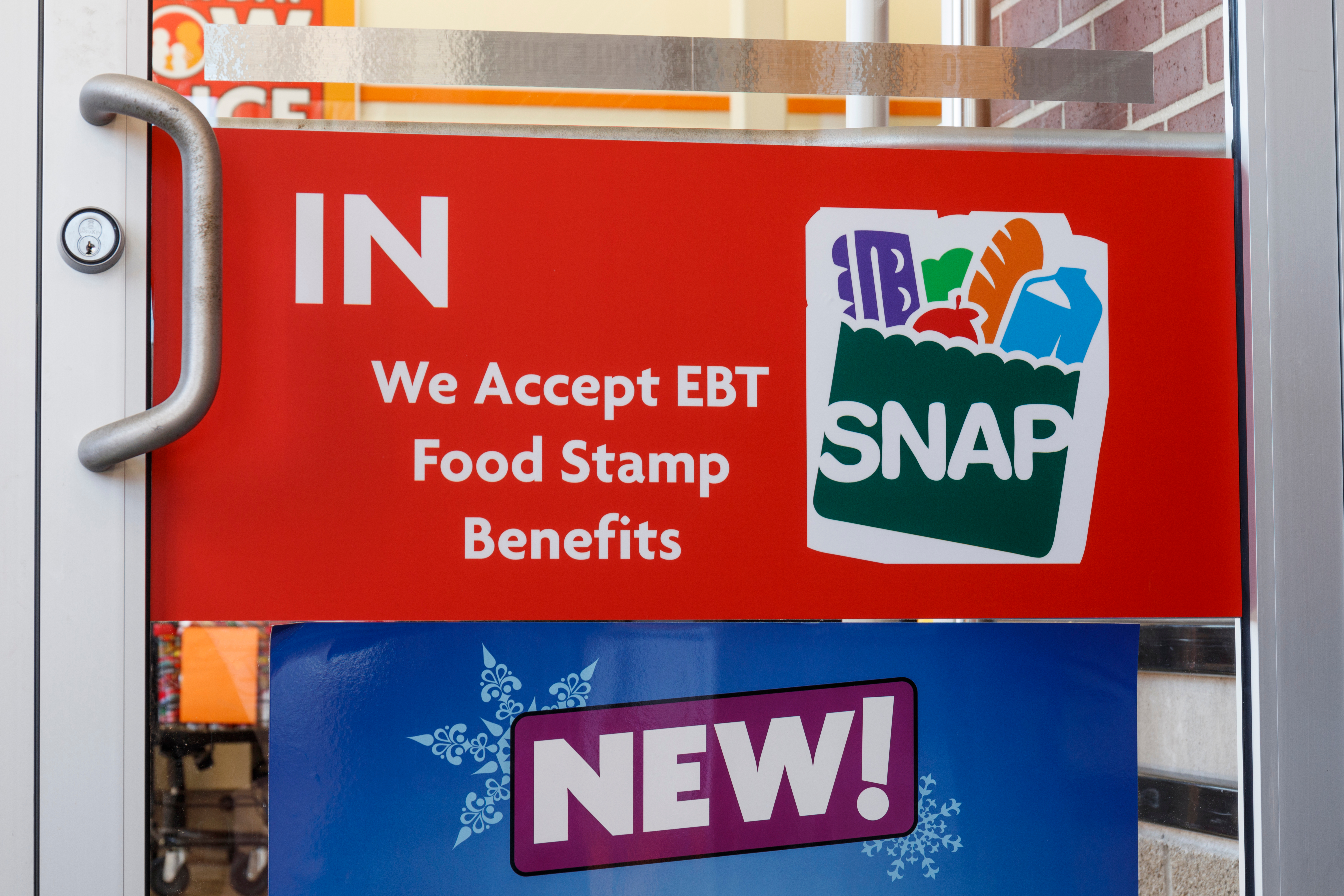
The shift to digital-only recertification for SNAP risks excluding New York’s most vulnerable, raising questions about efficiency, equity, and the unintended consequences of administrative modernisation.
For nearly 1.7 million New Yorkers, the difference between a stocked pantry and an empty fridge hinges on the city’s ability to administer federal food assistance without friction. Yet a growing chorus of local caseworkers and advocacy groups warn that, rather than smoothing the path, new rules promise a bumpier ride for those least equipped to navigate technological potholes.
The Supplemental Nutrition Assistance Program (SNAP), known colloquially as food stamps, serves one in five city residents. Its administrative gears are about to grind differently. From 2026, recertification—a process that already demands six-month or annual verification of income, household composition, and employment—will occur primarily online. Paper forms and in-person signings, once hallmarks of bureaucratic ritual, are vanishing in a digital migration that city and state agencies say will cut costs and modernise delivery.
Proponents point to potential efficiency. By nudging beneficiaries onto portals and apps for uploading documents and verifying identity, agencies expect to streamline workflows and reduce error-prone paperwork. Yet beneath the bland language of digital transformation lies a thornier reality: not all New Yorkers possess the tools or skills to comply.
In practice, older adults—already making up roughly 30% of city SNAP recipients—risk falling through the cracks. Many lack reliable internet connections, smartphones, or the patience to reset forgotten passwords. Advocacy groups report that even minor technical hiccups can delay or suspend benefit payments for weeks, interrupting food access for people least able to absorb the shock.
The new system also coincides with stricter federal mandates. In recent years, Congress has extended work requirements up to age 64 for able-bodied adults, demanding more paperwork and routine proof of employment. Each rule may appear incremental, but in aggregate, the bureaucratic burden for recipients—especially those juggling multiple jobs or living on fixed incomes—has swelled. More digital hoops mean greater likelihood of missing a deadline, uploading the wrong document, or simply failing to decipher a cryptic notification.
The consequences of this administrative modernity are unevenly distributed. Most affluent New Yorkers, even those who have slipped into the safety net after a period of joblessness, can navigate a government website or search a spam folder for digital reminders. But the city’s elderly, disabled, and linguistically isolated are less likely to check email frequently—or to understand evolving recertification instructions that arrive with little warning, if at all.
Compared with other American cities, New York faces a peculiar bind. It boasts some of the most robust network infrastructure in the country but also the largest urban population of tech-averse seniors, immigrants, and renters. Analogies with the Affordable Care Act’s initial enrollment hurdles—or the confused scramble for pandemic benefits in 2020—are not misplaced.
A digital divide, sharpened by bureaucracy
Federal agencies and state partners insist that telephone interviews and limited in-person support will continue “where feasible.” Anecdotally, however, New Yorkers seeking live help report lengthy waits, shifting directions, or outright rejections from overburdened offices. Local food pantries and social service providers, wary of burgeoning demand, have begun training volunteers to assist with digital navigation—a gallant but paltry counterweight to the scale of the institutional pivot.
Economically, the administrative tightening may have paradoxical effects. While savings from reduced paperwork are welcome amid budget pinches in Albany and City Hall, a significant number of otherwise eligible New Yorkers risk termination simply due to technical or clerical mishaps. Nationally, anti-hunger groups have documented hundreds of thousands of “procedural denials” in states that moved early to digital-first SNAP recertification. These are not cases of fraud or ineligibility, but of recipients lost in the bureaucratic Alps.
There are, to be sure, countervailing winds. Other countries with mature safety nets—think Sweden or Germany—have made similar transitions, albeit with more robust digital education and backup options. The British experience offers a caution: a recent National Audit Office study found abrupt digitalisation of welfare increased short-term administrative savings, but also led to a measurable uptick in poverty rates among seniors and disabled people. New York hardly beckons as Sweden on the Hudson.
Practical solutions do exist. Outreach campaigns, partnerships with libraries and community groups, and holding onto hybrid modes for the digitally wary could temper the harsher edges of reform. Yet these require political will and, ironically, more up-front investment than simply pointing users to a website.
We are inclined to favour government efficiency, particularly in sectors where bloat and inertia are perennial foes. However, gains in speed or savings are meagre if they come at the cost of excluding those who need the benefit most. New York’s SNAP recipients do not require the city to stand athwart change; they merely need an assurance that modernisation will not mean digital abandonment. In the end, no system designed to feed the hungry should threaten to starve them through a poorly timed password reset.
The city’s social contract, already frayed after years of pandemic and inflation, requires more considered stewardship. If New York wishes to tout itself as a digital-first metropolis, it must ensure its most vulnerable residents are not left holding the empty bag.■
Based on reporting from El Diario NY; additional analysis and context by Borough Brief.