Second Suspect Arrested in East Williamsburg Baby Shooting as NYPD Probes Gang Ties
The tragic death of a child amid Brooklyn’s gang crossfire forces New York City to confront the tangled roots—and unpalatable truths—of urban violence.
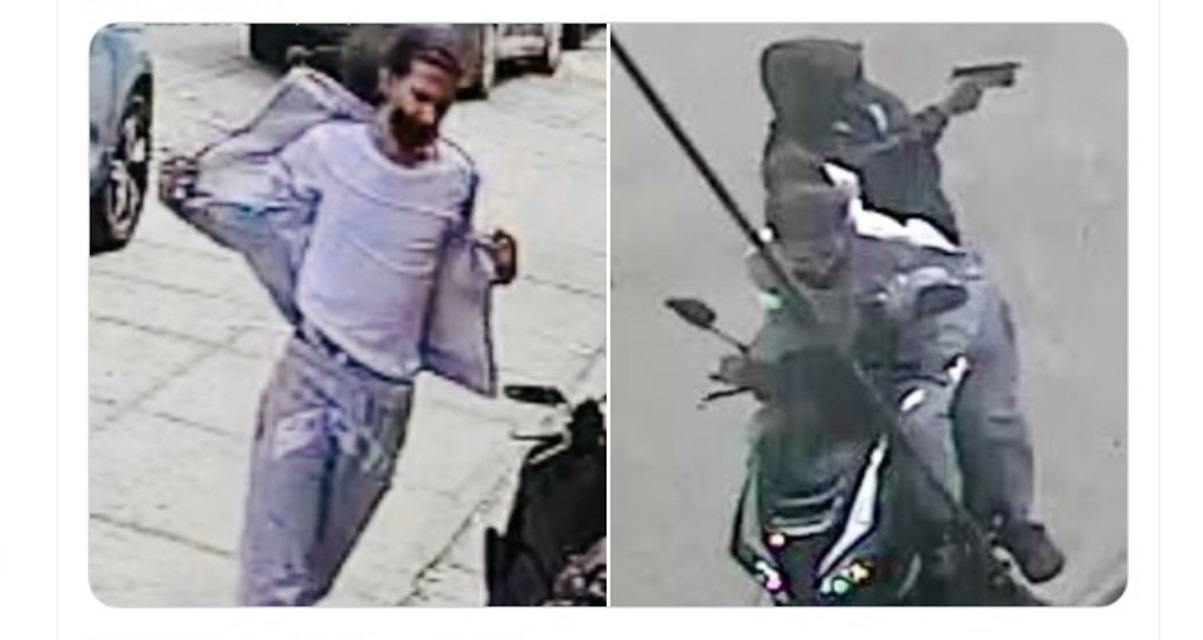
Shortly after lunchtime on a mundane Wednesday in East Williamsburg, Brooklyn erupted into chaos. At 1:15 p.m. on April 1st, gunmen on a speeding motorbike opened fire on a group of adults and children, sending stray rounds careening down the sidewalk. One round struck seven-month-old Kaori Patterson Moore in the head as her parents wheeled her in a stroller. She died on the pavement; her two-year-old brother was hit but survived.
The infant’s killing has galvanised public outrage, casting a harsh light on a city grappling with persistent gunplay. New York Police Department detectives moved swiftly: Amuri Greene, aged 21, was apprehended just hours after the shooting, albeit with a broken leg suffered while fleeing the scene. Yesterday, NYPD announced they had located the suspected driver, 18-year-old Matthew Rodríguez, hiding across state lines in Pennsylvania.
Prosecutors allege the shooting was the latest round in a grim, familiar feud. Greene, they claim, is linked to a group from the Marcy Houses in Bedford-Stuyvesant, now locked in a dispute with the MOE (Money Over Everything) gang. The intended target, authorities say, was the children’s father—a man they describe as affiliated with local criminal groups, though, tellingly, not listed in NYPD’s official gang database.
For New Yorkers, the grisly event is more than a tragedy—it is a microcosm. It exposes how easily innocents are caught in the slipstream of tit-for-tat street justice. The death of Kaori, the city’s first child homicide victim of 2026, has become a rallying point for residents and officials fatigued by vague reassurances and incremental policy tweaks.
At street level, the reverberations are immediate and visceral. Civic groups demand an end to the cycle of retribution that has left neighborhoods on edge. Lawmakers hawkish on crime are reinvigorating calls for heavier policing, harsher gang prosecution, and new surveillance powers. Their more progressive rivals retort that systemic factors—poverty, failing schools, and a surfeit of cheap handguns—must be addressed, rather than simply criminalising more youth.
Public figures have displayed their usual mix of outrage and opportunism. Assemblymember Zohran Mamdani became the latest lightning rod after he publicly blamed “guns” rather than “gangs,” inviting both condemnation (“soft on crime,” thunder the tabloids) and praise from fellow reformers. For every voice demanding stiffer sentences, there’s another arguing the city cannot simply arrest its way out of the crisis.
Beyond the headlines, one must reckon with the stunted efficacy of past solutions. New York has halved its murder rate from the dark days of the 1990s, largely through “broken windows” policing and community investment. But the stubborn resilience of localised violence—especially involving adolescents—belies any facile triumphalism. That one suspect in this case is just 18 years old bodes ill for hope that old tools will suffice.
The city’s fragile equilibrium is further threatened by what some call a “youth crime wave”—a term as pungent as it is imprecise. According to the NYPD, juvenile shooting incidents have climbed 14% in the past year, with victims and suspects alike skewing younger. Pandemic school closures, a sputtering juvenile justice reform agenda, and a deluge of illicit firearms have combined to fray old accountability mechanisms and embolden teenage triggermen.
When local violence mirrors national malaise
New York, for all its scale and mythic resilience, is hardly alone in wrangling with urban gun crime. Chicago, Philadelphia, and Baltimore all report similar surges in shootings involving minors, prompting questions about the wisdom—if not the morality—of well-intentioned but patchily implemented reform. At the federal level, President Biden’s latest plan to stem gun trafficking and fund “violence interrupters” has delivered talking points but few measurable gains. Internationally, the problem looks even grimmer: the United States boasts a juvenile homicide rate now 18 times higher than in comparable rich-world cities.
Nostalgia for New York’s “safe city” heyday—when murders dipped below 300 a year—is both understandable and, for now, misplaced. The contemporary matrix of urban violence resists simple diagnosis. It is equal parts beef between hyperlocal groups, wider economic malaise, and a deepening cynicism toward institutions. Police say they need more tools; community leaders say they need more trust. Both may be right, but neither offers an easy fix for families forced to bury their youngest.
In this context, the city’s recent policy oscillations—swings from “defund” to “refund” the police, flirtations with gang intervention programmes, and surges in gang unit activity—risk being performative rather than preventative. The harsh lesson of cases like Kaori’s is not simply that guns are too cheap or that youth are too reckless. It is that New York’s approach too often pivots with the news cycle, rather than reckoning with the problem’s Gordian complexity.
We are sceptical that another round of political recrimination, whether focused on strings of arrests or rhetorical calls to “do better”, will deliver much new. What will matter, we suspect, is a return to pragmatic, data-driven experimentation: targeted investments in adolescent mental health, swift and certain consequences for recidivist offenders, and partnerships that treat gang violence not just as crime but as a diagnosable public health threat.
It would be tempting, as some have done, to reduce this outrage to an “epidemic of guns” or “youth gone wild.” But as the facts accumulate, so too should nuance. The murder of Kaori Patterson Moore is neither uniquely monstrous nor entirely inexplicable. It is emblematic of a city that has, for all its diversity and dynamism, never quite solved the puzzle of how to keep its poorest neighbourhoods safe from the spasms of senseless violence that still mar its streets.
There will be more vigils, more grandstanding, and, if history guides, more despair. But amid the clamour, New York might—if it is honest with itself—find opportunity for a response both more candid and more effective. Fewer platitudes, more actionable intelligence. Fewer gestures, more measured resolve. The cost of failure is measured quite literally in lives not yet lived. ■
Based on reporting from El Diario NY; additional analysis and context by Borough Brief.