Sanders and Khanna Pitch $3,000 Checks Funded by 5% Billionaire Wealth Tax, if Congress Bites
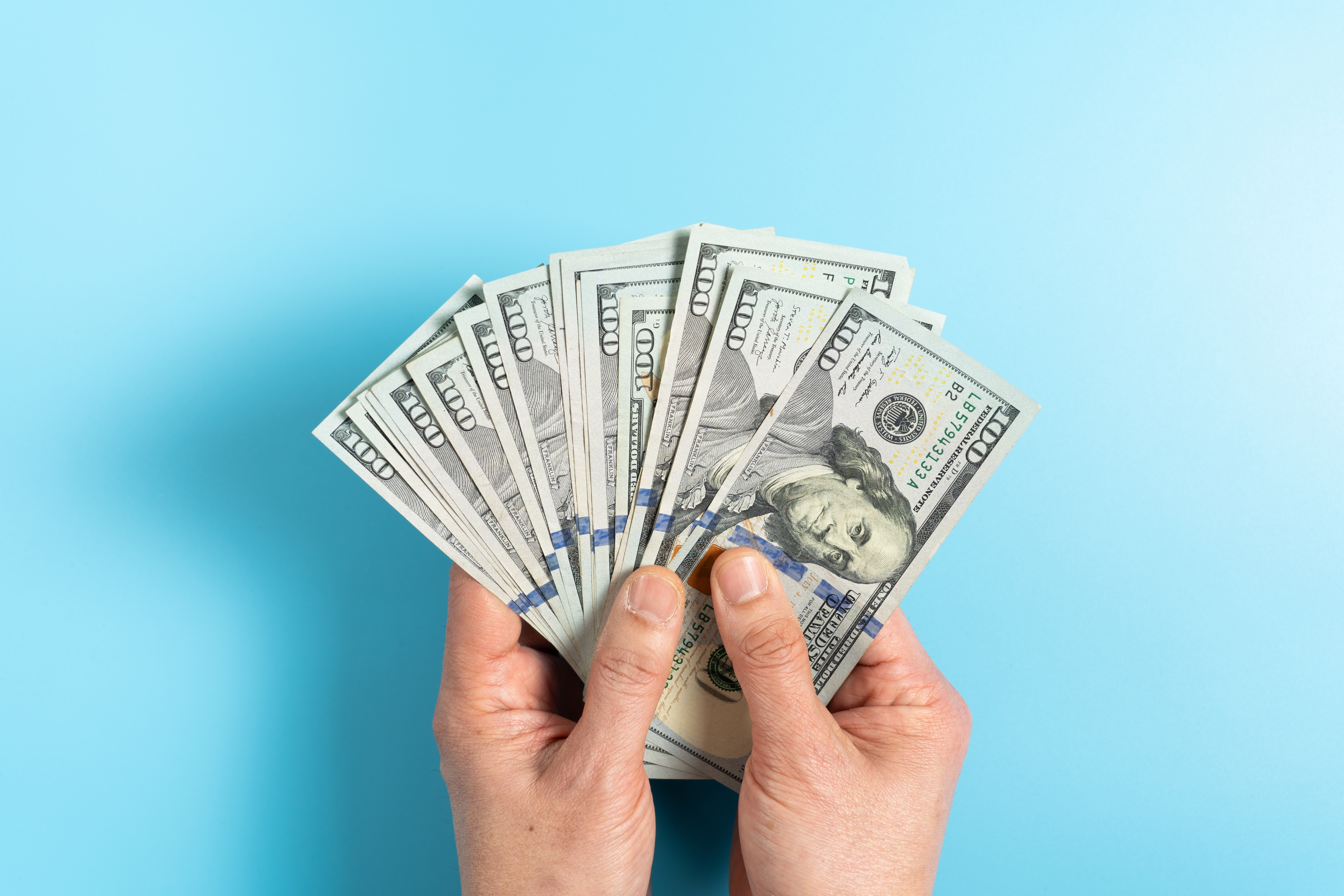
Amid swelling inequality and fiscal strain, a bold federal wealth tax bill promises $3,000 cheques for millions of Americans—but can it truly narrow New York’s economic chasm?
New York’s top 1% now claim more than a third of the city’s wealth, while subway platforms fill with the ghosts of anti-poverty campaigns past. Or so it must seem, as Senator Bernie Sanders and Representative Ro Khanna unveiled the Make Billionaires Pay Their Fair Share Act in Congress, a proposal that could, on paper, send $3,000 directly to most New Yorkers via a hefty tax on America’s 938 billionaires.
The plan is both simple and monumental. Backers say that an annual 5% federal wealth tax on America’s billionaires—just those with a net worth above $1 billion—would generate nearly $4.4 trillion over a decade. The money would not simply pad government coffers. Instead, it would splurge, at least in its first year, with one-off payments of $3,000 for every individual in households making $150,000 or less: a family of four, theoretically, could net $12,000.
But New York, never one to do things by halves, stands especially poised to feel the tremors. Of the country’s billionaires, over a hundred reside within the five boroughs or nearby enclaves, and their fortunes—purportedly untouched by New York’s own income taxes on unrealised capital gains—could help finance the city’s own sprawling needs if Washington delivers their cut.
More than three million city households would fall under the income cap, based on recent Census figures, sweeping in nearly the entire breadth of the working and middle classes. To these New Yorkers, a $3,000 cheque may feel like manna, dwarfing recent stimulus payments and rivaling the after-tax effects of much-ballyhooed state-level relief programmes.
It would go further. The bill’s revenues would also, say its authors, undo $1.1 trillion in past Medicaid and Obamacare cuts, expand Medicare to include dental, vision, and hearing services, build affordable housing, cap child care costs at 7% of family income, and guarantee public school teachers a minimum salary of $60,000—a figure that in New York is surprisingly close to the current median, but promises to lift boats elsewhere.
Still, for every dollar spent, another question looms. Levying multi-billion-dollar taxes on a mobile cohort of billionaires could easily provoke capital flight, clever reshuffling of assets, and years of legal wrangling—a scenario with which New York is already intimately acquainted. The recent skirmishes over New York’s “mansion tax” and California’s attempts at wealth taxation offer ample cautionary tales.
For city dwellers, especially the vast populations outside the cloistered halls of finance, the tangible impact could be immediate. Cheques would be spent locally, and enhanced social benefits would, at least hypothetically, ease perennial woes: crowded schools, unaffordable rents, and a shortage of affordable elder care. Wealth redistribution on this scale hints at a tectonic shift in the city’s budgeting patterns, with an outsized share of national redistribution flowing back to places with both high needs and concentrations of billionaire wealth.
Yet New York’s economy hardly exists in isolation, and what bodes well for its payrolls could unsettle its larger position as a magnet for tycoons. Consider the United Kingdom’s brief flirtation with punitive top rates after World War II, which drove capital and talent abroad for decades. France’s recent repeal of its wealth tax, after the exodus of high-earners to Belgium, is fresh in memory, too.
A national experiment, a local laboratory
Elsewhere across the United States, similar debates rage—though few places combine the financial girth and inequality of Gotham. Nearly 60% of America’s billionaires are clustered in coastal cities, with the New York metro area arguably the most exposed should such a tax drive its rich residents, and their charitable dollars, to warmer (or at least friendlier) climes.
Moreover, legal obstacles are formidable. Critics predict constitutional challenges based on Article I, which restricts direct “capitation” taxes unless apportioned by state population. Though Supreme Court guidance is murky, any attempt to tax the paper value of largely illiquid assets will ignite litigation that could stall implementation for years.
The second-order politics are just as tangled. While Sanders and Khanna’s proposal may delight those squeezed by New York’s property values or grappling with childcare, the spectre of “wealth flight” is a perennial concern of Albany and City Hall. Governor Kathy Hochul, no stranger to balancing budgetary ambition with economic realism, will surely take stock of how this federal plan might interact—or clash—with New York’s own progressive tax schemes. City Council members, some eager, some wary, will also measure the cost of a diminished billionaire tax base against the prospect of short-term gains.
Globally, New York’s posture as a cosmopolitan capital depends in part on a stable, if sometimes puny, trickle of philanthropic largesse and private investment from its wealthiest residents. A marked clampdown—at least, one that isn’t matched by London, Singapore, or Dubai—could prove treacherous over the medium term. Yet proponents argue that unchecked wealth concentration is a worse threat to dynamism and social stability alike, with too much capital idling atop the pyramid.
We are, in sum, sceptical that the Make Billionaires Pay Their Fair Share Act will glide untroubled into law—or deliver all it promises. But the bill reflects a ferment in American attitudes toward inequality, and in New York especially, the economic stakes are neither abstract nor remote. $3,000 may not buy happiness, but for millions of New Yorkers it may purchase a month’s peace. The long-run effects—on mobility, innovation, and the city’s sense of itself—will demand careful accounting, and perhaps the familiar New Yorker’s grit.
For now, the chasm between Central Park penthouses and the outer boroughs is as stark as ever. Whether a bipartisan Congress will bridge it with new taxes and cheques remains, as ever, uncertain. One thing, however, is less contestable: a city that has flourished by taxing both poverty and ambition will be watching this federal experiment—warily, and with hands outstretched. ■
Based on reporting from El Diario NY; additional analysis and context by Borough Brief.