Rent Freeze in Play as Mamdani’s Appointees Take Charge of Guidelines Board
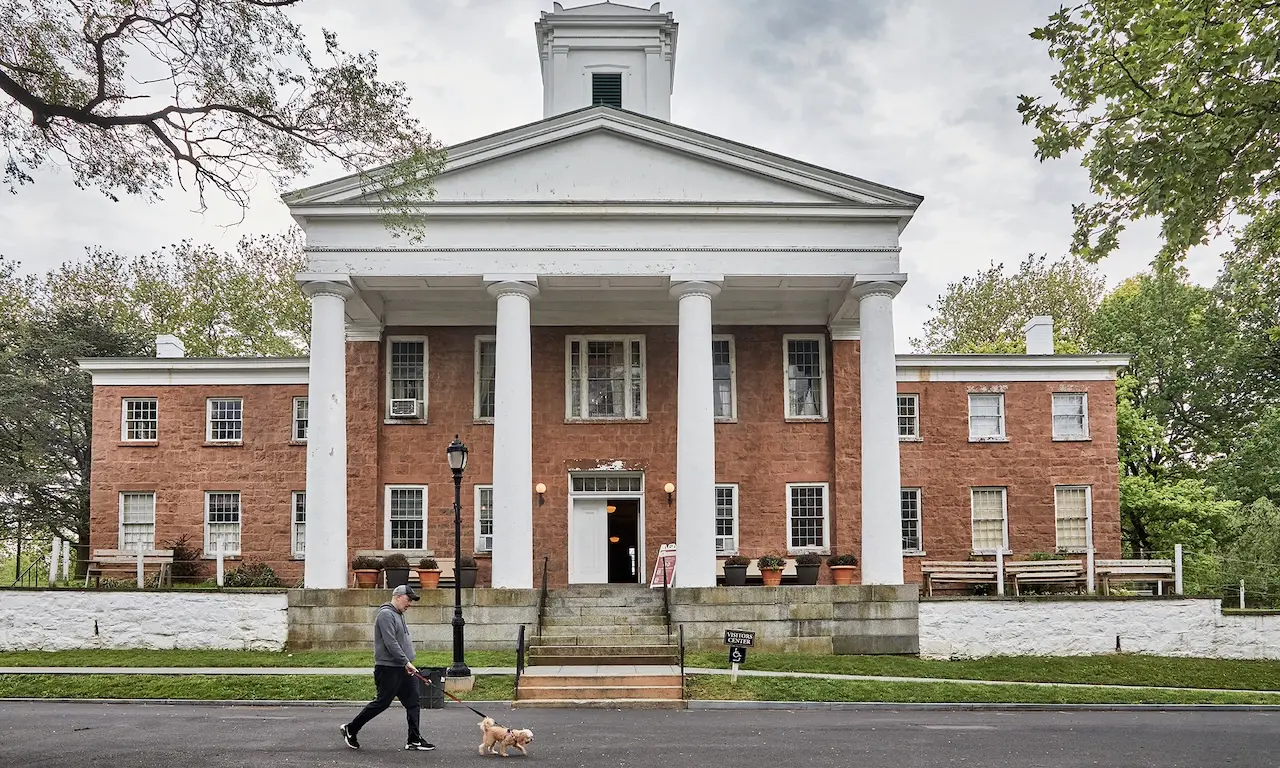
New York City’s debate over a possible rent freeze for nearly one million stabilized apartments underscores the city’s struggle to balance affordability and market forces.
On a clammy spring morning, few New York City rituals command as much nervy anticipation as the annual wrangling over stabilized apartment rents. Roughly 960,000 homes—about one in three rentals in the five boroughs—fall under the sway of the Rent Guidelines Board (RGB), an unlikely group of nine officials whose decisions reverberate across the city’s social and economic strata. This year’s conclave portends more than the usual cacophony: the newly installed mayor, Zohran Mamdani, staked his electoral fortunes on an explicit pledge to freeze rents on these city-defining dwellings—a promise freighted with symbolism and consequences.
The mechanics, though ponderous, are clear. In June, the RGB convenes as usual to decide by how much, if at all, landlords may raise rents on stabilized apartments. Unlike in previous years, however, the balance of power on the board has skewed away from property interests: despite efforts by ex-mayor Eric Adams to plant loyalists, Mr Mamdani swiftly installed a majority sympathetic to his vision. And that vision is stark. Amid persistent complaints about spiralling living costs and stagnant wages, Mr Mamdani is betting that holding the line on rents offers desperately needed relief to tenants—even as landlords cry foul.
For New York’s renters, a freeze would offer immediate, if partial, respite. The city’s official rent-stabilization system, a vestige of wartime price controls and post-war housing crises, covers units built before 1974. Renters under this regime are, in theory, shielded from arbitrary hikes; in practice, recent years saw the board approve increases ranging from a paltry 1% to a not insignificant 3.25%. Last year’s hike fuelled not only tenant protests but also headlines bemoaning unaffordability. The mooted freeze, if enacted, would thus be a potent symbol—though it cannot, of course, conjure new housing where none exists.
Landlords, predictably, bridle at the prospect. Their associations warn of baleful effects: stagnant revenues, deferred maintenance, and potential disinvestment in aging blocks. Some predict a slow hollowing-out, as property owners contend with inflation, rising insurance premiums, and ever-stiffer regulatory burdens. The city’s Department of Housing Preservation and Development estimates that more than 30% of rent-stabilized landlords report negative net operating income. Whether these tales amount to bluster or harbinger is, as ever, contested.
A rent freeze may seem trifling in the context of New York’s teeming real-estate industry, but the ripple effects could be anything but. Stabilized apartments are disproportionately home to older tenants, working-class families, and the city’s lowest earners. For these New Yorkers, rent remains the single largest expense. Should the freeze proceed, the immediate impact would be a brief pause in housing instability—a rare salve for households beset by medical bills and childcare costs alike.
Yet, as economists and housing experts (including former RGB chair David Reiss) point out, freezes are, at best, a blunt instrument. Delaying permitted increases offers present comfort but does little to rectify the city’s profound housing shortage. By discouraging investment in the existing rental stock, it risks aggravating long-term decay. Those angling for a more buoyant housing ecosystem argue that true affordability will require tough zoning reforms, incentivizing construction, and targeted subsidies for the truly indigent—not merely holding rents in abeyance.
The underlying political calculus is also shifting. The Mamdani administration’s gamble reflects a newly assertive tenant lobby, emboldened by post-pandemic organizing and a palpable sense that the city’s economic resurgence has bypassed many. Historically, the city’s moderates on housing policy tutted that excessive controls served only to stultify supply and sap landlord confidence. But successive waves of rent hikes, soaring evictions, and the COVID-19 battering have blunted such arguments. The result is a playing field tipped, for now, in the tenant’s direction.
The rent freeze in national and global relief
Other U.S. cities wrestle with similar dilemmas, but New York’s unique scale and entrenched system set it apart. San Francisco, for instance, also boasts strict rent controls, yet its smaller base of regulated units makes for a different political and economic calculus. Across the Atlantic, Berlin’s audacious Mietendeckel (rent cap) briefly froze prices before Germany’s highest court struck down the scheme, arguing that city-level controls infringed on federal prerogative. In both cases, the results boded ill for new housing investment but bought politicians valuable time to ponder bolder reforms.
At the heart of the debate lies an instructive conundrum: how to safeguard affordability without throttling the oxygen of private investment. New York’s real-estate market, with its $1 trillion in assessed value and a labyrinth of local statutes, remains one of the most heavily regulated on earth. And yet, a stagnant pipeline of new housing, not just rising rents, has rendered the dream of a city affordable to workers, artists, and families ever more tenuous.
We reckon that a rent freeze, for all its political utility, is merely a sticking plaster. Fiscal prudence and fairness demand that city leaders pair short-term tenant protections with aggressive action to boost housing supply: streamlining permitting, taming the thicket of land-use reviews, and reimagining public-private partnerships. If the city baulks at honest reckoning, it will find the same old arguments—tenant versus landlord, affordability versus maintenance—returning in predictable, wearying cycles.
Whatever the RGB’s decision in June, the outcome will be intensely scrutinized for what it portends: a temporary lift for one segment of New Yorkers, or a harbinger of more systemic reform. Given the city’s drift into perennial housing crisis, political leadership must prove commensurate to the challenge—not just freeze, but build. ■
Based on reporting from NYC Headlines | Spectrum News NY1; additional analysis and context by Borough Brief.