Oil Nears $100 on Iran Conflict as New Yorkers Eye Rising Gas Prices
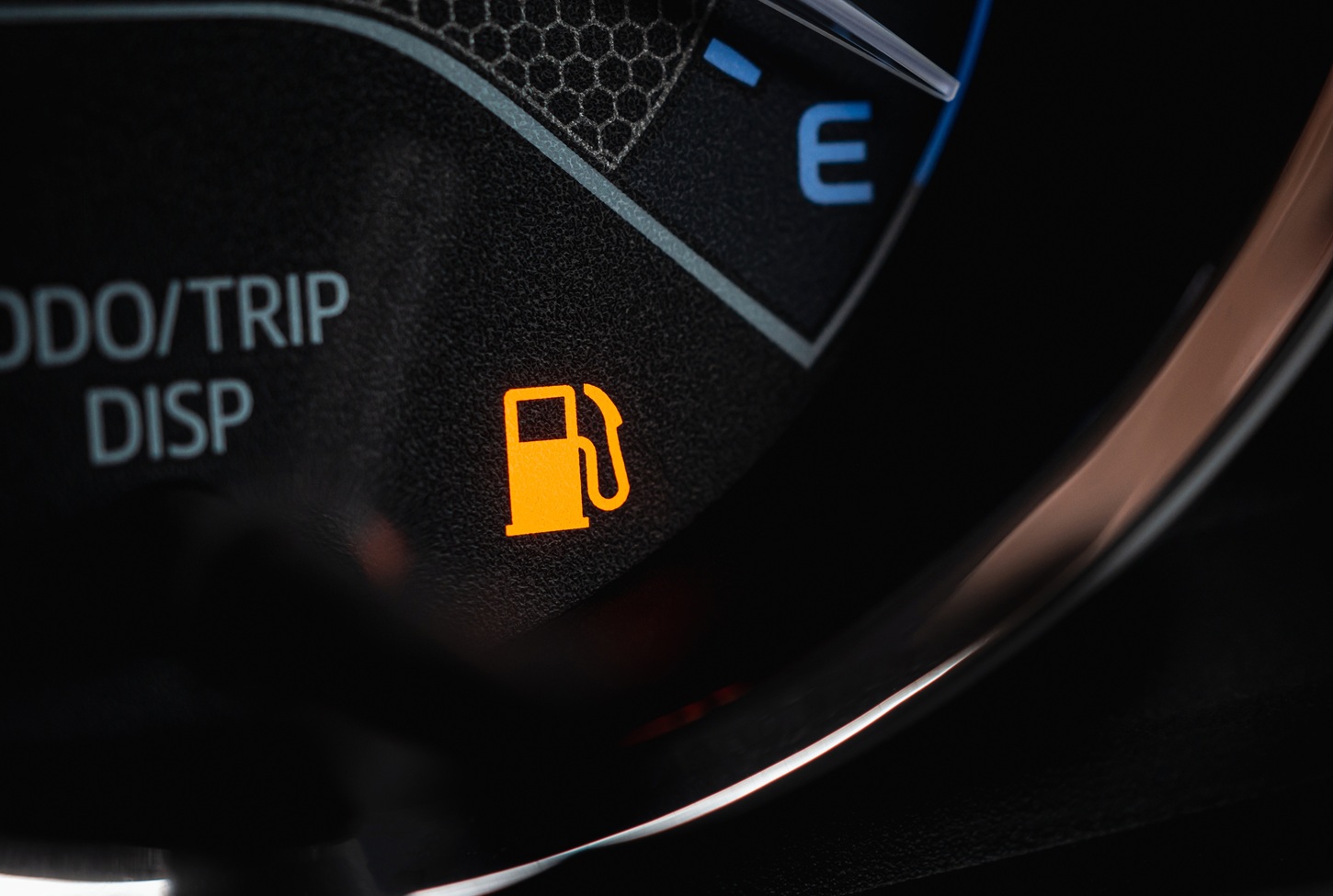
As New York girds for petro-politics, surging oil prices expose the city’s economic vulnerabilities and portend choppier waters ahead.
Few things roil New Yorkers more efficiently than spikes at the pump. As oil prices surged perilously close to $100 per barrel this past weekend—an unwelcome echo of crises past—the city’s commuters, taxi fleets, and delivery networks braced for the imminent pinch. The latest jolt owes little to errant speculation or domestic policy but rather, once again, to the combustive realities of the Middle East.
This time, escalating hostilities involving Iran have rattled global oil markets, pushing the West Texas Intermediate (WTI) benchmark above $90 per barrel—its loftiest perch since 2022. In tandem, the European Brent price nudged $92. Analysts at the International Energy Agency (IEA) and firms such as Again Capital say the risk is not episodic. If military confrontation persists, the disruption to Middle Eastern supply chains—source of nearly one-third of global crude—may prove durable.
For New York City, which despite its image of subways and yellow cabs remains surprisingly car-reliant, the downstream effects could be both swift and severe. Fuel costs are a vital input, not only for beleaguered motorists but for a swath of businesses from delivery couriers to construction outfits. Even city agencies, reliant on fleets ranging from sanitation trucks to police cruisers, must now contemplate sudden ballooning costs.
The price of gasoline in the United States reliably shadows crude. According to the federal Energy Information Administration (EIA), roughly 50% of the cost at the pump is attributable directly to oil prices. When oil spikes, so too do Americans’ daily expenses, a fact with heightened local resonance where the median household already faces steep living costs.
Yet the impact in New York is seldom evenly spread. While the city’s subway-centric core might sigh with weary relief, outer-borough neighbourhoods—from the suburban reaches of Staten Island to the livery cab ranks in the Bronx—feel every uptick. Grocers and bodegas, reliant on trucking, are compelled either to absorb painful cost increases or pass them on through higher prices. At a time when inflation remains the scourge of household budgets, this is poor news.
Second-order ripples are inevitable—and seldom auspicious. Higher oil prices act, in effect, as an unauthorised tax, subtracting cash from local wallets and dampening consumption. In New York, where economic growth and city coffers remain tightly coupled to sales taxes and consumer buoyancy, the spectre of shrinking discretionary spending is hardly academic. Meanwhile, small businesses already buffeted by cost pressures may find razor-thin margins shaved yet further.
On the political front, the surge in oil prices is a perennial gift to populists and demagogues. Mayoral hopefuls may seize on the moment to castigate city and state governments for their supposed inaction or regulatory hostility towards domestic energy. In Washington, renewed grumbling about strategic reserves or fresh calls for drilling permits are all but certain. For policymakers seeking both energy security and emissions reductions, the event demonstrates—once again—the fragility of progress when geopolitics intrudes.
Comparisons with the past are instructive, if not entirely reassuring. The oil shocks of the 1970s famously convulsed American cities, breeding inflationary spirals and puncturing assumptions of endless growth. More recently, the 2022 price spike—triggered by Russia’s war in Ukraine—underscored the global nature of energy insecurity. Though New York’s reliance on petrol has diminished since those days, thanks to improved public transit and modest fleet electrification, the city is by no means immune.
Globally, the United States is not alone in its exposure. In Europe, the repercussions of Brent crude’s rally will be felt acutely; in energy-importing economies from India to Japan, growth forecasts hinge on the outcome of negotiations and gunboat diplomacy. Yet the American predicament is especially piquant in a nation historically wedded to cheap, abundant fuel.
Finding a path through crude volatility
What then should New Yorkers—and their officials—make of this renewed turbulence? On one hand, short-run pain is likely inevitable. Despite modest encouragements to shift to electric vehicles, the infrastructure and incentives lag behind need. While City Hall has boasted of a “green fleet” initiative, only a small fraction of municipal vehicles are fully electrified.
Conversely, these pressures may serve as the nudge that policymakers require. Past spikes in oil prices, though damaging, have sometimes propelled overdue reforms—accelerating transit investment, supporting alternative energy, and, with luck, tempering profligate consumption. The risk, as always, is that leaders succumb to the temptation of short-termism: cutting fuel taxes, courting oil producers, or otherwise blunting market signals that, if heeded, could yield lasting benefits.
Yet fatalism would be misplaced. New York boasts an unmatched density and a latent resilience in its mobility mix. The city’s finest hours, from the blackouts of 2003 to the aftermath of Hurricane Sandy, have been marked not by passivity but by pragmatic adaptation. Demand for petrol may temporarily spike, but so too does ingenuity under pressure.
Indeed, the city’s penchant for reinvention—prompted by little more than a spike in price or a jolt from afar—remains its trump card. Rather than succumbing to anxiety, we reckon, New York would do well to view the latest crude crisis neither as an existential threat nor a passing inconvenience, but as another clarion call for purposeful change. Petrol is not, after all, the city’s only fuel.
■
Based on reporting from El Diario NY; additional analysis and context by Borough Brief.