Office-to-Apartment Conversions Promise 16,300 New NYC Rentals—But Delays Still Loom Large
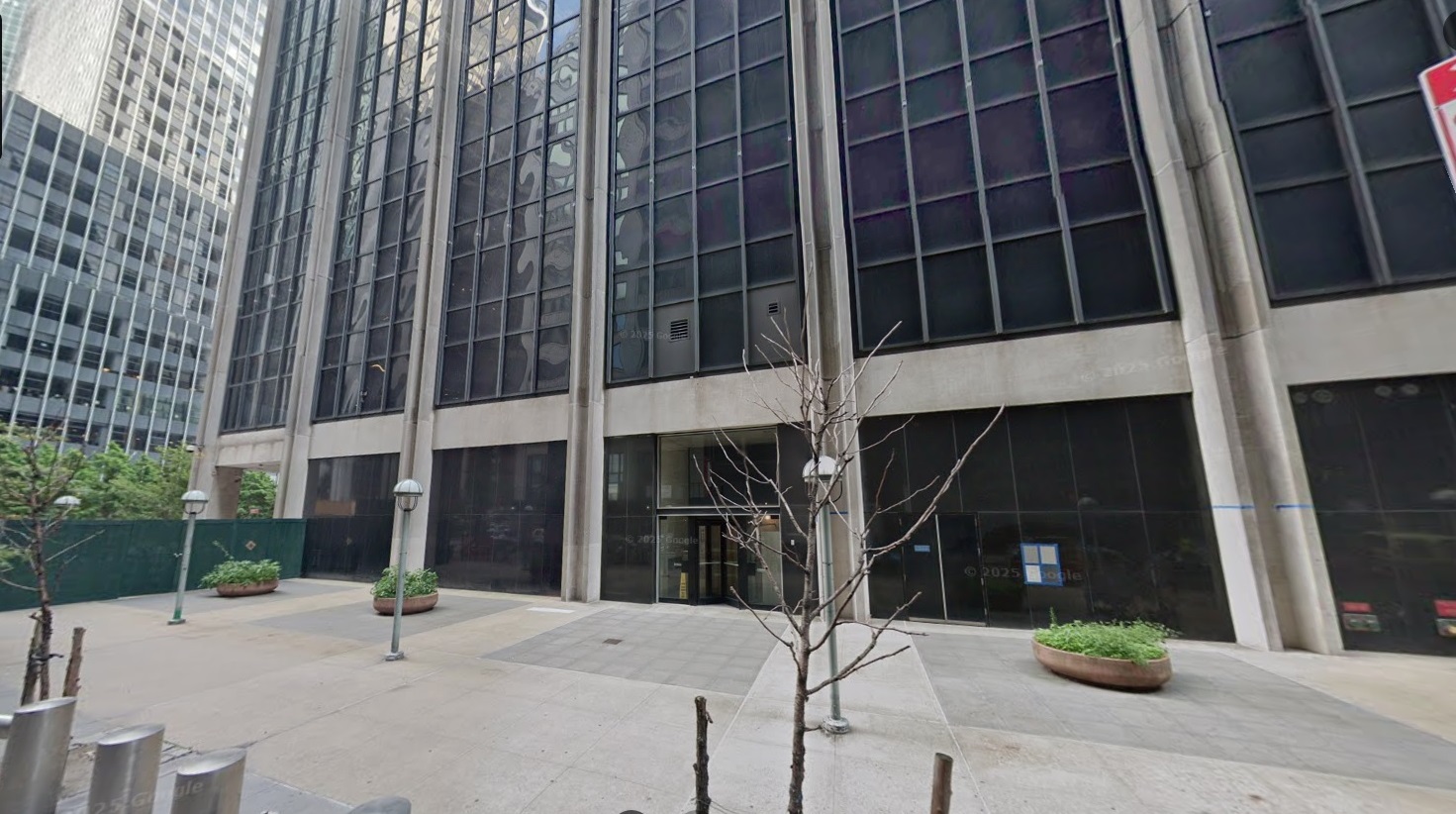
New York’s booming office-to-apartment conversions highlight the city’s struggle to adapt to remote work and surging population, while offering a glimmer of hope for its crushing housing crisis.
When yet another Midtown tower darkens at dusk, commuters might imagine the building is simply sleeping off the pandemic hangover. In fact, that somnolent stack of glass and steel may soon be humming with laundry machines and the cries of toddlers instead of the click of keyboards. New York City is in the midst of a dramatic shift: this year, over 16,300 apartments are set to emerge from what were once office spaces, with city planners and landlords repurposing unloved corporate real estate at an unprecedented pace.
The catalyst is hardly subtle. Work-from-home, once an awkward experiment, has ossified into the new orthodoxy for white-collar New Yorkers. As occupancy rates in many towers sink below 55%, the city stares at a surplus of desks—and a desperate deficit of beds. A record 143,000 people moved into New York in 2024, intensifying the city’s long-festering housing shortage and supercharging demand for new homes, particularly those even faintly affordable.
The phenomenon stretches well beyond Gotham. Across the United States, 90,300 apartments are being created from former office spaces in 2026, a hefty 28% leap from the prior year, according to Yardi Research. In 2022, just 23,100 “conversion” units were underway nationwide, leaping to 45,200 in 2023, then 55,300 in 2024—and now, a projected 70,700 in 2025. Even for a nation seasoned in adaptive reuse, these are bumper figures.
The New York angle is both urgent and awkward. Office landlords are under the cosh: a third of all U.S. office loans are due by 2027, pressuring owners to make uneconomic towers economically viable—or face defaults. Yet conversions are anything but simple. Turning cubicle warrens into flats means wrangling with fussy floor plates, byzantine city codes, and a thicket of zoning restrictions. Many projects, such as at 111 Wall Street in the Financial District, require elaborate overhauls that can drag on for years and cost multi-millions, even when blessed by City Hall.
And still the math rarely dazzles. Office-to-apartment conversions are no panacea for affordability. While some transformed apartments are marketed as “workforce housing” or branded affordable, most end up at rents determined by construction costs in Manhattan’s rarefied property market. In some cases, tenants may merely trade a dull desk for a pokey studio—hardly the stuff of the urbanist’s utopia.
Those caveats notwithstanding, the scheme is a modest boon to a city with sky-high rents and a vacancy rate that hovered near a paltry 2% in 2024. Adaptive reuse offers a slender workaround to years of sclerotic new construction and political inertia. Compared to greenfield development, conversions can shave years off approval times and sometimes skirt the more onerous community pushback that halts new builds entirely. For local governments, conversions could also bolster a bleeding property-tax base in downtown neighbourhoods marred by empty offices.
What, then, of the ripple effects? If enough conversions take root, a clutch of business districts in lower Manhattan and Downtown Brooklyn may begin to lose their post-5pm desertion. A few former financial fortresses could sprout day-care centres, corner shops, and a more vibrant “mixed-use” life after dark. Politically, leaders from Eric Adams to state legislators have clambered aboard the conversions bandwagon—though their efforts are stymied by unavoidable trade-offs between “affordable” mandates, builders’ economics, and preservationist pushback.
A new lease for old towers
For New Yorkers, the social contract is quietly shifting. Where once office districts emptied with the last barista’s scowl, they may soon accommodate families, retirees, and students—complicating notions of neighbourhood, taxing outdated transit lines, and, with luck, revitalising stagnant blocks. City agencies will need to rewire service provision, from sanitation to schools, to keep pace with the new downtown denizens. Meanwhile, the record pace of conversions could test already-stretched construction labour markets and local infrastructure.
Internationally, New York’s office-to-apartment pivot mirrors similar efforts in London, Toronto, and parts of Asia, though the scale here is more daunting. American cities tend to have older, less flexible towers than, say, the newer verticals of Shanghai or Dubai. While other metros have seen gluts in unused office space, few have combined that glut with such a puny supply of housing. New York’s conversion gold rush, therefore, is both a microcosm of an urban crisis and a faint sign of American agility.
We take a measured, wary optimism to the sudden embrace of office conversions. The process is replete with friction and false starts; indeed, as of early 2026, some 66,500 projects already underway have slogged through years of red tape and construction headaches. Real obstacles remain: rising interest rates, lender skittishness, labour shortages, and city zoning regimes not built for swift renewal. Yet, against the backdrop of intractable housing malaise, even incremental progress ought not to be sniffed at.
What bodes for the long term is that American cities, New York foremost among them, remain laboratories of adaptation. If converted towers can be married with expeditious permitting and appropriate incentives, they could set precedents for making battered business districts fit for a more polyglot and resilient urban future. The stakes are hardly trivial: billions of dollars in underused real estate, and the daily reality of living in a metropolis that is both aspiration and struggle.
New York, ever a city of reinvention, is not exactly dreaming new dreams with its converted apartments. But it is at least learning to recycle the old ones—hoping that residents will do more than just turn off the lights when they leave the office for good. ■
Based on reporting from El Diario NY; additional analysis and context by Borough Brief.