NYCHA Faces Shakeup as HUD Citizenship Rule Threatens Thousands of Mixed-Status Households
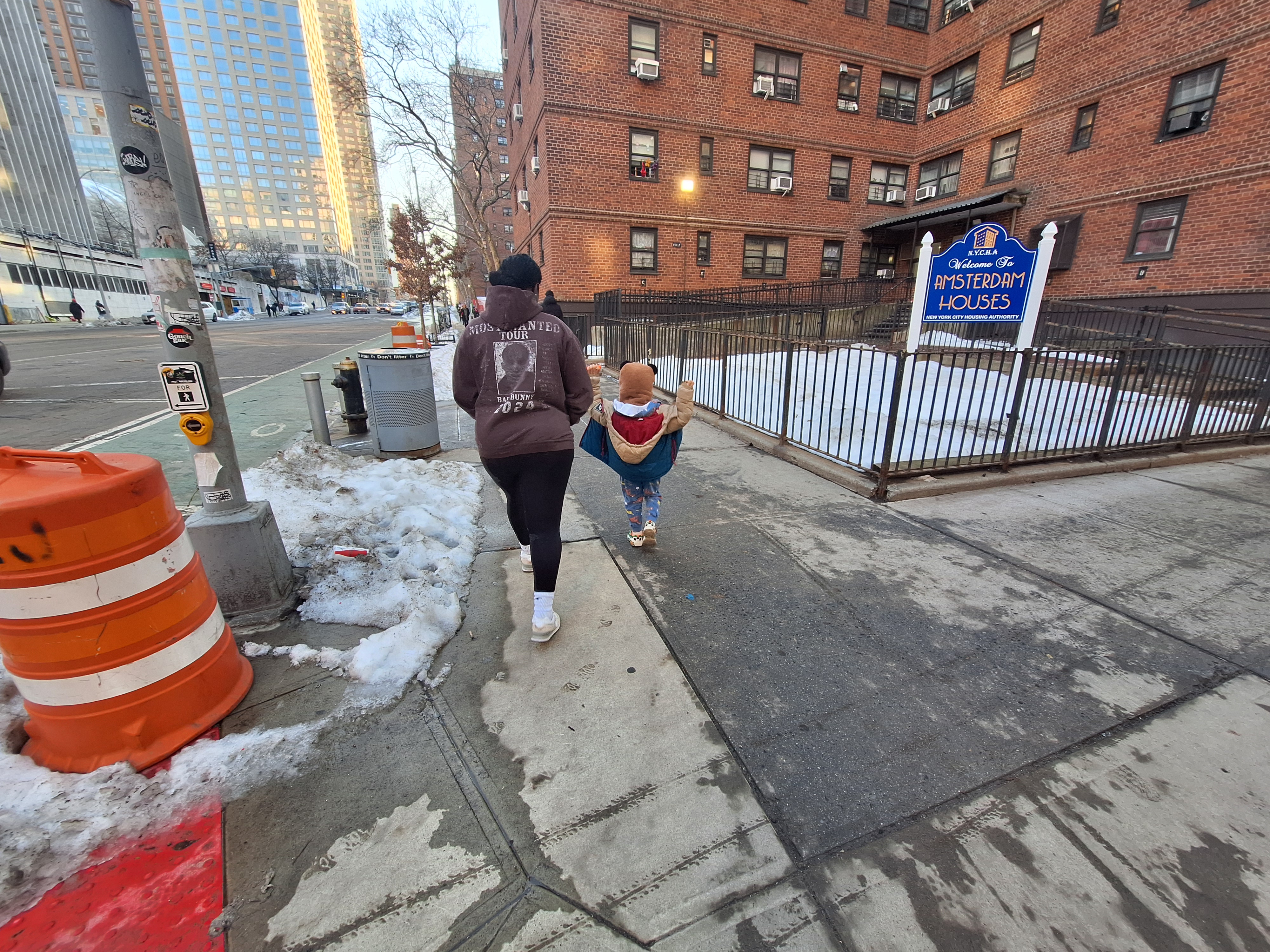
New federal rules restricting public housing to U.S. citizens could unsettle thousands of New York families—and expose the fissures in America’s approach to immigration and urban poverty.
New York City, bastion of immigrants and proud home to America’s largest public housing system, teeters at the precipice of a bureaucratic earthquake. If a recently revived rule from the Department of Housing and Urban Development (HUD) takes effect—prohibiting non-citizens from occupying federally subsidized housing—at least 3,000 city households, and potentially thousands more, risk being cast into uncertainty. That figure may sound paltry in a metropolis of 8 million; yet for the families involved, the possible outcome is stark: eviction, homelessness, or wrenching separation.
The proposal, last seriously attempted in 2019 but now rejuvenated with stricter requirements, would mandate citizenship verification for all residents in HUD-assisted housing. This encompasses not only public-housing units administered by the New York City Housing Authority (NYCHA) but also those using coveted Section 8 housing vouchers. Unlike previous iterations, the current version tightens scrutiny, sweeping up more than 4.3 million households nationwide—including many with at least one American citizen.
In New York, the effects would hardly be notional. The city’s own civil-agency report from 2019 estimated that even a “conservative” tally put around 13,000 individuals at risk, with mixed-status families—where, typically, U.S.-born children live with undocumented or temporarily protected adults—caught in the undertow. One does not need to be an enthusiast for open borders to appreciate the dilemma: Should American-born children lose their housing because a parent lacks papers?
Beyond statistics, the faces of the crisis come into sharp relief at places like Amsterdam Houses in Manhattan, where long-tenured residents such as “Bertha,” herself an immigrant, observe that most neighbours have decades-long ties but know of honest, hardworking families who might be swept up by this policy. The percentage of mixed-status families may be modest, but the absolute number is significant in a city with such a gargantuan public housing stock.
Proponents of the rule insist that taxpayer-funded housing should benefit only American citizens—a view long articulated by some congressional Republicans and immigrant-sceptic policy groups. For them, the rule rectifies a perceived injustice and ensures proper allocation of finite resources. Yet this narrative elides the reality that the bulk of those who stand to lose assistance are children who are, by any metric save their parents’ birthplaces, as American as their playground peers.
If implemented, the fallout would reverberate far beyond household budgets. The city could see an upsurge in shelter demand—already a chronic headache for municipal government—along with pressure on already-strained health and social services. The municipal report warned of predictable knock-on effects: destabilised families, exacerbated child poverty, and erosion of the fragile safety net that keeps low-income New Yorkers off the streets.
There are also less visible, but no less pernicious, second-order effects. Housing advocates fret that forced evictions could fracture community ties and undermine trust in public institutions. The politics are not lost on anyone; children born in New York who are forced into homelessness or family separation present a potent image, and not an edifying one, for a city that styles itself as a global beacon of opportunity.
Nor is New York alone in grappling with this conundrum. Cities such as Los Angeles, Chicago, and Miami, with their own vast public-housing portfolios and significant populations of mixed-status families, watch the developments in Washington with apprehension. If history is any guide, the costs of such rules are absorbed first—and most keenly—by states and municipalities, whose budgets must stretch to shelter the suddenly dispossessed.
Nationally, the move refracts through the wider lens of America’s balkanised approach to immigration and welfare. Surveying wealthy nations, one finds a range of policies: Some European countries, for all their struggles with migrant integration, typically preserve access to basic housing for children and families as a matter of public order. The American instinct, lately, appears to tilt towards exclusion—though often at the cost of local stability and with little evidence of fiscal savings.
How not to ration America’s meagre housing stock
The ostensible rationale for the HUD proposal is economisation—triaging scarce housing resources for “deserving” citizens. Yet HUD’s own projections suggest that the net effect could be fewer families served, not more: many households with mixed status have at least one eligible member, meaning evictions would not free up entire apartments, but empty beds. New York’s vacancy rate in public housing is already vanishingly low; an administrative purge would almost certainly spawn so-called “under-occupancy” and raise costs for housing agencies themselves.
Political reactions have broken along familiar lines. Housing advocacy coalitions and civil-rights groups have swiftly castigated the rule as cruel and self-defeating; local officials warn of bureaucratic headaches and perverse incentives, with families hiding or omitting household members to avoid scrutiny. By contrast, champions of the rule see it as long-overdue administration of priorities, perhaps boding well for voters anxiously policing the boundaries of public largesse.
But this debate hides the larger failure: both Congress and the White House have, for decades, shirked a coherent national housing policy. Public housing is chronically underfunded, the supply of affordable units paltry, and demand ever rising. The finger-pointing over immigrant eligibility distracts from systemic neglect—a familiar if dispiriting pattern in American social provision.
The HUD proposal is no foregone conclusion; legal wrangles and bureaucratic delays are inevitable. But the hazard is painfully clear. If the rule proceeds, it would almost certainly disrupt more lives than it helps, beset cities with new costs, and chip away at New York’s vaunted reputation for resilience and inclusion. For a city built by immigrants, and a nation that credits itself with pragmatism, the policy offers little of either. ■
Based on reporting from El Diario NY; additional analysis and context by Borough Brief.