NYC Food Costs Rise 56 Percent in a Decade, Minimum Wage Earners Stretching Meals Thin
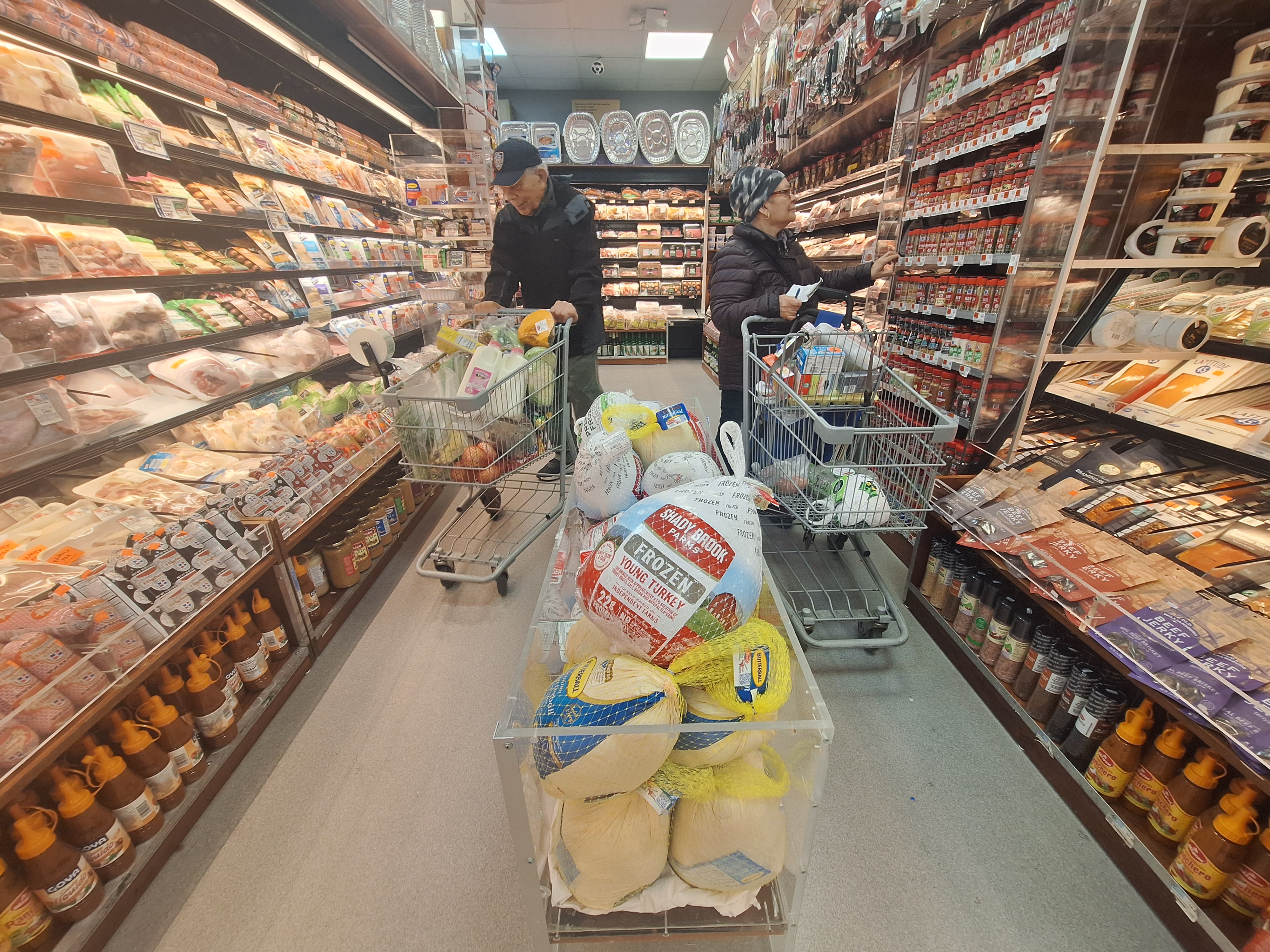
Soaring food prices are forcing New York’s working poor to face stark trade-offs, dimming hopes of economic mobility in the city that once promised plenty.
On a recent Saturday in Washington Heights, Eva Feliz, a longtime resident and Dominican immigrant, surveyed her grocery receipt with the air of a stunned accountant. She had spent over $90 on what, ten years ago, would have cost half as much—and yet the fridge still looked puny. Hers is hardly an isolated case. For an overwhelming proportion of New York’s Hispanic and African-American families, basic subsistence now requires both austerity and improvisation.
A fresh report from No Kid Hungry New York lays that reality bare. In February, the group’s poll found that 67% of city dwellers had recently chosen between buying sufficient food and covering rent, utilities, transport, or other essentials. The city’s own Comptroller, Brad Lander, confirmed this squeeze: since 2012-13, New Yorkers have seen food prices rise by a whopping 56.2%, markedly above the national figure of 46.4%. These increases did not happen in a vacuum, nor did they proceed equitably.
New York’s infamous cost overheads—higher rents, spatial logistics, and regulatory layers—now coincide with a post-pandemic storm in global prices. Residents who once managed to live “paycheque to paycheque” find that even this threadbare existence is now, as one observer pithily put it, “out of reach.” Sixty-seven percent of those polled by No Kid Hungry had taken on new credit card debt simply to fill their pantries.
The implications for New York are not just personal but public. An alarming 52% of respondents admitted to additional indebtedness over the past year, mostly owing to costlier groceries. The effect on well-being is not abstract: 54% cited worsened physical health; 60% reported declining mental health; over half saw fraying social ties as families skip gatherings to economise. For communities of colour—already bearing the brunt of the city’s fastest-rising rents and thinnest social safety nets—the effects border on catastrophic.
Microscopic studies show the staples most affected. Eggs and coffee, those archetypal breakfast items, now fetch between 30% and 100% more than just a few years ago in some neighbourhoods. City data suggest that, since the pandemic, food inflation at or near 9% per annum has pulverised budgets. One in five New York children now lives in a household at risk of hunger—a figure eerily reminiscent of the city’s darkest post-industrial days.
Why has New York been hit harder than the rest of America? City supermarkets face high fixed costs (real estate, insurance, security) and, frequently, supply-chain snarls unique to dense urban environments. The pandemic prompted swift, sharp demand shocks; wage increases lagged; and, crucially, federal aid has begun to ebb. The Supplemental Nutrition Assistance Program (SNAP) remains at risk of future cutbacks, imperilling millions who rely on its monthly top-ups.
At street level, the city’s famed ethnic vibrancy is imperiled by these converging shocks. A cuisine scene built on affordable ingredients falters: restaurants swap fresh for frozen, or else quietly cut menu staples. In many neighbourhood bodegas, the price of basics—rice, ground beef—has tripled since 2019. Volunteer-run food pantries, once a “stop-gap,” are now a primary food source for thousands, some of whom once sent money home to relatives but now face food insecurity themselves.
It is not only diets and family budgets that erode: city employers fret about the knock-on effects on productivity, health, and social order. If workers cannot afford enough calories, absenteeism rises and school readiness plummets. The uptick in personal debt, meanwhile, heralds gloomier prospects for economic mobility and home ownership, perpetuating the city’s longstanding divides.
Pressure in Gotham, comparisons nationwide
The New York predicament stands apart in some respects, but it gestures toward broader American unease. Nationally, food inflation since 2019 is high, but nowhere has the pain been as acute or concentrated as in the five boroughs. Los Angeles and Chicago have weathered similar price jumps; yet, New York’s combination of high urban density, housing precarity, and service-sector pay caps creates especially acute distress.
Internationally, similar trends pervade rich cities from London to Toronto, but relative poverty rates among New York’s working poor now exceed those of many peer metropolises. Londoners also gripe about £7 eggs, but British transfer systems and rent regulations soften the blow. In the US, variability in federal and state programmes means local governments are frequently left to paper over widening cracks.
Policy responses are in motion—tepid, yet earnest. Mayor Eric Adams’s administration has nudged city agencies to expand school meal provision and support community food banks. Still, without bolder federal intervention or a softening in supply-side price pressures, such efforts may serve only as a reprieve, not a remedy.
Data alone do not capture the psychic shadow cast by this food crunch. For a generation of immigrants and strivers, New York’s promise was that work—however basic—secured not just shelter, but dignity and a place at the city’s famously diverse table. That social covenant is now badly frayed.
Classical-liberal orthodoxy would urge letting market forces do their sombre work. But history, and New York’s own periods of renewal, suggest the city owes its resilience to a blend of nimble public spending, market dynamism, and private generosity. If the cost of a bag of groceries is now beyond the means of half the city’s families, something in that blend is not functioning as it should.
The city’s hyper-concentration of wealth, viewed alongside food-bank queues and ballooning credit-card debt, portends a future where New York is vibrant in myth but meagre in the daily lives of its citizens. For working families, a return to “normal” is not even on the menu.
Until price increases abate or the social safety net strengthens, the humble kitchen table—rather than the city’s fabled skyline—will define the new landscape of aspiration in America’s largest city. ■
Based on reporting from El Diario NY; additional analysis and context by Borough Brief.