Nuevos Requisitos Laborales del SNAP Entran en Vigencia en Nueva York Mientras Suben los Precios
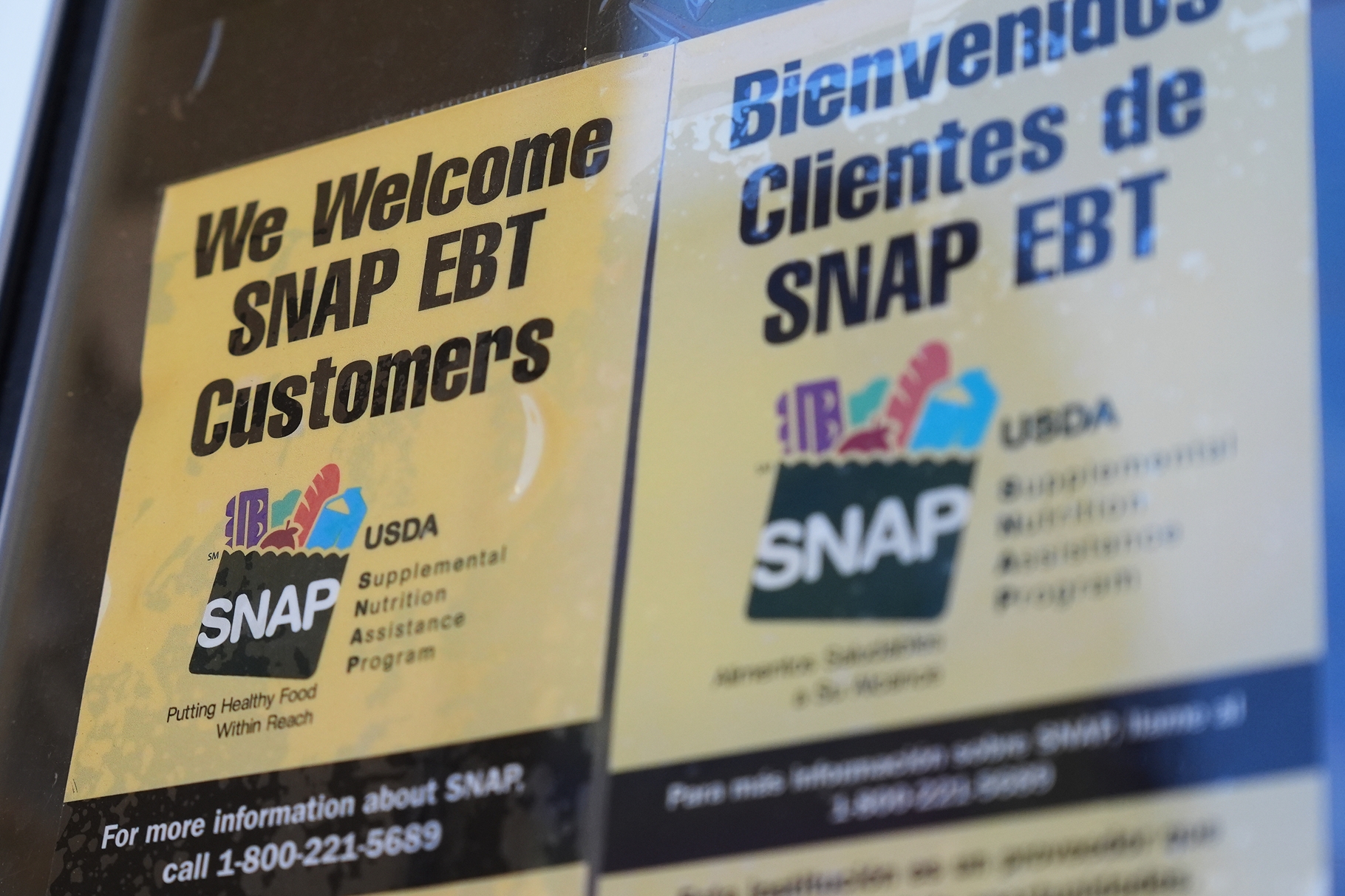
Stricter federal SNAP work rules threaten thousands of New Yorkers’ food security, exposing the city’s fragile economic safety net.
Each day, roughly 1.6 million New Yorkers rely on the Supplemental Nutrition Assistance Program (SNAP) to keep food on the table. For many, this federal benefit serves not as a handout but as life’s scaffolding amid New York City’s famously steep cost of living. But a newly enforced set of federal requirements now threatens to pull the rug from beneath a significant cross-section of the city’s most economically vulnerable adults.
On March 1st, New York State began enforcing expanded work obligations for SNAP’s so-called “Able-Bodied Adults Without Dependents” (ABAWDs), after the lapse of a longstanding statewide exemption. The move, compelled by federal mandates and bureaucratic inertia in Washington, obliges qualifying adults between 18 and 64 without young children to clock at least 80 hours monthly in paid work, training, or volunteer activity. Failure to do so means losing food benefits after a modest three-month grace period out of every three years.
The impact is far from trivial. The New York Attorney General, Letitia James, has issued pointed public warnings: anywhere from tens to potentially hundreds of thousands of city residents could now face the unpleasant choice between scrambling for work—or going hungry. Although the new rules allow for exemptions (for pregnancy, medical incapacity, or caregiving), they also open new bureaucratic traps. Recipients must proactively notify their local SNAP office of any qualifying work or training, no small feat in New York’s often labyrinthine public welfare system.
Those earning more than $217.50 a week—hardly a sum that would keep a New Yorker in pretzels, let alone housing—might technically escape the extra burden. Yet for those with unsteady hours, fluctuating wages, or ephemeral gig work, keeping up with shifting targets and paperwork remains a perennial headache. The Attorney General’s office has, correctly, advocated vigilance: “Attend to every letter,” is the practical advice from the city’s legal brass.
For the city’s government, the new rules add another item to an already crowded social to-do list. Local agencies now must scramble to inform SNAP beneficiaries of their rights, as well as connect them to job training and volunteer placements that actually meet the federal requirements. Nonprofits and food pantries, running on shoestring budgets since the pandemic, find themselves bracing for a possible spike in demand, just as their own pandemic-era funding dries up.
The wider economic context is hard to ignore. Grocery prices in New York have remained stubbornly high even as inflation cools nationally. A dozen eggs that cost $1.50 prior to 2021 now cost more than $3 in many boroughs. Housing eats up more than half of median income for low-wage workers; transit hikes also loom. In such a setting, any reduction in food assistance threatens to unleash a domino effect—from evictions to school dropouts to increased emergency-room visits.
The political backdrop is as charged as any chopped cheese debate. For decades, federal policymakers have oscillated between tightening and loosening SNAP rules, convinced by turns that the “able-bodied” unemployed just need an extra nudge—or, conversely, that structural poverty cannot be lectured away. Congress’s most recent changes, implemented in the halcyon economic days before COVID, have now reached the streets of Bushwick and the Bronx. The city’s progressive political class recognises the risk, but on this matter all are mere administrators of federal policy.
What bodes poorly for New York likely signals challenges nationwide. At last count, about 10 million Americans received SNAP under ABAWD status; New York’s present reckoning previews what could be replicated as states’ pandemic-era exemptions expire. Rural areas with weak job markets and few training placements—places often forgotten in national debates—may face harsher consequences than even Brooklyn. Some states, notably California and Illinois, have responded by quietly funding legal aid and outreach; others simply shrug.
Work rules and food security: squaring the circle
The underlying policy wager—namely, that enforcing stricter work rules will coax the idle into gainful employment—has an unimpressive track record. Evidence from earlier ABAWD rollouts is mixed at best. Studies by the Urban Institute and others suggest that most SNAP recipients subject to these rules already work or confront real barriers to employment: spotty health, unpredictable schedules, or limited access to child care and training. Among those who lose benefits, many simply go hungrier, rather than find stable jobs.
Supporters counter that SNAP’s work rules were never intended as unyielding cudgels. They hope that better communication and expanded training slots will smooth the transition. The city and state, along with advocacy groups, are mobilising to flag possible exemptions and connect people to qualifying employment. Even so, the burden of proof and paperwork falls on the individual—a system that has, historically, bamboozled precisely those with the least margin for error.
Comparisons to Europe are instructive. Most EU countries treat food assistance as an unconditional guarantee, decoupling nutrition from strict work compliance and accepting some inefficiency as the price of public health. America, meanwhile, still sees SNAP as a privilege to be earned, not a right to be exercised—a stance that risks underfeeding millions on the altar of administrative neatness.
We reckon that, in the calculus between deterrence and support, the new rules err on the side of forfeiture rather than empowerment. Policymakers underestimate the sheer disorder and friction faced by low-income, work-capable but poorly connected adults—especially in cities as costly and administratively labyrinthine as New York. A modest intention to promote “self-sufficiency” may, ironically, only deepen the city’s inegalitarian spiral.
Ultimately, for a city that styles itself as compassionate but efficient, the new SNAP requirements are a test of both resolve and realism. If history is any guide, the cost of a narrower social safety net will appear not in leaner budgets, but in longer food-bank queues and what one Manhattan community worker calls “silent suffering.” New York’s leaders, well versed in managing the remnants of federal experiments, would do well to prepare—and loudly lobby for a saner, data-driven policy before hunger becomes another hard fact of urban life. ■
Based on reporting from El Diario NY; additional analysis and context by Borough Brief.