New York Home Prices Now Tenfold Since 1970s as Supply Stays Frozen
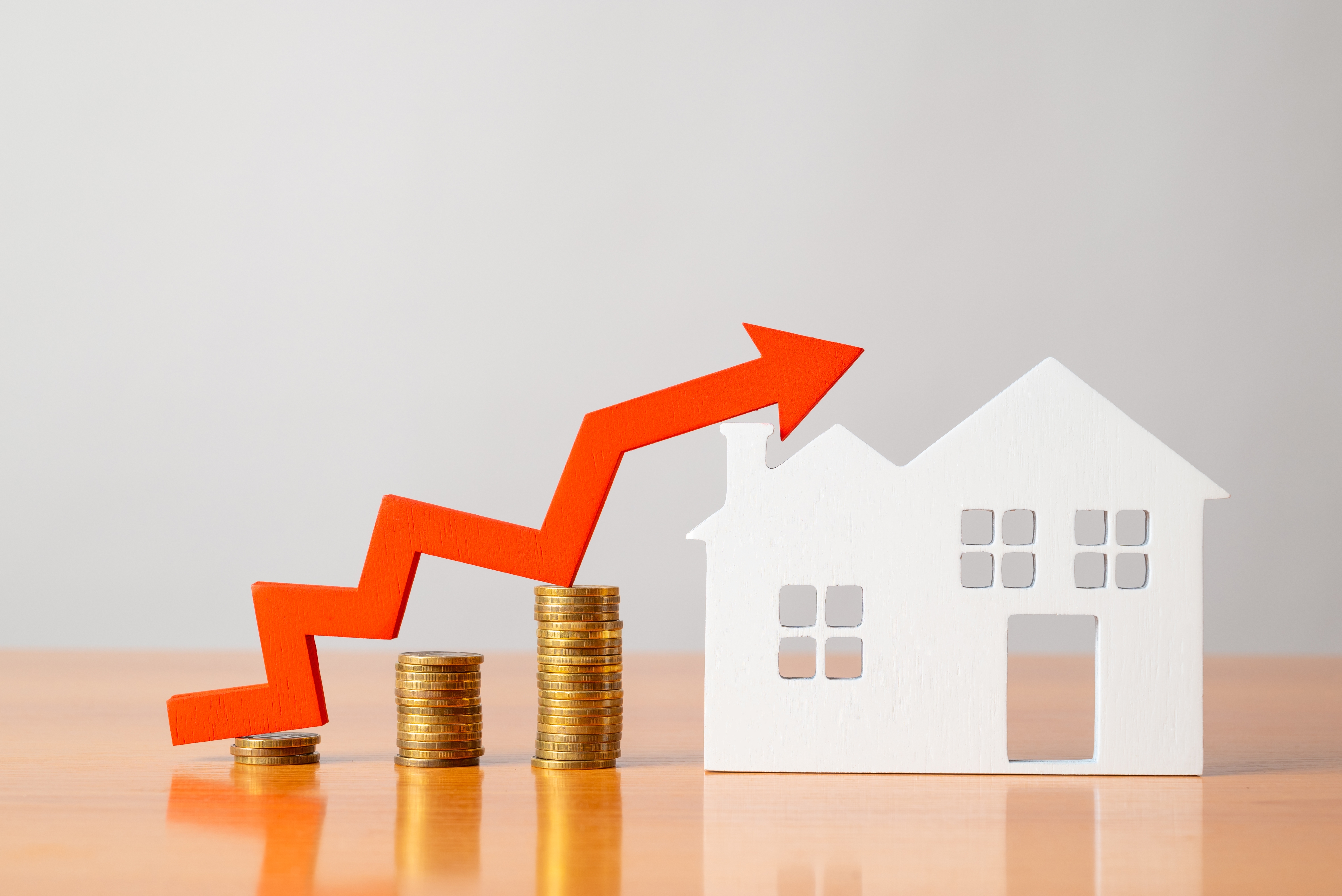
Soaring home prices threaten the dreams of New Yorkers, as pressures on affordability collide with supply shortages, higher interest rates, and mounting construction costs.
A century ago, owning a brownstone in Park Slope was the mark of a middling professional family; now, similar properties command millions, out of reach for those on less than a seven-figure income. Across the five boroughs, the story repeats: the median price of a home in the United States has surpassed $405,000, nearly a tenfold increase since the 1970s—and the bottom rungs of the housing ladder appear increasingly rickety for those hoping to ascend.
The mechanics are depressingly familiar. A new report highlights that housing affordability has cratered, with the imbalance between supply and demand at its most acute in living memory. While mortgage rates hover over 6%, the cost to enter the market remains stubbornly elevated, despite modest recent slowdowns in appreciation. For New Yorkers hoping to purchase a first home, the market bodes poorly.
The city’s housing woes are part of a national malaise, yet Gotham’s unique cocktail of dense population, limited buildable land, and labyrinthine permitting only exacerbate the pinch. The key culprit, according to economist Josh Hirt and others, is a dearth of inventory—particularly so-called “starter homes” that would historically serve young professionals, newlyweds, and nascent families. The result: would-be buyers face fierce competition not only from each other, but also from investors and downsizers with deeper pockets.
Blame, in part, lies with the aftermath of the last global financial crisis. Post-2008, American homebuilders curtailed output dramatically, spooked by cascading foreclosures and plummeting demand. That retrenchment left a yawning deficit in new construction, and today’s market is still clawing back. The intervening years of tepid housing starts have portended structural shortfalls—especially acute in high-demand metros such as New York City.
Matters have not improved with the recent monetary tightening. Pandemic-era enthusiasm for suburban and exurban homes led to a spike in prices; even as that frenzied growth cools, affordability remains elusive. Adding to the challenge, many current homeowners are “locked in” by mortgages inked at historically low rates. Across the United States, 82% of mortgage holders pay 6% or less; over half enjoy rates of 4% or below. Trading a 3% rate for today’s 6% average would mean an extra $534 per month on a $300,000 loan, a sum large enough to sap the will of even reasonably flush sellers.
Consequently, most owners sit tight, housing supply ossifies, and the market’s natural churn dries up. The reluctance to sell is particularly acute in New York, where regulations and closing costs compound the typical frictions of moving. For those who might trade up or down, inertia trumps aspiration. Agents report that long-standing neighborhoods are startlingly static, robbing aspiring homebuyers of the chance to slide into vacant niches.
Meanwhile, the costs of building new housing spiral upward. No one who has overseen a Brooklyn brownstone’s renovation will be surprised to hear that the price of timber and construction insurance has ballooned, driven partly by tariff feuds with Canada. Reed Letson, an industry observer, notes that with lumber tariffs at 35%, the overall cost of constructing a new home has grown by between 4% and 6%. Builders, obliged to pass along these costs, offer little solace for the “missing middle,” the segment of buyers for whom luxury towers and rent-subsidized units alike are out of reach.
Insurance, too, further darkens the outlook. In coastal areas prone to flooding or storm damage—a not insignificant portion of the New York region—annual homeowners’ insurance premiums now average $2,321, up a staggering 82% over premiums in less risky climes. Insurers, wary of climate change and litigation, increasingly decline to renew policies, adding an element of risk that ironically further suppresses new housing supply.
The upshot is a market pressed from all sides, where buyers confront not one, but several headwinds at once. Letson’s observation—“I don’t think I’ve ever seen buyers pressured from so many fronts simultaneously”—aptly sums up the prevailing mood. Demand persists, but every path to new supply faces its own barricades: locked-in sellers, hamstrung builders, and capricious underwriters.
The ripple effect on urban life and political discourse
When homeownership becomes a distant prospect, New York’s vibrancy risks a slow diminishment. Wealth accumulates via property; its denial deepens inequality and limits social mobility. Young families are forced out, thwarting the city’s long-running replenishment from fresh arrivals, and in stable middle-class neighborhoods, a sense of stagnation settles in.
Politicians respond as they usually do: with grand schemes and puny incrementalism. Mayor Eric Adams has floated plans to rezone for greater density, but these face ferocious local opposition and the city’s labyrinthine approval process. Federal proposals for first-time homebuyer tax credits and expanded mortgage assistance are debated in Congress, but thus far, results are meagre: a drop in the bucket when structural factors—lax supply, punitive tariffs, and insurance shocks—hold sway.
Abroad, patterns look familiar. In London, Sydney, and Toronto, home prices have outpaced incomes for decades, yielding similarly sclerotic markets and frustrated youth. Some global peers have tinkered with everything from vacancy taxes to mass public housing. None has managed the neat trick of reconciling inflating land costs, nimbyist politics, and thirty years of under-building. Yet the appetite for experimentation is growing.
How should New York respond? A liberal market-minded approach would point to freeing up land use and expediting permits for infill and “missing middle” developments. A wise city government might press for the reduction of construction tariffs, the rationalisation of insurance rules, and investment in resilient infrastructure that mitigates risk. At present, much time is wasted debating whom to subsidise, when the real reform lies in making new supply possible and frictionless.
Wryly, one might observe that while New Yorkers are seldom accused of optimism, the faith that things will muddle through is as deeply rooted as the city’s bedrock schist. Yet without concentrated policy action that prizes growth over stasis, the prospect for homeownership among the city’s striving classes will grow ever more remote. The alternative—a metropolis of renters, landowners, and stalemate—portends a duller, less open city in decades to come. ■
Based on reporting from El Diario NY; additional analysis and context by Borough Brief.