New York Grid Faces Record-Low Summer Reserves as Old Infrastructure Feels the Heat
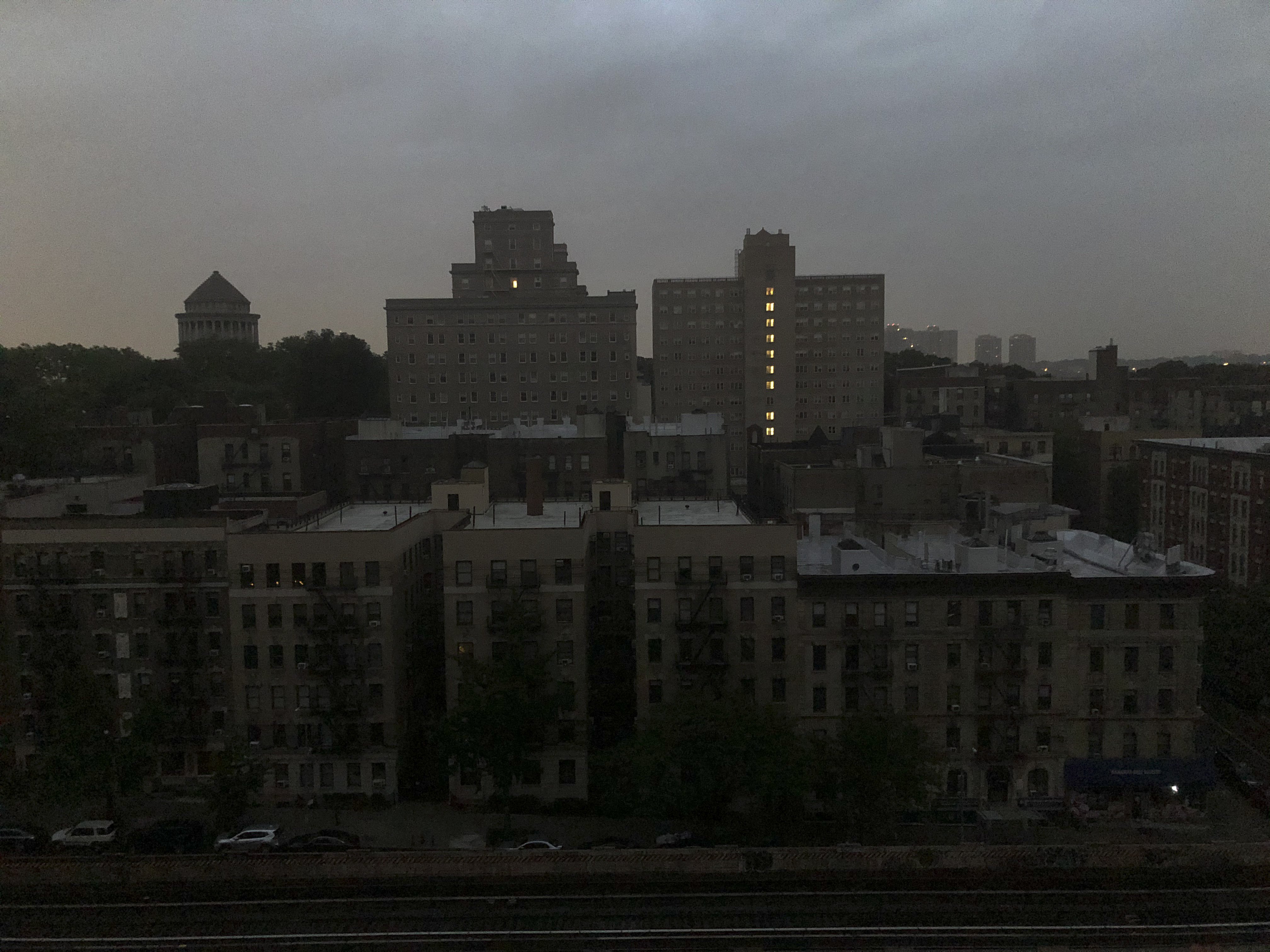
New York’s narrowing energy reserves expose the city—and its millions—to an uncomfortably precarious summer.
Mere degrees may separate comfort from chaos in New York this season. For the first time in over a decade, the city’s electric grid heads into summer with its thinnest operating cushion: reserve margins drooping below the 16% safety net long deemed essential. The message from officials is clear—prepare for the risk of blackouts, particularly should temperatures hover as they have with punishing regularity in recent years above 38°C (100°F).
A recent report by the New York Independent System Operator (NYISO), the body charged with keeping the state’s lights on, paints an unnerving picture. According to Rich Dewey, NYISO’s chief, the state is confronting “the lowest energy surplus in its history.” While contingency plans are ready, few find much solace in bureaucratic bravado when the margin for error is so meagre.
At local level, girding for grid failure is no longer just a hypothetical exercise. Already, last summer’s heatwaves exposed the fatigue in New York’s aging power network; several creaking plants failed to fire up, and imports from as far as Canada were needed to prevent borough-wide power losses. This summer, officials worry, could challenge the system still further.
Much of the trouble stems from infrastructure whose best days are well behind it. Many of New York’s power plants have spent half a century humming away—decades that have turned them into liabilities. Their aging turbines, corroded pipes, and outdated controls now mean higher risks of failure when every megawatt is needed.
Compounding the problem is bureaucracy’s cold embrace. State regulations, whatever their environmental intent, have made it punishingly slow to “repower” or replace obsolete generating units. Utilities find themselves hamstrung—caught between the drive to cut emissions and the necessities of reliable supply. Permitting for new or upgraded plants grinds on in a fog of red tape, as demand for electricity ticks higher.
Demand, in kind, has not stood still. A swelling population, flourishing manufacturing, and legions of air conditioners whirring through longer, hotter seasons all strain the city’s capacity. National Grid, a major supplier, reports that although blackouts are rarer than in previous decades, peak demand is brushing up against the available supply during heatwaves—a warning sign if ever there was one.
Nor is this risk mere alarmism. Last year’s scrambles—importing electrons from the Midwest at a premium, running emergency diesel generators, spending millions to stave off disaster—provided a live demonstration of the city’s vulnerability to extreme weather. The sector still wears the scars, cognizant that next time, luck may run out.
Residents, too, sense the shift. Even as prices rise—thanks to both global market jolts and local generation constraints—they are being asked to do more with less: curbing air conditioning, staggering appliance use, or preparing for possibly stifling nights. The prospect bodes ill for the city’s low-income households, for whom a blackout can mean risk to both health and basic dignity.
Aging supply, hesitant policy
The situation in New York is far from unique. Across the United States, legacy grids built for a cooler, less populous nation are sagging under new strains. The energy transition—towards renewables, away from natural gas and coal—holds long-term promise, but in the near term it demands redundancy, investment, and regulatory clarity that are often notable by their absence.
States with stronger reserve margins, such as Texas and California, have hardly been immune to trouble of their own; neither geography nor grid size immunizes against the consequences of underprovision or neglect. What is peculiar to New York is the combination of old infrastructure, onerous permitting, and a dense, heat-vulnerable population.
Globally, advanced cities report similar struggles. The push for electrification—of vehicles, heat, industry—has made dependable supply harder to guarantee, especially where grid upgrades lag or aging power stations eke out their final years well beyond their intended lifespan. Blackout warnings are now as familiar in Paris or Tokyo as they are in Brooklyn.
New York’s predicament, however, carries extra weight—not merely for its own residents, but because the city remains a bellwether. When the world’s pre-eminent urban agglomeration cannot guarantee reliable current, questions must be asked: Are policy priorities properly aligned? Has innovation been stymied by risk-aversion or regulatory sclerosis?
The answers, though, need not be fatalistic. Markets, when allowed scope, have proved they can accelerate supply—witness the rapid interval between solar or wind project proposals and generation in more nimbly regulated settings. The challenge for New York, and cities like it, is to clear the bottlenecks before failure becomes routine.
For now, we reckon the city will scrape through, albeit perhaps with frazzled nerves and more than a few sweltering evenings spent in candlelight. The larger lesson is less comforting: doing nothing—or doing things achingly slowly—is no longer an option. An overhaul of policy, permitting, and investment is long overdue if New York is to keep its lights—and its stature—bright.
The stakes of inertia are glaringly clear; whether action follows remains an open question. New Yorkers, for their part, may have to add a backup flashlight and a fan to their summer survival kits. ■
Based on reporting from El Diario NY; additional analysis and context by Borough Brief.