Nearly Half a Million New Yorkers Face Health and Food Aid Cuts as July Looms
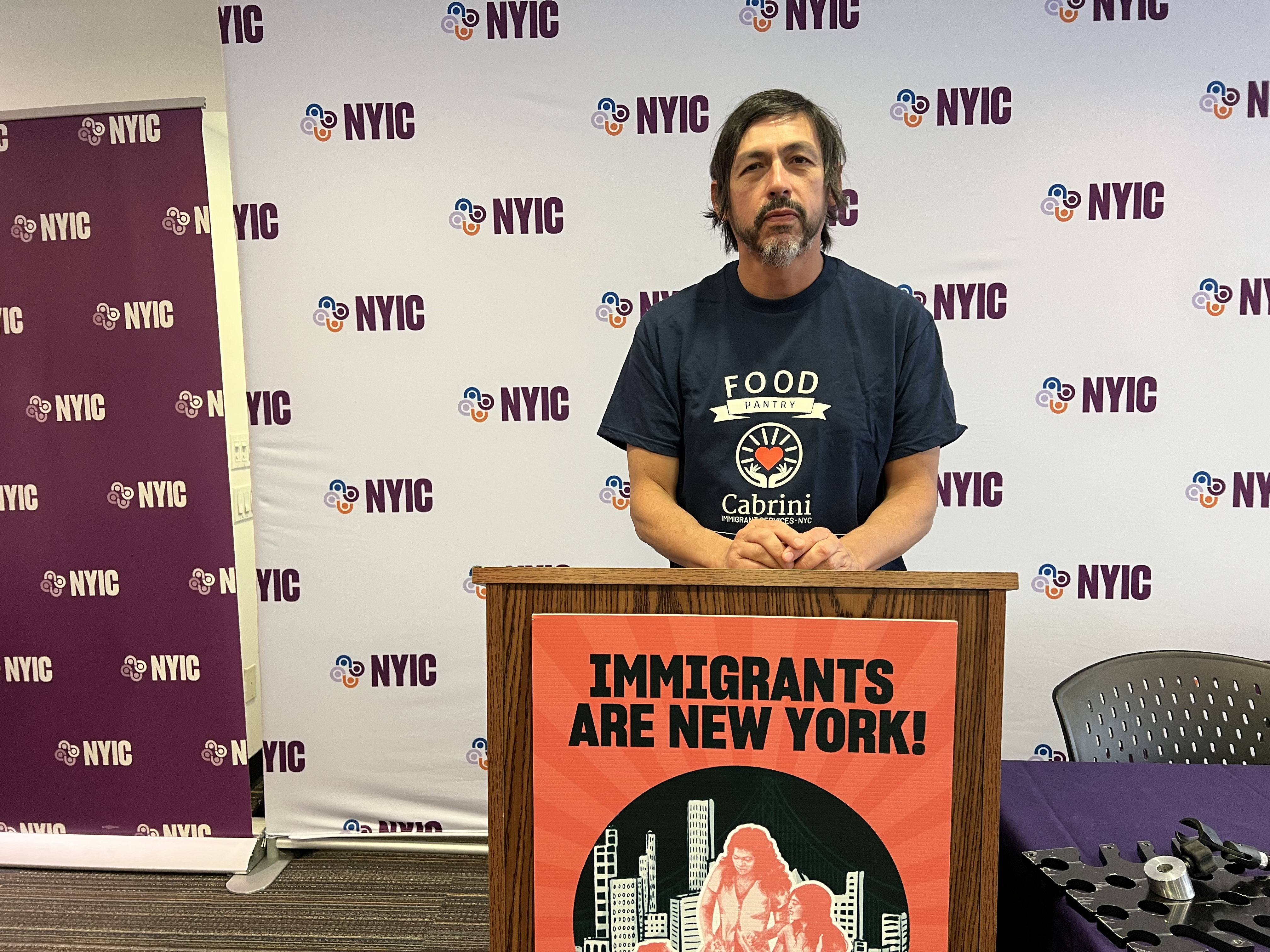
New York faces a looming health and food insecurity crisis as federal cutbacks and shifting eligibility threaten coverage and aid for nearly half a million residents.
María Eugenia Rodríguez had grown used to the reassuring constraints of her “Essential Plan” card. Soon, that modest slip of plastic will become a souvenir. On July 1st, she—along with some 450,000 other New Yorkers—will lose public health insurance coverage as federal funds dry up and eligibility rules are tightened. For many, this portends more than a bureaucratic headache; it puts both their medical security and their household budgets in the balance.
The scope of the impending cut, confirmed by local advocacy groups and city food pantries, is considerable. Not only will nearly half a million lose access to affordable doctors and medication, but changes to the city’s SNAP (food stamp) system threaten to make groceries pricier and scarcer for vulnerable families. The New York Immigration Coalition (NYIC), among others, has sounded the alarm. As Carlos Arnao, its head of health communities, notes, the city and state budgets—due for closure before July—will determine whether a public health calamity is averted or compounded.
At the core of the debate is a practical but fraught political reality: the Essential Plan, instituted in the wake of the Affordable Care Act, has been a bulwark against the sort of catastrophic medical bills that can tip a working-class budget from tight to dire. Its proposed gutting comes via a classic bureaucratic shuffle: a mixture of federal cost-sharing reductions and new limits on eligibility, intended, so Washington and Albany say, to curb fraud and tighten fiscal levers. The result, however, is a vast swathe of New Yorkers who will immediately find themselves uninsured.
New York’s safety net, never particularly plush, will fray further. The risk, warn health care advocates like Javier Ramírez Barón of Cabrini Immigrant Services, is a feedback loop in which those denied routine care eventually clog hospital emergency rooms in greater numbers. Not only does this increase the cost per patient—the average ER visit in New York now exceeds $1,100—but it burdens the city’s already overtaxed public hospitals, which are unlikely to stretch to meet demand.
Budgeteers in both City Hall and Albany find themselves at an impasse. State Senator Gustavo Rivera has put forward legislation to plug the coverage gap, at least partially, but even its supporters quietly admit its prospects are tepid. Governor Hochul’s office has made optimistic noises, but the realpolitik of rising costs—and the unpredictable fetch of federal largesse—leaves the outlook murky. Mr Arnao, surveying the scene, reckons that “something” may pass in the budget, but confesses it will probably be “not enough.”
A dual squeeze on health and hunger
If health insecurity were the sole dilemma, that would be crisis enough. But with SNAP benefits also under threat—thanks again to shifting eligibility and the expiration of pandemic-era boosts—the spectre of a “food cliff” haunts low-income New Yorkers. Food pantries, such as Good Shepherd’s in Inwood, already report demand bending upward to post-pandemic highs. Their volunteers, who now hand out groceries to lines around the block, foresee little reprieve in the months ahead.
Left unchecked, the implications ripple outward: children missing meals, working adults forced to choose between rent and prescriptions, a public health scenario that risks becoming chronic rather than episodic. Politically, this confluence of cuts may prove more combustible than either one individually. Local elections, little noticed outside Gotham, could pivot in unexpected directions as affected communities flex their numbers at the ballot box.
Remarkably, America’s richest city seems perennially shadowed by Dickensian realities. As federal and state priorities have veered—from pandemic relief to fiscal retrenchment—the urban poor have watched one plank after another kicked out from under them. Nearly 13% of city households experienced food insecurity in 2022, per the city’s Department of Health; this number, absent systematic intervention, looks set to swell.
The United States, notoriously allergic to universal health care, is hardly unique in grappling with the twin challenges of coverage and food access. But a comparison with peer cities—London, Paris, even Toronto—reminds us how puny the American safety net remains. Each of those cities maintains a basic minimum of health and nutritional support, cushioning economic shocks and, perhaps counterintuitively, reducing long-term government outlay.
Still, New York has always equipped itself with a rough-edged but determined sense of civic improvisation. The city commands the financial muscle—the 2024 budget tops $112 billion—and entrepreneurial civil society to ameliorate at least some impacts, if it chooses. The question, as this budget night approaches, is whether will matches ability.
We find it hard to endorse the logic of short-term fiscal parsimony in matters so plainly linked to public well-being. History suggests false economy: shrinking insurance rolls now only shunts costs onto emergency rooms and city agencies later. The same is true, mutatis mutandis, of food stamps. Cheapness in social spending is a chimera; in the end, the bill comes due, and it is both larger and more painful than a more mundane line item in Albany or City Hall.
Neither city nor state can forestall all harm. But to do nothing is to risk another disease surge, and with it a collapse in one of the city’s undervalued assets: trust in government’s basic ability to keep the lights on. The Legislature and City Council should seize the opportunity to buffer the most vulnerable. The alternative, as even the driest spreadsheet will show, is costlier. In New York, the nation’s economic engine, such stinginess may prove dear indeed. ■
Based on reporting from El Diario NY; additional analysis and context by Borough Brief.