MTA Orders 2,390 New R262 Subway Cars for 2030 Rollout, Open-Gangways Included
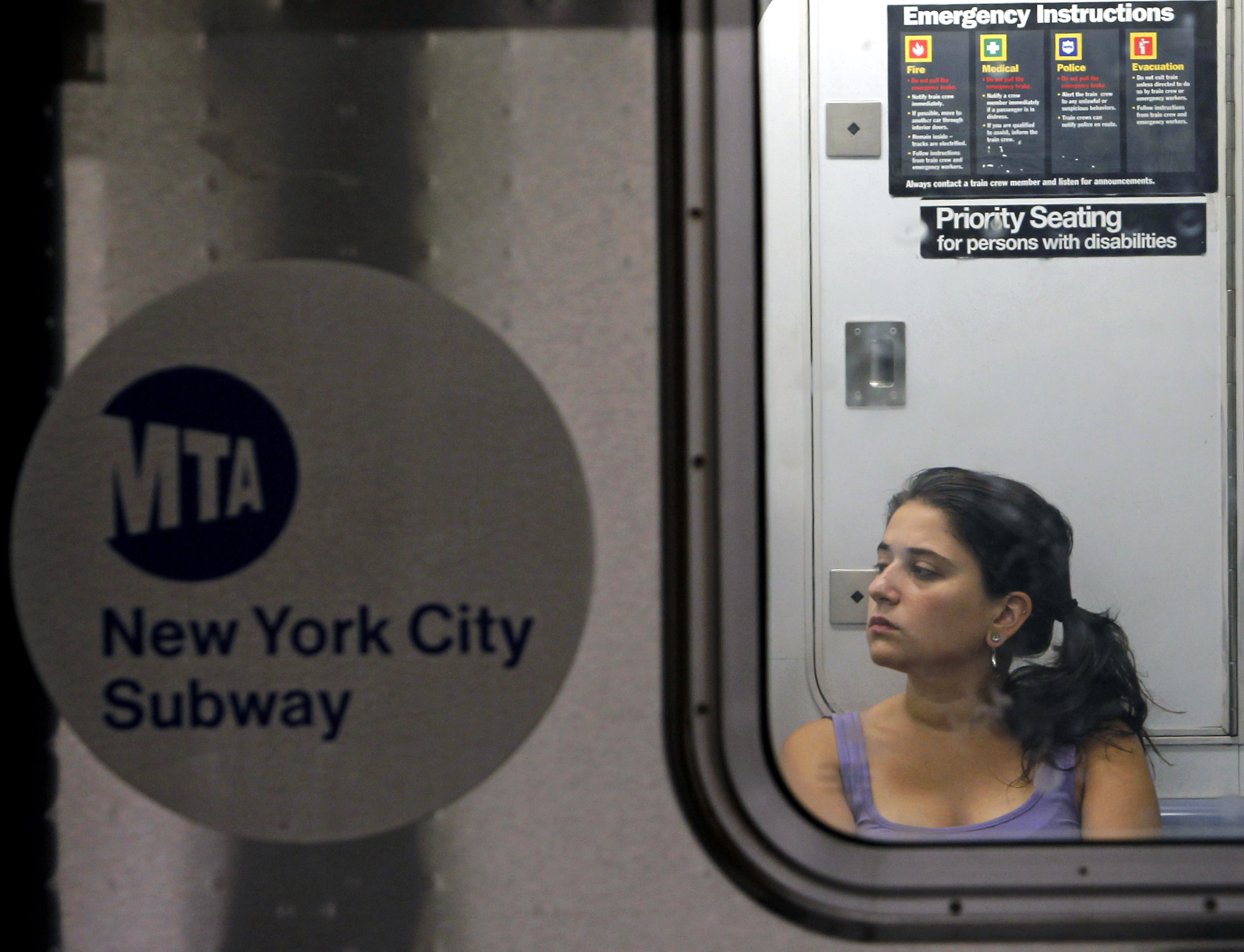
New rolling stock promises to bring New York’s antiquated subway into the 21st century, with profound implications for mobility, safety, and urban life in America’s largest city.
For a metropolis that never sleeps, New York’s subway has long seemed somnolent, at least in terms of the rolling stock that keeps its 3.8 million daily riders moving. The last time the city undertook a full-scale modernisation of its train cars, Ronald Reagan was in the White House and Manhattan’s skyline was yet to be punctuated by the likes of the One World Trade Center. Now, after more than 40 years of incremental fixes and cosmetic improvements, the Metropolitan Transportation Authority (MTA) has committed to a generational leap: the wholesale replacement of its ageing 1980s-era subway cars with 2,390 gleaming new R262s.
Unveiled in late May, what the MTA touts as the largest single order of rolling stock in its 118-year history is less an act of nostalgia than necessity. The R262 project envisions a citywide overhaul, with the first cars arriving around 2030 via a hotly contested international tender. These new trainsets will, if the agency’s schedules can be relied upon, gradually phase out thousands of beleaguered R62 and R62A models—once symbols of renewal, now workhorses well past their technological prime.
This fleet refresh is anything but cosmetic. The R262s will offer open-gangway designs, the likes of which have never graced the numbered lines of New York’s subway. Passengers will finally be able to traverse the full length of a train, easing the claustrophobic crush at rush hour and better distributing crowds. Open passageways, now standard in Paris, Toronto, and Beijing, offer not only more personal space, but facilitate faster evacuations and clearer lines of sight in emergencies—no small consideration in the city’s occasionally fraught underground.
The new trains will also be festooned with surveillance cameras and closed-circuit television, features as contentious as they are novel in New York’s storied battle with underground crime. Authorities see them as essential: persistent perceptions of risk, not to mention the isolated spate of headline-grabbing incidents, continue to spook would-be riders, holding back post-pandemic recovery of ridership. Greater visibility and monitoring may foster a climate of security—or, depending on one’s politics, surveillance.
The MTA is betting big that its new rolling stock will not merely look modern, but function with 21st-century efficiency. Each car is projected to travel 200,000 miles before needing repair, more than double the current average of a paltry 89,000. If delivered, such reliability could slash maintenance expenses, free up capital for other upgrades, and—crucially—reduce maddening mid-commute delays. The goal, says the agency, is a subway not just cleaner and safer, but more punctual and predictable.
For New York’s daily commuters, the immediate impact will, one hopes, be felt not just in shinier interiors but shorter intervals between trains, more tolerable rush hours, and fewer unplanned pauses in the tunnels beneath the city. Better reliability bodes especially well for the city’s working-class residents, whose livelihoods often depend on a subway that, to date, too frequently fails them. The gains may also be felt in outer-borough neighbourhoods traditionally short-changed by systemic neglect.
Second-order effects ripple outward. Fewer breakdowns and criminal incidents could persuade some drivers to abandon asphalt for the rails—critical for a city plagued by congestion and noxious air. More modern trains might also temper the system’s perennial financial woes: if investments in reliability and safety yield meaningful ridership gains, the MTA’s ponderous budget deficit may grow a little less intractable. That, in turn, might embolden Albany lawmakers to fund further upgrades across buses and regional rail.
The investment carries political tinge. For decades, the stuttering state of the subway has been a perennial cudgel wielded by New York’s mayors and governors against one another. Governors from Mario Cuomo to Kathy Hochul have found themselves embroiled in disputes over funding, priorities, and credit-taking. A visible overhaul of the subway’s rolling stock provides politicians photos ops aplenty, and—if the project stays on time and budget—some rare validation. But as ever with megaprojects, voters are right to remain sceptical: delays and overruns are as endemic to MTA procurement as rats to the subway tracks.
A world of trains, a city of expectation
Globally, New York’s update is less radical than overdue. Cities from London to Singapore have for years fitted their metros with open-gangways, smart surveillance, and trainsets designed for both robustness and comfort. The R262 order may be the largest in the MTA’s annals, but compared to some megacities, New York is belatedly playing catch-up. Yet even a belated upgrade here matters: the city’s subway system, the largest in the Americas, offers a bellwether for urban mass transit strategies across the United States. Other American networks, often smaller and more resource-starved, watch New York for cues about cost, design and, perhaps above all, public buy-in.
A question remains about how quickly—and equitably—the R262s will reshape all corners of the subway map. The MTA’s credibility has at times seemed as creaky as the R62s themselves; past procurement misadventures (see: the protracted delivery of the R179s) sow doubt about timelines, integration and cost controls. Should the project founder, critics will rightly indict an agency that has spent decades promising a turnaround.
Nonetheless, measured optimism is not misplaced. With international tendering, the agency stands to court both innovation and keener pricing. The open design and upgraded technology are proven, not theoretical. If supply chains are well managed—no mean feat in a post-pandemic world—delivery on expectations should be plausible, if not quite swift.
The logic is rarely more compelling than now. As telework and hybrid arrangements sap ridership growth, the only plausible path to wound back deficits and citywide inclusion is a subway system that withers neither from age nor obsolescence. Showing that big cities can maintain and renew their vital infrastructure sends a powerful, if belated, message—to New Yorkers, to the nation, and to the world.
If all goes to plan, New Yorkers will step aboard R262s in their millions before the decade is out, finding in their daily grind an experience less defined by anxiety and antiquity. For a city forever in motion, that may be as close to permanence as one dares hope. ■
Based on reporting from El Diario NY; additional analysis and context by Borough Brief.