MTA Launches $68 Billion Subway Car Overhaul as 1, 3, 6 Riders See First Upgrades
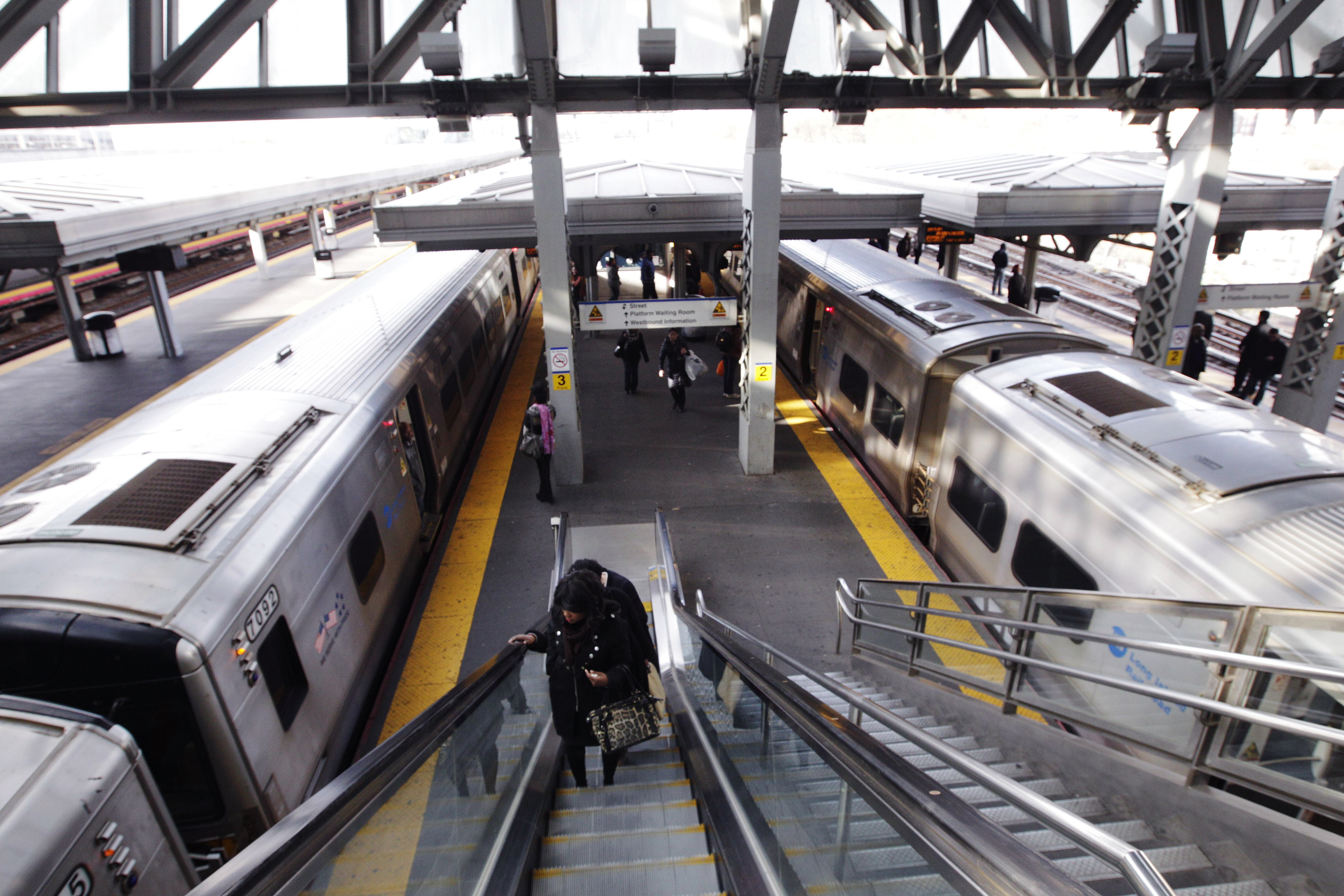
After decades of weary clatter, New York’s subway embarks on a $68bn bid to regain the trust—and business—of a city dependent on its rails.
The groan of a 50-year-old subway car hurtling beneath Lower Manhattan is less industrial nostalgia than civic liability. Some 2.4 million New Yorkers—more than the population of Houston—use the subway each weekday, relying on a fleet that would look familiar to Ed Koch. As delays accumulate, air-conditioning wheezes, and safety concerns mount, complaints about the city’s “moving basement” grow harder to dismiss. Now, the Metropolitan Transportation Authority (MTA) is betting, on a scale unseen on American rails, that gleaming steel carriages can restore faith in public transit, and perhaps in the city itself.
On June 13th, the MTA announced a request for proposals to manufacture as many as 2,390 new subway cars—the largest such order in its history. Backed by Governor Kathy Hochul and part of an eye-watering $68bn capital plan, the initiative intends to replace roughly a third of New York’s 6,574-car fleet. If all options are exercised, this procurement would dwarf the total numbers operated by Boston, Chicago, and Washington combined—a testament to the subway’s extraordinary role as the city’s circulatory system.
Initially, the MTA will place a firm order for 1,140 cars, with the remainder contingent on performance and funding. The project targets the most antique rolling stock, particularly trains still rattling along lines 1, 3, and 6, many of which date back to the Reagan era and before. The authority estimates that first deliveries could enter service in the early 2030s—long overdue, if you ask the shivering masses who daily jostle for space on aging platforms.
The technical ambitions are not modest. New cars will be lighter, their propulsion greener and more efficient. Enhanced braking promises shorter stopping distances and fewer mechanical failures. The much-touted “open gangway” design, standard in London and Paris but still novel for New Yorkers, allows unimpeded passage between carriages—potentially easing crowding, which on some rush-hour trains is less a matter of comfort than survival.
These improvements reach beyond mere aesthetics. Fewer breakdowns mean more reliable commutes; smoother rides reduce injuries and energy costs. The MTA hopes such upgrades will help stem the system’s chronic “fare evasion,” which last year cost the agency more than $700 million. A cleaner, brighter, and safer subway, it reasons, is harder to ignore during fare hikes—not to mention for leaders pondering future congestion pricing.
For millions of New Yorkers, the subway is the city’s economic engine—a determinant of job access, real estate value, and the rhythms of urban life. Chronic unreliability undermines that engine, fraying employer patience and quietly discouraging in-person work. Even before the pandemic, declining ridership and sagging investment threatened a “doom loop” of deteriorating service and falling revenue. The financial sums are puny compared to the cost—in lost productivity and opportunity—of a broken subway.
Still, temptation abounds to overstate the power of new cars to remedy all woes. The MTA’s subway is not only old, but patchworked: outdated signalling, rickety stations, and recurring labor strife will not yield to shiny rolling stock alone. Nor should one expect that $68bn, much of it already earmarked for other projects, will land with unalloyed alacrity; the agency’s historical lurches between ambition and execution are notorious in transit circles.
Other cities, other playbooks
Yet, globally, such investments are standard fare where urban mobility is prized. London’s Crossrail—the Elizabeth line—arrived three years late but now sets a benchmark for performance and ridership. Paris continues to roll out new automated trains across its Metro and RER networks, while Tokyo refreshes rolling stock with an efficiency that feels almost un-American in its precision. Comparisons are sobering: New York’s stubborn reliance on cars approaching pension age is an international anomaly, not the norm.
Politically, the project may offer rare common ground. Transit upgrades are one of the few public investments that attract support across New York’s mosaic of constituencies, from Wall Street to the Bronx. Contractors, manufacturers, and unions are poised to gain. Yet delays and overruns could hand ammunition to vocal opponents of public spending, particularly if fare increases are seen as unaccompanied by tangible progress.
The risks are not trivial. A city that delays transit modernisation risks bleeding young talent and employers to sunbelt cities with smoother commutes. Real estate executives, not known for sentimentalism, already note a subtle correlation between subway reliability and demand for Class A office space. For New Yorkers less able to work remotely, the stakes are even higher—a prompt, safe subway is both a social and economic necessity.
All of which nudges the city’s leaders toward the prosaic, if essential, task of shepherding this behemoth programme to completion. Elected officials must resist the temptation to meddle once the ribbon-cutting photographs fade. The MTA, long a haven for inefficiency, will need a firmness of management—and a dash of humility when things go wrong—that it has rarely displayed.
For all its challenges, the city’s subway embodies a hard-won, workaday cosmopolitanism, transporting strivers, tourists, and everything in between. Replacing half-century-old cars will not, on its own, make New York more liveable or its government more competent. But should the MTA deliver on its promise—a New York as ambitious in its infrastructure as in its legend—it may yet quiet the city’s most persistent grumble, one train at a time. ■
Based on reporting from El Diario NY; additional analysis and context by Borough Brief.