MTA Halts 7 Train Between Queens and Manhattan Two Weekends for Repairs, Patience Not Included
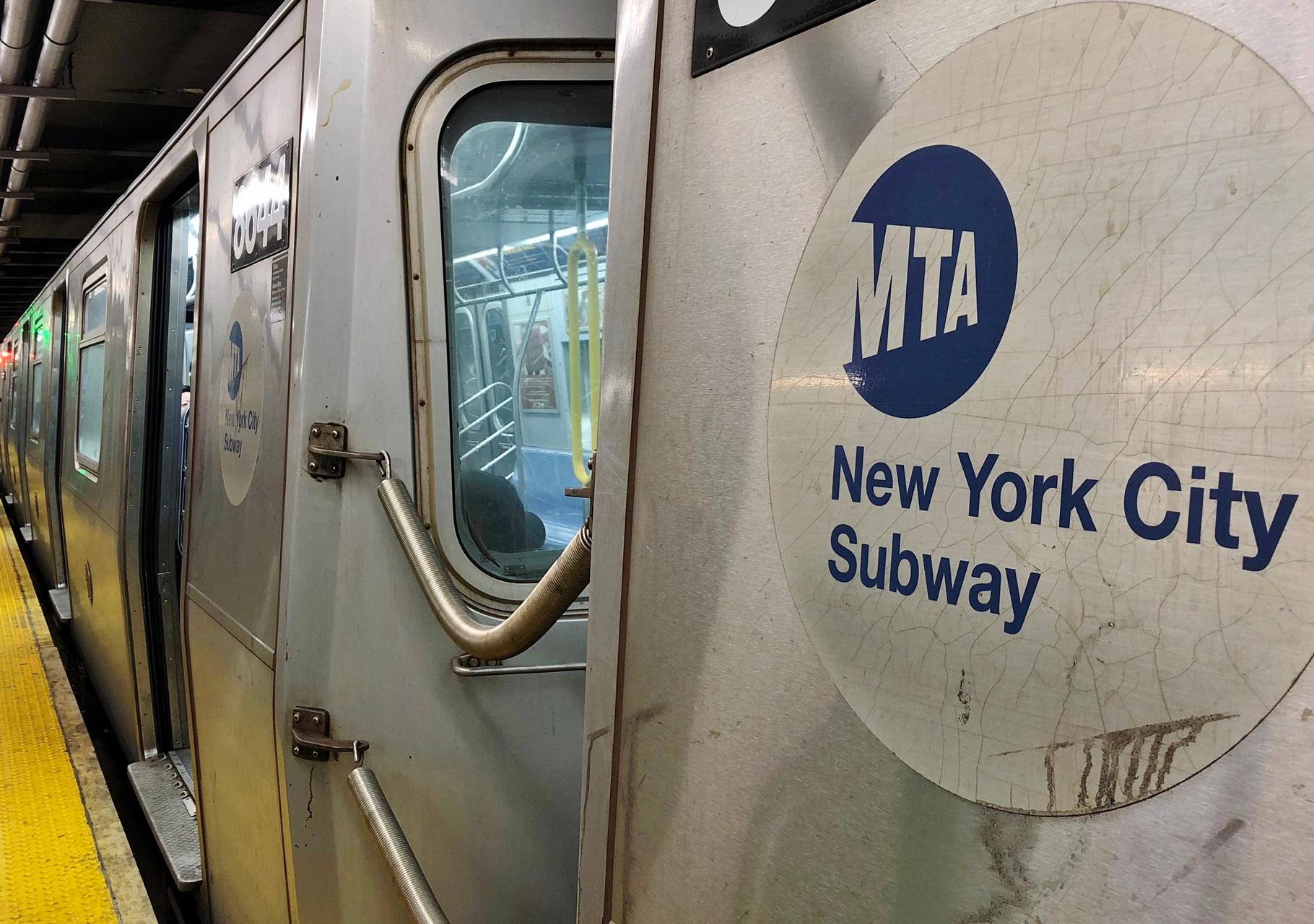
Repair-induced suspension of the 7 train is an urban inconvenience—but a necessary prelude to a safer, more resilient New York subway.
By some counts, more New Yorkers commute by the 7 train each weekday than live in entire American cities—over half a million rides funnel through its stations on a typical workday. For two weekends in May—including the travel-heavy Memorial Day—this lifeline between Queens and Manhattan will run silent. The Metropolitan Transportation Authority (MTA), never revered for perfect timing, has chosen this period to shutter the 7 between 74 St-Broadway in Queens and 34 St-Hudson Yards in Manhattan, citing “critical upgrades” across stations and the flood-prone Steinway Tunnel burrowed beneath the East River.
The closures, from late evening on May 8th to the morning of May 11th, and repeating the weekend of May 22nd, amount to a forced migration for the city’s straphangers. Hundreds of thousands must detour through unfamiliar bus routes, rerouted local trains, or the altogether glum prospect of more expensive car services. For a borough where the median household income still lags the citywide average, even a few unexpected taxi rides dent the wallet.
At root, the MTA’s works target decades of wear and tear. The labyrinthine 7 line, with its century-old tunnels and stations, demands continual triage: platforms are being restored, water-seepage defenses shored up, and accessibility bolstered (still lagging far behind New Yorkers’ reasonable expectations). The MTA promises that express trains will run local over the affected stretches, with some stations—such as 52 St and 69 St—seeing no service at all.
For daily riders, these nuances spell disruption. Travellers will need to change trains at unaccustomed transfer points such as Junction Blvd or Mets-Willets Point, the latter more famous for baseball and parking lots than as a node of urban mobility. Customers wishing to access east Queens stations abandoned during the suspension must hoof it to Woodside or Queensboro Plaza, both already heaving at peak hours.
Queens is no backwater; it is a borough of two million, many of them new immigrants. The 7’s routine is their routine, linking jobs in Manhattan, school in Long Island City, and homes as far afield as Flushing. Transit-dependent families juggling multiple jobs and long commutes will fare the worst; they lack the supple work schedules and app-based alternatives enjoyed by the city’s digital élites.
It is, however, a systemic necessity. Ageing subway assets frequently portend safety risks and spiralling repair bills, as transit agencies from London to Tokyo well know. Sandy, the last major hurricane to slam New York, left the Steinway Tunnel encrusted with salt and corrosion—a reminder that the city’s substructure was not built for a climate-changed era. Flood protection is as much an insurance policy for the city’s GDP as for soaked commuters’ shoes.
The short-term hitch in movement casts a long shadow over local businesses too. For purveyors of dumplings in Flushing or small retailers along Roosevelt Avenue, a muted weekend footfall can mean a puny margin. Here, the logic of deferred maintenance collides with the pocketbooks of working-class New Yorkers.
Worse, these closures may sap already tentative public confidence in the city’s mass transit. Ridership teeters below pre-pandemic buoyancy, despite the MTA’s best efforts. Temporary reroutes, even with shuttle buses and trilingual signage, are never as frictionless as MTA press releases suggest. For a city aspiring to reduce car dependency, every seamless subway trip counts; every bumpy reroute hands ammunition to the car and ride-hail lobby.
A necessary price for a modern city
Contrast, though, with the national backdrop: across the United States, urban rail networks languish from a lack of investment or political will. New York’s MTA, for all its labyrinthine bureaucracy and Byzantine budgeting, at least seems to reckon with the necessity of modernisation. By European standards this is unambitious; by American standards, it verges on visionary. The Biden administration’s infrastructure law may shake loose more funds, but if New York cannot keep its single most multicultural corridor running, what hope for transit elsewhere?
Still, the messaging could be crisper and the planning less perverse. That closures coincide with Memorial Day—a period of family gatherings and cultural festivals across Queens—does little to dispel New Yorkers’ suspicions of official indifference. The array of alternative options, though real, risks overwhelming all but the most dedicated transit nerds.
In a city so addicted to velocity, the irritation is palpable yet predictable. But the alternative—limping on, postposing overhauls until calamity strikes—is riskier still. When subway closures make headlines, it is seldom because the work was done too early.
If the MTA gets its sums and its scheduling right, the repairs will be quickly forgotten, save for fewer slip hazards and sturdier tunnel linings. New Yorkers, after all, possess an urban gallows humour that sees them through far worse. But if this sort of disruption becomes habit rather than exception, patience—and the city’s economic dynamism—may ebb.
For now, then, passengers can only plan, improvise, and mutter about the cost of progress. If a stronger, more accessible 7 line emerges at the end of these weeks, the ordeal will have been a tolerable down payment on a more resilient metropolis. The city—and its subway—cannot afford to stand still. ■
Based on reporting from El Diario NY; additional analysis and context by Borough Brief.