Measles Cases in Manhattan and Nassau Test New York’s Herd Immunity—Travel, Not Panic, Advised
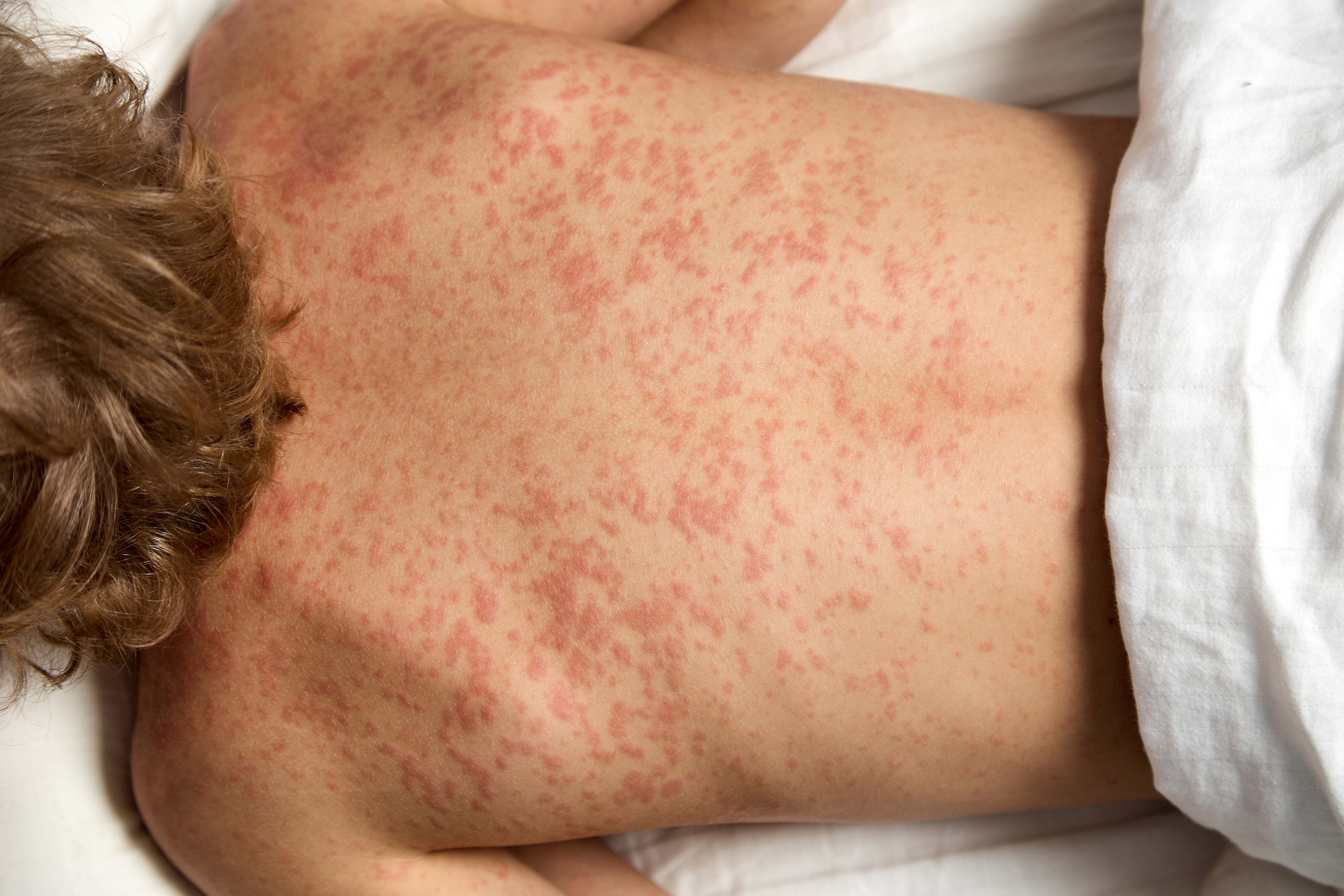
With measles cases emerging in Manhattan and Long Island, New York’s vaunted herd immunity faces a fresh test from unvaccinated travellers and global outbreaks.
On a drizzly evening in late April, opera-goers at New York’s Metropolitan Opera were treated to more than the aria. Days later, city health authorities confirmed a measles case among audience members, after an unvaccinated adult returning from abroad unwittingly shared the performance—and possibly the airborne virus—before developing the telltale rash. The episode is a microcosm of New York City’s challenge: once nearly vanquished, measles is again prowling the city’s cosmopolitan sprawl.
Health officials have confirmed two separate cases this spring: the Met Opera attendee in Manhattan and a five-year-old in Nassau County, Long Island, neither immunised. The child—the region’s first such case in two years—had recently travelled outside the country and, mercifully, does not attend school or daycare, reducing his contact with others. Still, the events have rattled public health authorities, who were quick to issue alerts and pinpoint possible exposure sites, including an Italian restaurant in Hell’s Kitchen.
Both patients’ international itineraries highlight a key vector behind the national uptick. According to the Centers for Disease Control and Prevention (CDC), most American cases of measles in 2026—so far numbering in the hundreds—can be traced to travel from countries with ongoing outbreaks and insufficient vaccination. New York’s department of health moved to notify those potentially exposed, but as yet, reports no related secondary infections.
For most New Yorkers, the risk of a runaway outbreak remains low. City and state vaccine coverage, at around 92% for young children, is comfortably above the 95% considered ideal to stymie transmission. This achievement, however, belies pockets of vulnerability, particularly among anti-vaccination subcultures and recent immigrants who may lack access, confidence, or information about immunisations.
Local doctors, for their part, sound a note of caution. Measles is, as several specialists put it, “among the most contagious diseases on earth.” The virus lingers in the air for up to two hours after an infected person departs—one cough, and a restaurant’s entire dinner service could be exposed. Symptoms, quaintly medieval (high fevers, watery eyes, a distinctive rash) can be deadly for the very young, immunocompromised, or the unlucky.
A small cluster can quickly escalate. The city’s last major measles outbreak, in 2019, saw over 650 infections, mainly among Brooklyn’s Orthodox Jewish community, where resistance to vaccination runs higher than the citywide average. That episode prompted a brief but fractious debate over compulsory vaccination orders, foreshadowing battles witnessed nationwide during the Covid-19 pandemic.
New York’s bump in cases is reflected in a broader American—and global—phenomenon. Measles was declared eliminated from the United States in 2000, a crowning feat of postwar public health. Yet vaccine scepticism, declining routine immunisation rates during the pandemic, and persistent misinformation have eroded that bulwark in recent years. The World Health Organisation tallied a threefold rise in measles infections worldwide in 2024, with large outbreaks in Europe, Africa, and Asia seeding imported cases in the US.
One need not be a Cassandra to forecast that these trends, left unaddressed, portend further flare-ups. New York, with its torrid international arrivals and teeming public spaces, is peculiarly exposed. The economic toll of even a handful of cases is far from trifling: city officials estimate that the 2019 outbreak required over $7 million in emergency spending, between quarantines, contact tracing, and public campaigns—a sum equivalent to hundreds of childhood vaccinations per case.
The vexing arithmetic of prevention and trust
Authorities thus face a conundrum: how best to preserve herd immunity in a city both global and stubbornly pluralist. Enforcement of school-entry vaccine mandates is generally robust, but loopholes—medical or religious exemptions—remain. Outreach to hesitant populations is an imperfect science, where mistrust of government or conventional medicine runs deep. The city’s penchant for liberty leaves a residue of vaccine hesitancy too resilient for easy remedy.
Economically, the stakes are not limited to the health budget. Persistent outbreaks, even if circumscribed, chill tourism, destabilise small businesses (a single exposure can empty a restaurant overnight), and sap healthcare resources. An erosion of vaccination, left unchecked, could seed larger epidemics, rolling back decades of public health progress and, in the long run, deterring would-be residents or investors put off by a return of Victorian-era maladies.
Other metropolises watch New York’s experience with unease and, perhaps, a dash of schadenfreude. London, Paris, and Berlin have all registered similar flare-ups, driven by travel and by the slippery appeal of anti-vax conspiracy theories. Success stories—Lisbon, Stockholm—show that widespread, persistent education campaigns pay dividends, but require stamina and relentless repetition.
One lesson stands out: no city, however wealthy or cosmopolitan, can treat vaccine complacency as a matter of local preference alone. Pathogens owe no allegiance to zip code or passport; a gap in coverage in Brooklyn or Dakar can become a headline in New York in a matter of days. The fable of measles’ eradication is, we fear, looking more threadbare than triumphant.
For New York, then, the way forward is at once prosaic and perpetual: keep vaccination rates high, plug access gaps, and counter the quacks. The costs are modest; the dividends—economic stability, public trust, and, above all, fewer dinner parties interrupted by epidemiologists—are considerable. If the city wishes to avoid arias to its former glory days, it might do well to heed today’s modest alarm.
In a metropolis that has bet its future on openness, the real test for New York’s public health lies not in simply avoiding old scourges, but in persuading its people—and new arrivals—that vaccinations are as essential to civic life as the subway or sanitation. One infected diner or child can remind us—at considerable expense—that a bug vanquished is never fully extinct. ■
Based on reporting from El Diario NY; additional analysis and context by Borough Brief.