Mayor Mamdani Eyes Greener Public Spaces Citywide, Open Streets Offer Jackson Heights Template
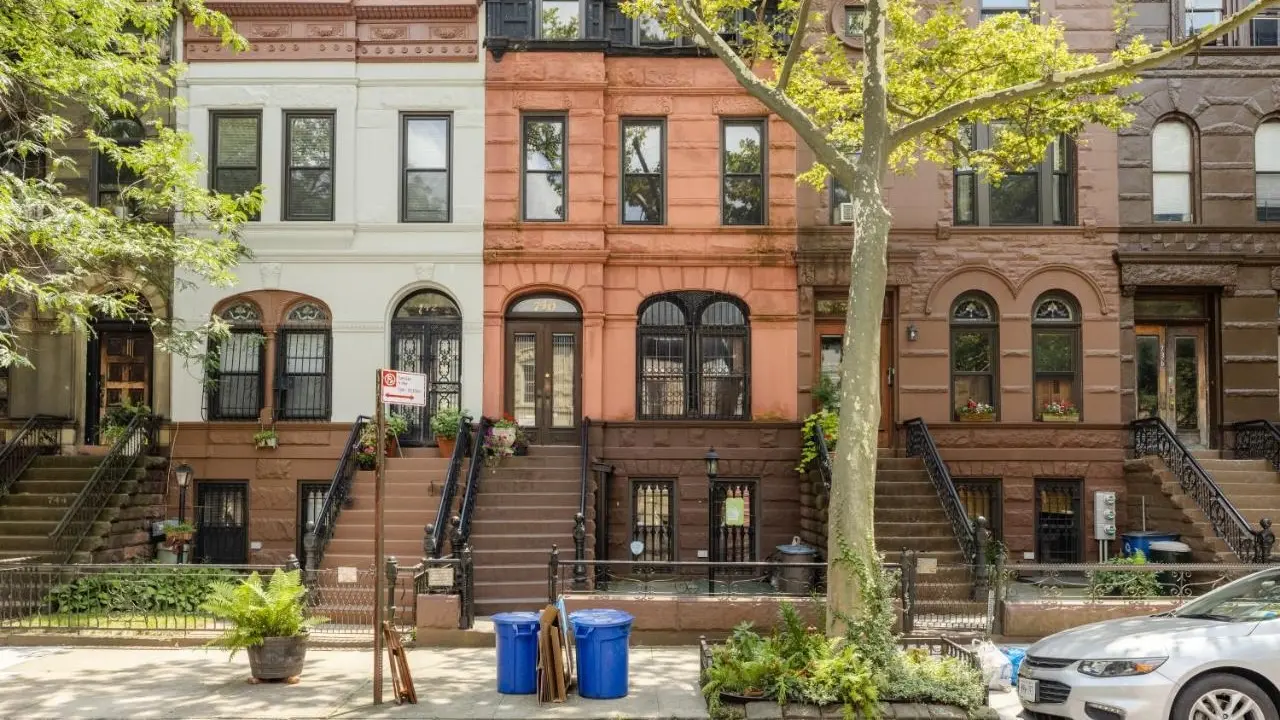
As demands on public space intensify, New York’s next experiments with streets and forgotten infrastructure could define the city’s livability and equity for a generation.
On a recent Saturday afternoon, the soundscape on Broadway in Manhattan was interrupted not by the familiar blare of car horns but the chatter of pedestrians languidly crossing stretches of road newly closed to through traffic. It is a tableau far removed from the city’s car-choked recent past, and one that portends an evolution in how New York treats its public realm: streets not just as conduits for vehicles, but as civic living rooms. A practical revolution is quietly unspooling, and City Hall seems intent on accelerating it.
During his first week on the job, Mayor Zohran Mamdani and his freshly minted transportation commissioner, Mike Flynn, announced an ambition that bordered on the audacious: to make the city’s streets the “envy of the world.” Set against New York’s perennial crises—affordability, safety, rising temperatures—such grand rhetoric might seem hollow. But, for once, the substance may match the slogan. Programs such as Open Streets, launched at the COVID-19 pandemic’s nadir in 2020, have already pried open possibilities. Streets in every borough have been, at least temporarily, handed over to people rather than cars.
The city is now poised to shift from improvisation to permanence. In Jackson Heights, Queens, the 26-block Paseo Park project, soon to be underway, offers a foretaste: a walkable, tree-lined corridor in one of the city’s most park-starved districts. This is not an isolated flourish. The city’s “Broadway Vision” promises to stitch together a patchwork of pedestrianized plazas and shared streets across Manhattan, forming a north-south greenway for urban flâneurs. And in Astoria and Williamsburg, the city’s own pilot “bike boulevards” hint at a model that could be replicated borough-wide.
First-order implications are already surfacing. More pedestrian and cycling space can breathe new life into neighborhoods, foster local commerce, and—according to city data—reduce injuries by up to 15%. For parents in park-poor corners, it means children spending less time dodging traffic and more time in safe play. For small businesses, it bodes a steadier stream of foot traffic, which tends to linger longer than hurried motorists searching in vain for a parking spot.
But pedestrian nirvana does not come gratis. The Open Streets initiative relies heavily on public-private math; in affluent districts, business improvement districts and local non-profits step in. In marginalized neighborhoods, the city must fill the gap, or else the benefits risk being as uneven as the city’s property values. Funding streams remain patchwork at best; estimates peg the cost of reclaiming a single thoroughfare at several million dollars, with ongoing maintenance a perennial headache for civic bean-counters.
Urbanists are quick to point to the second-order effects. Beyond the visible—safer crossings and shaded benches—there are subtler dividends: improved air quality, reduced heat from “urban heat islands”, and boosts to mental health attributable to increased social mingling. Public safety may also see indirect gains. By fostering natural surveillance—eyes on the street—such transformations historically reduce certain types of crime, though the effect can be modest.
Still, tensions persist. Delivery drivers lament longer routes; some older residents grumble about parking squeezed out by picnic tables. And the specter of “green gentrification”—when sparkling new parks drive up rents and displace the very communities they’re meant to serve—lurks over even the noblest initiatives. How Mayor Mamdani navigates these compromises could prove the real test of his vaunted “new era.”
A glance beyond the five boroughs puts New York’s efforts in both perspective and relief. Paris, under Mayor Anne Hidalgo, has championed “15-minute city” ideals and ripped out traffic lanes with Gallic gusto. Barcelona’s “superblocks” and London’s low-traffic neighborhoods have redrawn notions of urban mobility. New York, ever an uneasy hybrid of old world density and American car-centrism, sits somewhere in between—more ambitious than most American cities, but less radical than its European counterparts.
From brownfields to boulevards
Perhaps the boldest potential lies not just on the blacktop, but above and below it. The past decade’s reclamation of High Line and Little Island showed how forgotten infrastructure can be reborn as destination parks. Practitioners now float ideas ranging from decking over rail yards to converting brownfields into greenways—a nod to both climate resilience and the city’s vanishingly scarce open land.
Yet even proven models face real-world limits. Maintenance of shiny new spaces often falls to slender city agencies already juggling basic repairs, while community input—a catchword in City Hall press releases—sometimes descends into logjam or NIMBY-tinged inertia. Private philanthropy, as with Central Park, can work wonders, but replicating that template in the South Bronx or East New York looks less likely.
Nationally, the hunger for quality shared space only grows as America’s cities wrestle with climate shocks, frayed social trust, and dubious downtowns. If New York cracks the code—making parks and open streets as commonplace in the South Bronx as on the Upper West Side—it could offer a model for post-pandemic urban resilience from San Francisco to Cincinnati.
We remain cautiously buoyant. The city, ever a lodestone for urban experimentation, has most of the ingredients for a renaissance in the public realm: proven pilots, a supportive administration, and a citizenry well-practiced in rediscovering the city’s stoops and sidewalks. The crucial test will be political stamina—and whether the city can muster the funds and patience for slow, unglamorous upkeep.
Should City Hall resist the temptation to chase only marquee projects in tourist corridors, and instead spread its bets equitably, New York’s next era of public space may yet endure beyond the news cycle. No one expects miracles—just the rarest of New York outcomes: improvement for all, not just the affluent few. ■
Based on reporting from City Limits; additional analysis and context by Borough Brief.