Manhattan Rents Pass $4,000 as Vacancy Hits Lows and City Hall Seeks Answers
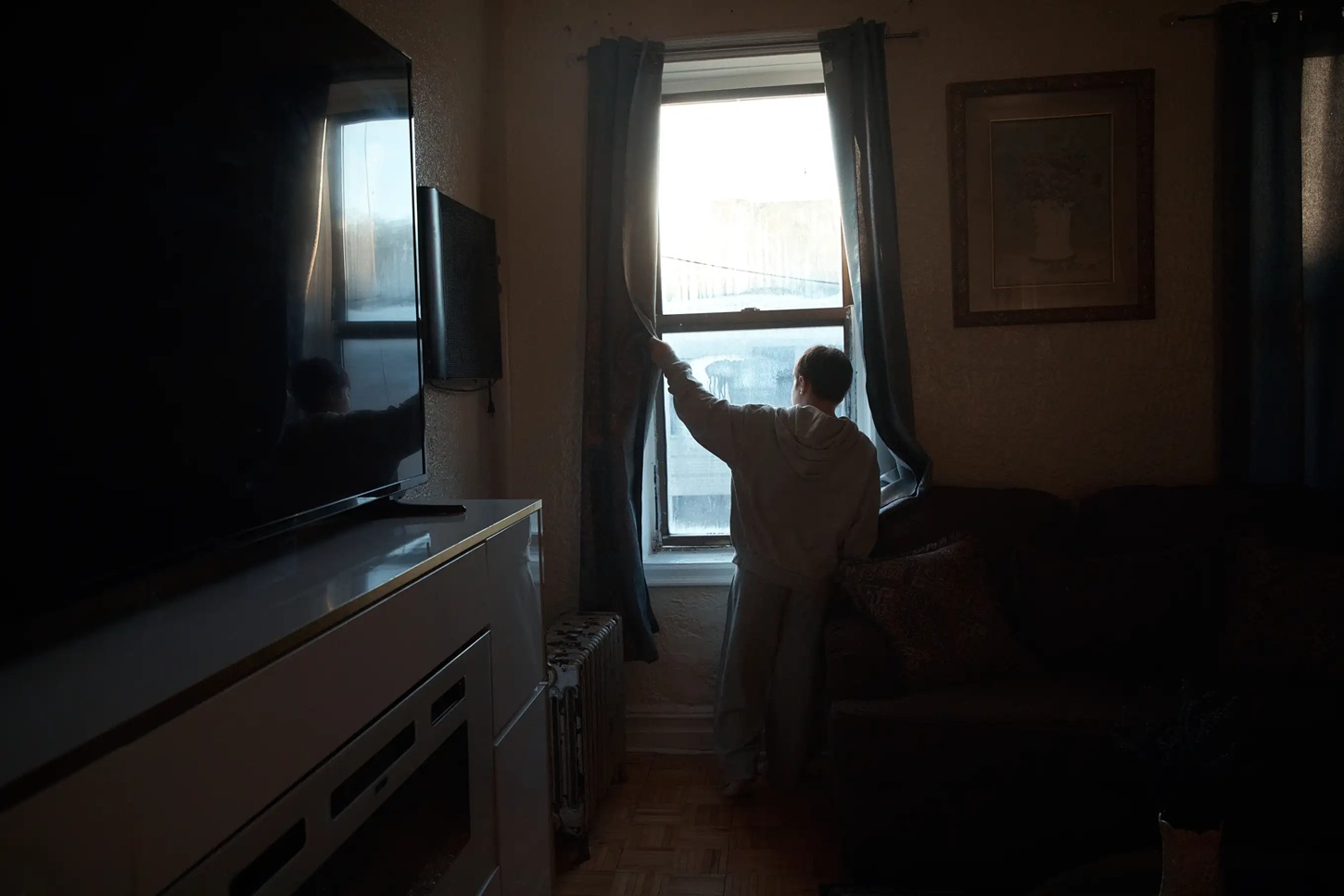
Ballooning rents in America’s priciest city are pinching wallets and prompting a reckoning with the limits of supply, policy—and the very idea of urban affordability.
It is now possible to walk the length of Manhattan and not find a single apartment for less than $4,000 per month. Even by New York’s storied standards of fiscal chutzpah, the city’s rental prices have become a byword for excess. This spring’s data confirm the astonishing: average monthly rents soared past $4,000 in core boroughs, with some listings fetching even more, and the citywide vacancy rate languishes around a paltry 1.4%—its lowest in decades.
Soaring rents, minuscule supply, and stagnant wages have combined to produce a housing crisis of formidable scale, thrusting the issue to the fore of city and state politics. The city’s mayor, Zohran Mamdani, has made curbing “abuses in the rental market” a central plank of his agenda. With fresh reports from the Associated Press and the US Census Bureau, the picture is stark: for millions of New Yorkers, housing costs now devour half or more of household incomes.
In raw terms, the arithmetic is punishing. Typical Manhattanites who rent now expend an average of $48,000 per annum on shelter—before tax, utilities or basic groceries. A growing share of families easily cross the threshold at which experts deem households “rent-burdened”—spending more than 30% of gross income on housing. For the working class, this is less a lifestyle choice than a fast track to insolvency.
The practical consequences are acute. With incomes lagging well behind the pace of rent hikes, many families must forgo healthcare, childcare, or savings. Some resign themselves to longer commutes in search of cheaper boroughs or are forced, in extremis, to leave the city altogether. The corollary: New York’s legendary socioeconomic dynamism may once again find itself imperiled by its own success.
Supply is the obvious choke point. New residential building has failed to keep pace with population growth and renewed in-migration, even as pandemic-era depopulation has reversed. The city’s vacancy rate—less than half the national average—means renters have precious little negotiating leverage. Analysts, citing figures from the Department of Housing and Urban Development, view the situation as structurally frail, with scant relief on the horizon absent more muscular intervention.
The politics are correspondingly febrile. Advocates for tenants, many emboldened by the perennial crisis, demand rent controls and expanded tenant protections. Property owners and developers, for their part, rail against regulatory friction—pointing to New York’s patchwork of zoning codes, slow permitting, and high construction costs. Mayor Mamdani has proposed a raft of modest measures, from closing loopholes to policing lease abuses. Yet, as so often, bold talk belies cautious incrementalism.
The economic impact hardly ends at the household. High rents compress disposable incomes, cramping consumption and reinforcing inequality. The city’s vaunted service industries—from restaurants to small retailers—find their workforces squeezed by the cost of simply living near their jobs. Already, some businesses report difficulty recruiting employees, a feedback loop that risks blunting New York’s famous energy and productivity.
This local crisis mirrors a national malaise. Cities from Boston to San Francisco are caught in similar binds: too little housing stock, overcooked rental markets, and public authorities alternately paralysed by NIMBY-ism and nimble inaction. Yet New York’s magnitude sets it apart. Few global metropolises combine this scale of unaffordability with such limited housing expansion. Even famously pricey cities like London or Tokyo exhibit, at times, more vigorous state or market-led building campaigns.
Compared globally, New Yorkers’ willingness to absorb punishing rents testifies to both the city’s enduring lustre and a collective resignation. Some positive portents exist: a rebound in post-pandemic population, resurgent labour-market demand, and the city’s indestructible cultural cachet. Yet unaffordable cities are rarely inclusive ones. There is a limit to how many aspiring artists, teachers, or baristas can be replaced by bankers and tourists before the spirit of a city withers.
The future of living in New York could hinge on supply-side shifts
For now, incrementalism reigns. Local politicians gingerly consider tweaks—some increased funding for affordable housing here, a pinch of tenant protection there. Yet without addressing root constraints, particularly the city’s sleepwalking zoning regime and obstacles to new construction, any gains will remain puny. For all of New York’s totemic status as the city that never sleeps, its housing policy has suffered from institutional torpor.
If New York wishes to remain a city for strivers and not just the comfortable, it must reckon with the economics of scarcity. That means confronting vested interests, upzoning select districts, and accelerating the approval of legal, multi-unit dwellings. It means, above all, a candid embrace of what the data already portend: the city is running out not merely of apartments, but of room for error.
Absent change, the lessons that emerge bode ill—not just for New Yorkers, but for the future of American cities writ large. The city’s eternal attraction will only go so far if the next generation cannot afford to answer its call. Ultimately, there is nothing inevitable about unaffordable housing—but reversing it will require more than rhetoric.
Should political will finally stir, New York may yet regain its balance: a capital not only of commerce and culture, but of possibility. Otherwise, each new rent record simply locks another door behind those who come after, even as lights flicker on in record-priced apartments. ■
Based on reporting from El Diario NY; additional analysis and context by Borough Brief.