Manhattan Rents Hit $4,950 Record as Winter Discounts Disappear and Midtown Surges
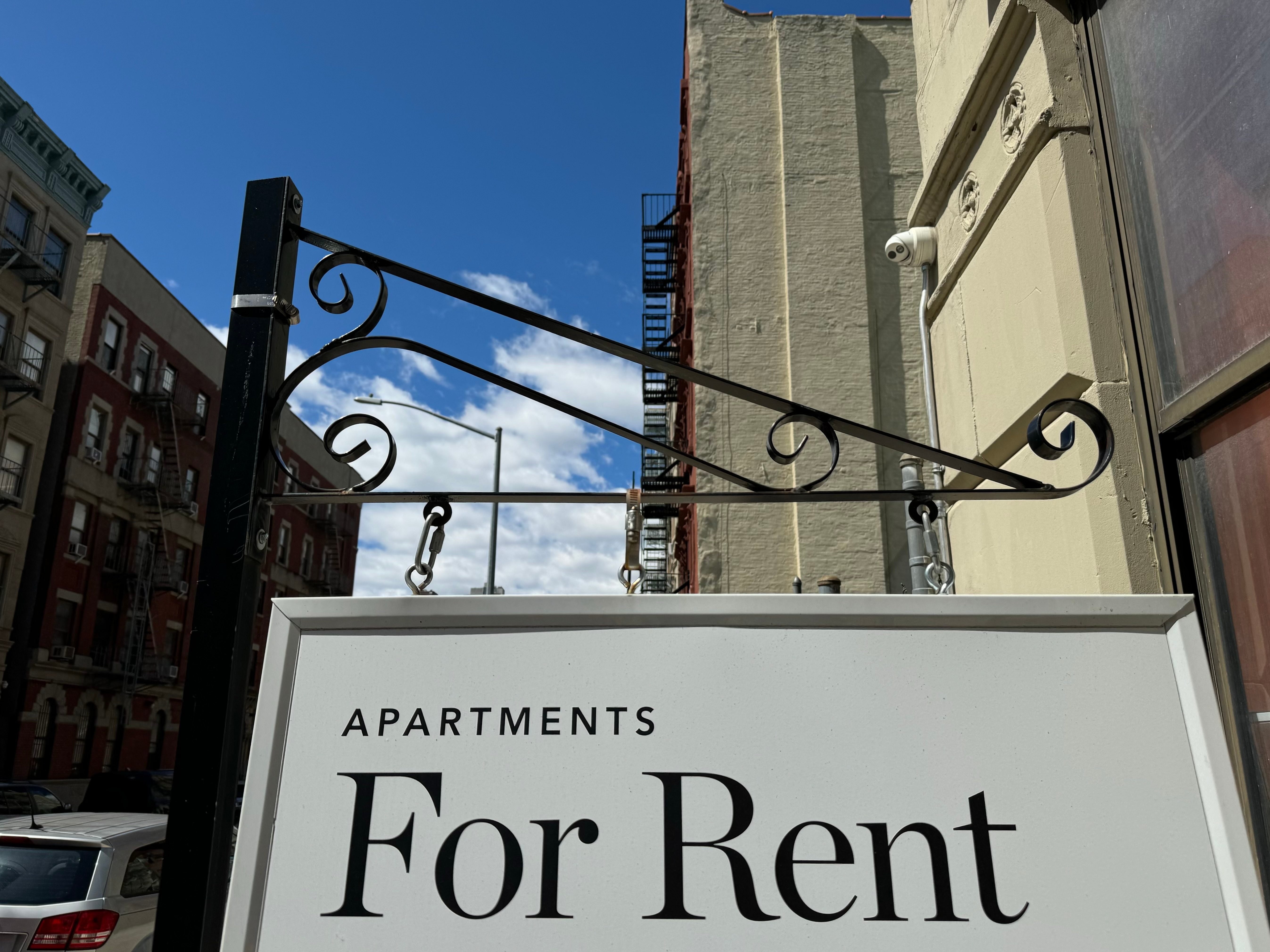
Sky-high rents in Manhattan signal an uncompromising new reality for New Yorkers and urban policymakers alike.
This winter in Manhattan, would-be tenants scanned apartment listings with a rare sense of disbelief—and for good reason. The average monthly rent in the borough soared to a record $4,950, an increase of 9% over the previous year, according to Corcoran’s latest report in January 2026. In several coveted neighbourhoods, that number reached vertiginous heights—Chelsea and Flatiron topped $7,500. Seasonal discounts, long a lifeline for renters braving the frigid market in hopes of a bargain, have melted away like the city’s uncollected snow.
The metropolis’ perennial dance of supply and demand has curdled into near-permanent imbalance. Manhattan’s ever-buoyant allure, both as economic engine and cultural beacon, continues to attract a steady throng of aspirants. Yet the pool of available apartments is puny by comparison, exacerbated by dwindling inventory and a stalling pace of new construction. The upshot is both prosaic and punishing: a record number of New Yorkers now face tough choices as rents edge further out of reach.
Gone, too, is the comforting rhythm of the rental market’s annual cycle. For years, savvy tenants could count on winter’s slack demand to yield modest concessions—a waived broker fee here, a month of free rent there. Not so this season. Landlords are obstinately holding the line on price, shrugging off tradition with the confidence only under-supplied markets afford.
The knock-on effects ripple across the city. Tenants, from recent college graduates to dual-income professionals, find themselves stretching budgets or downsizing ambitions. The more fortunate recalibrate—trading location for space, or vice versa; others are nudged further afield, into the outer boroughs or even distant Jersey. Even well-heeled renters eyeing doorman buildings with gyms and roof decks are not immune. Apartments with so-called “premium amenities” have seen rents rise the fastest, reflecting both scarcity and an insatiable appetite for urban convenience.
Nowhere is the rent inflation more pronounced than in Midtown East and the Upper East Side, each posting annual jumps between 17% and 18%. This disproportionate rise in sought-after enclaves underscores the city’s twin challenges: a gnawing lack of affordable housing and the persistent stratification of residential Manhattan. For landlords and property managers, it represents a windfall; for the city’s vast cohort of renters, it threatens to cement a landscape where only the well-off thrive.
The squeeze is especially acute for families and middle-class professionals. With inflation slowly moderating elsewhere in the economy, the cost of securing a home in Manhattan seems to operate on its own untamed logic. This inversion bodes ill for Gotham’s fabled social mix—a diversity historically envied by rivals from London to San Francisco.
To be sure, the city is not standing entirely still. In lower Manhattan’s financial district, a slow-motion transformation is underway. Developers, sensing opportunity amid remote work trends, have ramped up the conversion of vacant office towers into residential units. The local real estate board notes that such conversions have accelerated over the past three years, altering both the skyline and the neighbourhood’s character. These projects promise some relief, though the pace and scale remain a far cry from dramatically redressing imbalance.
A city on the edge, a nation in contrast
While Manhattan rents spiral, the broader national picture is less feverish. Across the US, rent increases in large cities have steadied or even softened, thanks to cooling demand, robust construction in the Sun Belt, and a wave of new apartment buildings. The idiosyncrasies of New York—part evidence of success, part symptom of sclerosis—set it apart. Compared with London, where rent controls and public housing blunt market excesses, or Tokyo, where relentless building tempers prices, Manhattan’s predicament is stubbornly homegrown.
Political pressure is mounting. Mayor Eric Adams’s administration faces increasingly vocal calls to expand tenant protections, subsidise new construction, and fast-track office-to-residential conversions. But progress is sluggish. Real estate interests, regulatory red tape, and chronic underinvestment in infrastructure combine to thwart meaningful reform. The state’s Rent Stabilization Law, for example, leaves vast swathes of the city’s rental stock untouched, while incentives for landlords to upgrade or repurpose older buildings remain tepid at best.
Those hoping for a reprieve from the market’s unforgiving logic may find little solace. Manhattan’s ability to generate wealth and attract high earners, local and global alike, means that demand is unlikely to wither. With remote work having lost some of its pandemic luster, the borough’s cachet as both a place to live and work seems secure for now. Policymakers face an unpalatable choice: embrace fundamental zoning and tax reforms—or resign themselves to a city increasingly defined by exclusivity.
We reckon that the latest figures should serve as a cold shower for city leaders. Manhattan’s rental market, left to its own devices, will not become gentler nor more inclusive. The absence of winter discounts is not an aberration but the new baseline. While it is tempting to blame greedy landlords or insatiable newcomers, the roots lie deeper: years of underbuilding, coupled with labyrinthine approval processes and political inertia.
Yet all is not lost. New York has repeatedly reinvented itself, often at moments just as fraught. The challenge this time is to balance the imperatives of growth and access. Without judicious intervention—policies that encourage more housing, faster—a city renowned for its dynamism risks ossifying into an enclave for the privileged few. The story of Manhattan’s rising rents is, ultimately, a call to action for anyone who still believes in the city as an engine of opportunity, not just spectacle.
Until then, the thermostat for Manhattan’s renters remains set uncomfortably high, and winter’s chill brings little comfort—save perhaps for landlords with units to let. ■
Based on reporting from El Diario NY; additional analysis and context by Borough Brief.