Mamdani Asks Trump for $21 Billion to Build Sunnyside Yard Homes in Queens
An audacious pitch in Washington may mark a turning point for New York’s housing—and offer a fresh template for federal–city cooperation across America.
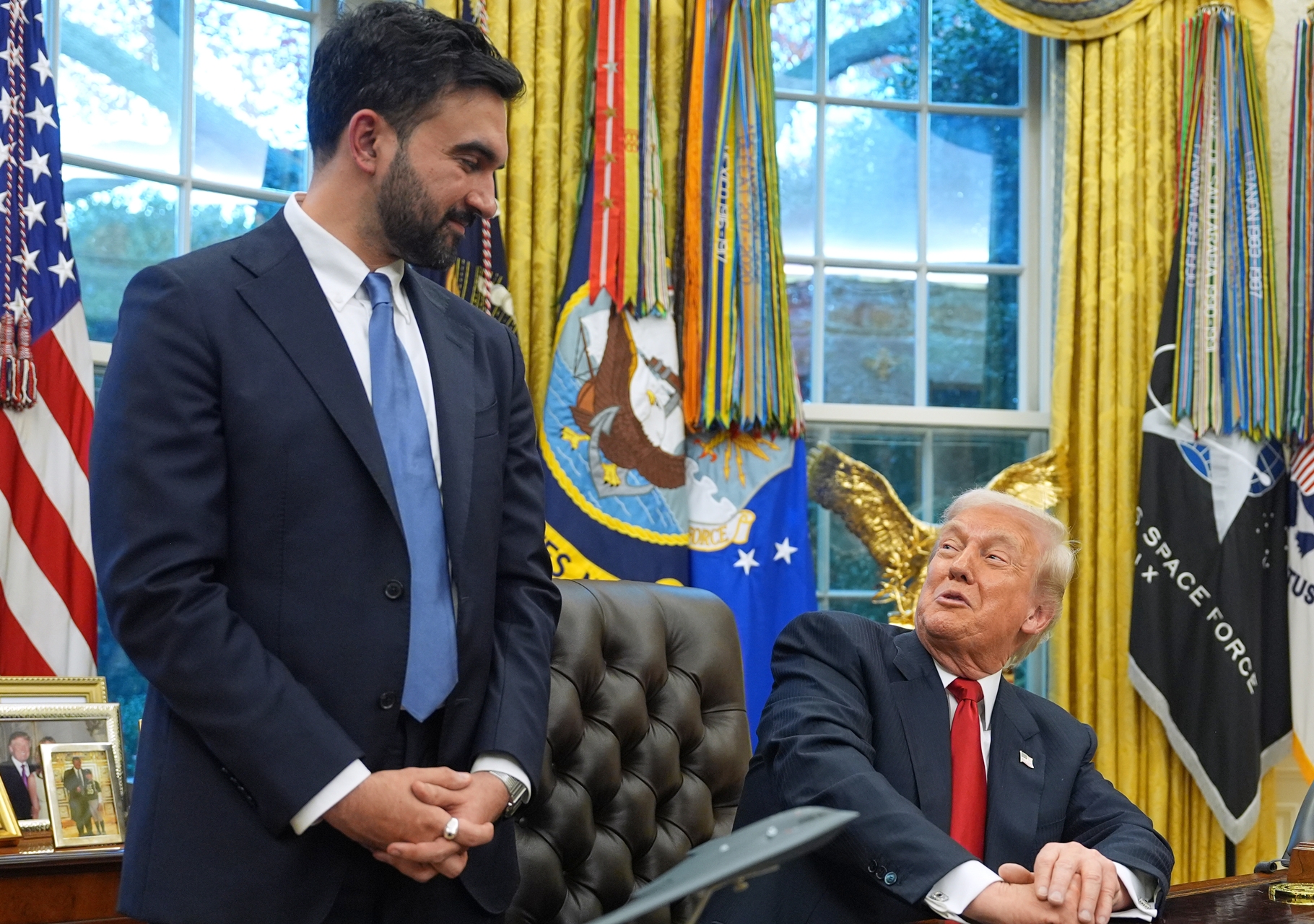
On a brisk February morning, the mayor of New York, Zohran Mamdani, entered the Oval Office, a city planner’s brief in one hand and a tongue-in-cheek tabloid cover in the other—a gift to President Donald Trump. The mock front page, echoing the infamous 1975 “FORD TO CITY: DROP DEAD” headline that snubbed a bankrupt New York, now bore Trump’s face and read: “TRUMP TO CITY: LET’S BUILD.” After decades of gridlock, the proposition on the table was equally bold: $21bn in federal funding to transform Sunnyside Yard—Queens’ sprawl of rail tracks—into America’s largest platform development, with 12,000 affordable homes, schools, clinics, and the promise of 30,000 new jobs.
The summit, arranged under unusual secrecy, signals the city’s gravest admission in years: New York faces a housing crisis of almost generational proportions. With median rents at record highs, and neighbourhoods like Astoria and East New York bleeding long-term residents, City Hall is hunting for scale. Mr Mamdani, less than a year into office, is gambling on federal largesse—and on Mr Trump’s own Queens-born nostalgia—to build more affordable units in a single stroke than the city has managed since the heady days of Mitchell-Lama housing in the 1970s.
For a metropolis where “affordable housing” long served as a punchline, this is portentous. Official figures now show more than 70,000 New Yorkers in temporary shelters, and citywide rent burdens topping 50% of income in many working-class enclaves. The prospect of 12,000 new, truly affordable apartments—and the accompanying scaffolding of schools, parks, and clinics—offers more than relief. It could reset the city’s vanishing middle and working-class prospects in a way no incremental rezoning or tax-break trickery ever has.
The direct implications are practical, even banal. The city would overlay a deck atop Sunnyside Yard, assembling homes atop the tracks at astonishing density. If—and it remains a sizeable if—Washington comes through with the lion’s share of the $21bn price tag, construction would create tens of thousands of jobs and pour investment into an area long starved of it. Nearby, property owners may fret about the effect on prices; residents of neighbouring Sunnyside, Woodside, and Long Island City could finally see the fabled “housing pipeline” become more than a stale planners’ meme.
Yet the reverberations go further. For decades, New York has treated housing as a local headache, with mayors and governors bickering over pitiful sums, while Washington tinkered with puny tax credits or public housing limp-outs. A federal commitment on this scale—modelled, perhaps, after West Side’s Hudson Yards but with affordability as the lodestar—could reanimate debates from Albany to Sacramento. It would set precedent: if a city can parlay a presidential ego and infrastructure ambition into a once-in-a-lifetime housing windfall, why should the largesse stop at New York?
Therein lies the gamble. Mr Trump, as Queens-native, is known less for urban policy than for tabloid feuds and skyscraper braggadocio. The optics of backing “the big build” in his home borough—alongside a left-leaning mayor—could suit his taste for largeness and bridge-building, while mollifying a restive metropolitan electorate ahead of a rumoured reelection bid. Yet the precedent may chafe with fellow Republicans, who have long bristled at federal bailing-out of spendthrift metropoles, casting such funding as a subsidy for liberal graft.
The numbers involved are certainly formidable. The request—$21bn in grants, not loans—dwarfs all recent federal commitments to urban housing, whether Biden-era Inflation Reduction Act incentives or the Build Back Better proposals that perished on Capitol Hill. While the final sums and mechanisms are undecided (both camps say talks will continue “in the coming weeks”), Mr Mamdani’s team touts the plan as “the largest investment in city infrastructure since 1973.” In scale and ambition, it hearkens back to the New Deal’s Works Progress Administration—if not in full, then at least in intention.
For New Yorkers, the project’s promise is ambiguous. The city’s recent record with “megaprojects” is patchy: Hudson Yards spawned glassy towers, but affordable units were an afterthought. East Side Access delivered shiny train platforms at sluggish pace and eyewatering cost. Embedding affordability by design—insisting, as Mamdani now does, on robust financing tools, public oversight, and bypassing the city’s regulative ossification—bodes better, but will need persistent vigilance.
A test for federal–city relations in a new era
Nationally, other cities will view New York’s gambit with a mixture of envy and scepticism. Los Angeles, Chicago, and Boston each face a parallel squeeze on affordable rents and vacant land. Few, however, enjoy both the audacity to lobby for $21bn in federal cash and a president with local roots. The lesson may nonetheless seep outward: that housing is inexorably a national challenge, not solvable by local bond referenda or ephemeral “inclusionary zoning” targets. Were Washington to underwrite densification and affordability in one city, pressure—or opportunity—would mount elsewhere.
Globally, the crisis of urban affordability is hardly parochial. London, Berlin, Toronto, and Tokyo have all struggled with tools to thread growth with inclusion. Where Berlin threw up rent controls and London resorted to “affordable” carveouts in luxury projects, New York’s proposal relies on an infusion of federal money not seen since the mid-20th century. If it succeeds, it may hint at a new doctrine for Western cities: that only national governments have pockets deep enough for generational fixes.
Much could yet founder. Congressional Republicans may bridle at generosity to “blue” cities. New York’s notorious regulatory hurdles—be they community boards or union negotiations—often add years to even modest builds. The city must convince Washington not just with renderings, but with transparent mechanisms to deliver true affordability, defend quality, and contain cost overruns—no mean feat. The risk, as ever, is that the city’s political circus or fiscal profligacy will cloud a rare chance for strategic intervention.
For all the palaver, we welcome the attempted reset. America’s cities bend under the strain of soaring costs and paltry housing additions. Courageous statecraft—mixing nonpartisan ambition with hard fiscal discipline and local input—offers the best route forward. A New York that can finally house its working and middle classes is a city that bodes well for the rest of the country. If this experiment ends in yet another round of blame and gridlock, the losses will be generational.
For now, though, as a pragmatic bid to reverse a half-century of housing inertia, the Mamdani–Trump episode does offer rare optimism—and a reminder that even in New York, the impossible sometimes bides its time before barging through. ■
Based on reporting from El Diario NY; additional analysis and context by Borough Brief.