Macy’s and 7-Eleven Slash Stores Nationwide as Lower Manhattan Retail Rethinks Its Footprint
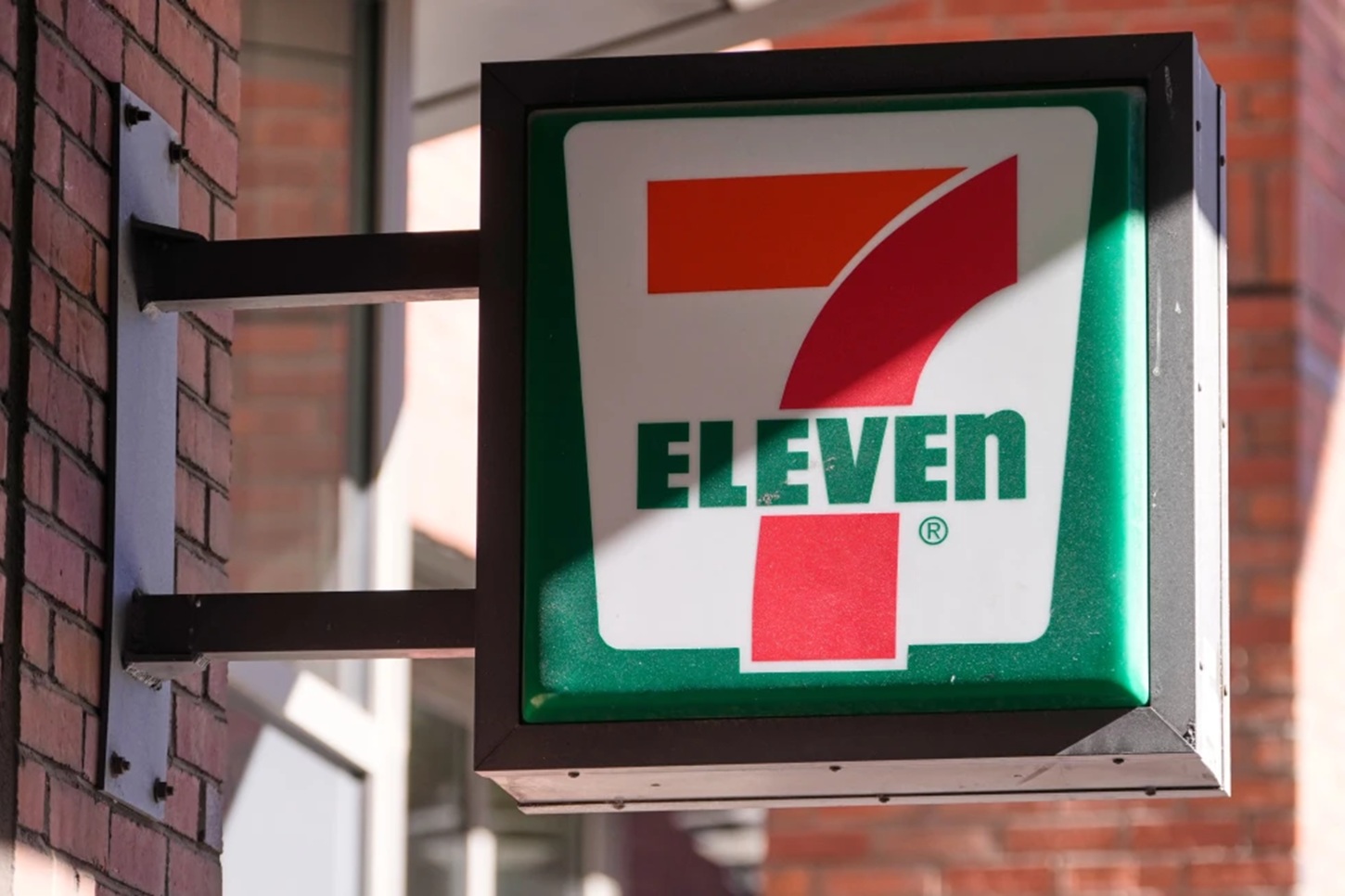
As New York’s retailers cull physical stores, a shift in shopping habits threatens jobs, reshapes local economies, and tests the city’s resilience in the digital age.
The clang of a closing gate on 34th Street echoes louder than ever. Earlier this week, not just one but several retail giants—7-Eleven and Macy’s foremost among them—announced fresh rounds of store closures. For Manhattanites and outer borough dwellers alike, there is no escaping the creeping sense that New York’s “city that never sleeps” is becoming a city with fewer places to shop. In a spate of corporate confessions, 7-Eleven has pledged to shutter 645 North American outposts, while Macy’s, for generations synonymous with Midtown’s glitz, will jettison 14 more locations by the end of 2026 (with 150 on the chopping block by 2028).
This is not mere belt-tightening. The twin forces of ballooning operating costs and the inexorable rise of online commerce now threaten long-embedded norms of urban retail. Shoppers, once content to browse racks or grab a coffee on the way to work, are switching in droves to digital checkouts. Retailers, in turn, are rethinking the entire raison d’être of thousands of square feet of real estate—much of it in New York’s priciest ZIP codes.
Friendly neighbourhood storefronts, a fixture of city life from Inwood to Bay Ridge, lie at the heart of this story. Their closure sends ripples far beyond the balance sheets of Fortune 500 companies. For every darkened 7-Eleven window or papered-over Macy’s entrance, there is a real cost to convenience. For the elderly, the carless, or anyone living in one of the city’s under-served “retail deserts,” each shuttered store nudges basic goods just a bit farther out of reach.
For a city whose workforce once relied on retail as a steady—if rarely lucrative—avenue to employment, the implications are equally stark. The local branch of the United Food and Commercial Workers, which represents thousands of clerks and cashiers, reckons each closed outlet means not merely lost jobs but also lost hubs of economic activity. (One well-placed bodega, local planners have long known, does more for a block’s vitality than a dozen new luxury towers.) This contraction in physical retail will almost certainly depress tax revenues, stifle foot traffic, and imperil ancillary businesses from dry cleaners to newsstands.
Property owners, meanwhile, find themselves in an unenviable bind. Real estate that fetched eye-watering rents in the pre-pandemic era now languishes for months, sometimes years, between tenants. In SoHo, vacancy rates for ground-floor retail have flirted with 25%. For landlords once buoyed by retail’s steady returns, the future portends leaner years—and perhaps a reckoning with the city’s notorious commercial rent tax.
The trend has national resonance. Chains as varied as Rite Aid, Foot Locker, and Walgreens have all announced comparable retrenchments, citing reasons as old as retail itself: falling footfall, rising wages, and the ceaseless march of Amazon and Walmart’s online empires. But New York, as ever, supplies the country’s sharpest case study. Its density supports niche stores that would flutter and die in exurbia; yet its high overheads impose a Darwinian culling on weak or middling merchants.
A retail recession foretold by pixels
Nowhere is this more apparent than in the city’s changing demography of consumption. Surveys from the Center for an Urban Future document that a swelling percentage of New Yorkers now do their essential shopping online, skipping not just in-store queues but—increasingly—the neighbourhood itself. For higher-income shoppers, the trade-off is one of time for tactile choice; for lower-income ones, digital commerce is sometimes a necessity born of local scarcity.
Yet there are treacherous undercurrents. Digital convenience often comes at a premium. As local options dry up, monopolistic online pricing grows easier and freight fees creep upward. Retail downsizing, paradoxically, may portend not only inconvenience but higher household costs—particularly for staples such as groceries or basic clothing. For smaller communities in the outer boroughs, or anyone reliant on public transit, the shrinkage of physical stores will bite hardest.
Policymakers, for their part, are left grasping at partial solutions. Zoning, targeted business improvement districts, and tax incentives to lure tenants have produced, at best, patchy results. Barring a wholesale rethink of urban commercial planning, many fear gaping stretches of empty frontage will become the new normal in the city’s streetscape.
Globally, New York finds itself in distinguished company. Tokyo’s labyrinthine depāto are likewise whittling away at their physical footprint, and the United Kingdom has witnessed a bloodbath of shopfronts on High Streets from Leeds to London. Even so, the American blend of high rents, stretched consumer wallets, and a peculiarly ferocious online marketplace makes the dynamics in New York especially acute.
We reckon the city will adjust, but not without pain. Past booms and busts—from the department store closures of the 1970s to the rise of the suburban mall—have always reshaped Gotham’s public sphere. In time, some innovative hybrid of retail and digital commerce will likely emerge: smaller, more resilient stores clustered in transit corridors, perhaps, or pop-up shops piggybacking on unused space. But transitional years bode ill for both workers and shoppers, testing the city’s famed adaptability.
Savvy operators will double down on service and in-person experiences, which online behemoths cannot readily replicate. Ironically, the most storied names—those with deep local roots—may be best positioned to endure, as scarcity itself bolsters their allure. Government, meanwhile, should resist the lure of nostalgia and focus instead on easing barriers for new entrants and startups. Not every store lost need signify decline: indeed, a leaner retail sector could yield a more dynamic, efficient playing field.
Still, one conclusion remains inescapable. As the cost of bricks and mortar rises and consumers opt for clicks and doorstep delivery, New York’s urban fabric will change irrevocably. The city’s vibrancy, after all, has always rested as much on the commerce at street level as on the skyline above. How it manages this gradual unravelling will shape not only its economy but the tenor of daily life for years to come. ■
Based on reporting from El Diario NY; additional analysis and context by Borough Brief.