M.T.A. Begins Overhaul of Subway Power System, Promises Fewer Outages
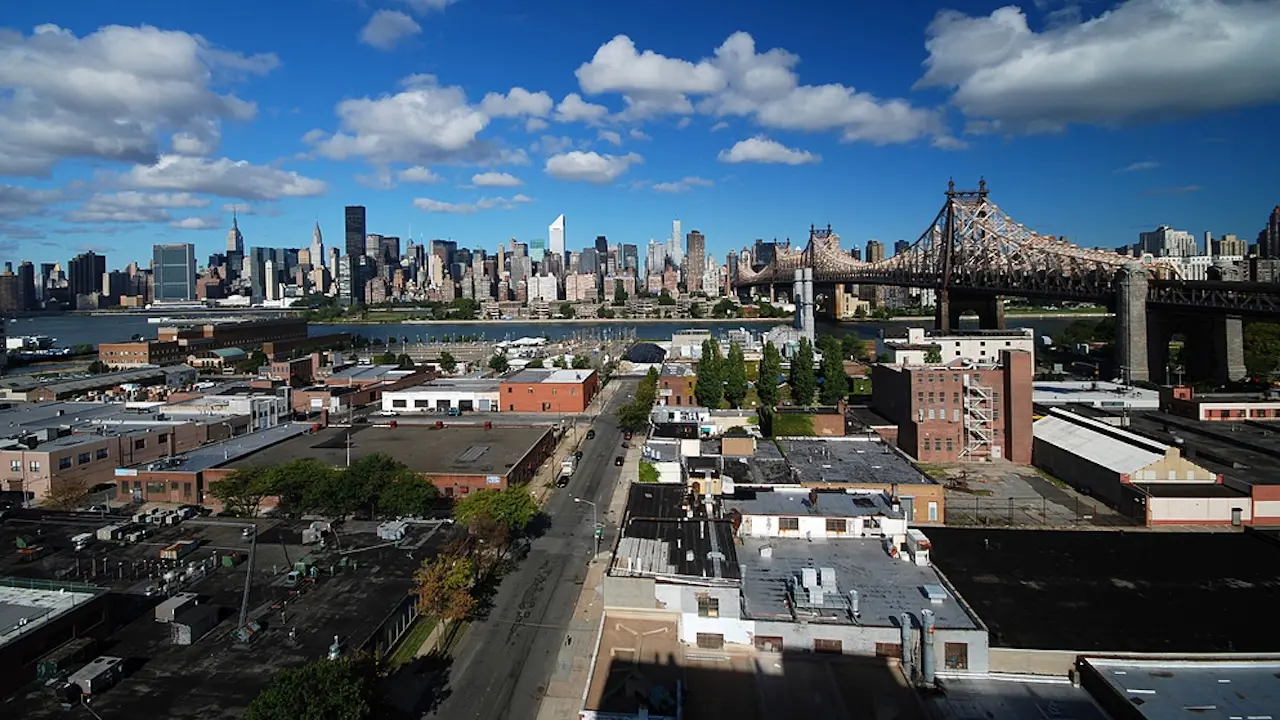
New York’s weary subway—vital to millions—faces its stiffest modernisation in decades, with ripple effects far beyond its tunnels.
Each morning, some 3.6 million New Yorkers squeeze onto trains beneath a city that never quite stands still. Yet the subways, powered by electrical systems dating from when F. Scott Fitzgerald populated the city’s jazz halls, remain curiously frozen in time. Now, the Metropolitan Transportation Authority (MTA), the oft-lamented steward of New York’s veins, has begun a capital-intensive overhaul of the power grid that keeps the subway moving.
The plan, announced this week, will swap out swathes of antiquated substations—some predating the Second World War—for modern equipment. The effort, no modest tinker, is forecast to cost billions of dollars and take at least a decade. It covers not only core Manhattan but extends beneath the trembling boroughs of Brooklyn, Queens, and the Bronx. MTA engineers, like so many before them, are chasing a future in which delays are less routine and capacity matches a city again swelling after the pandemic exodus.
For riders, these upgrades portend a double-edged fate: promised reliability, inevitably shadowed by years of construction. Sprawling closures, weekend outages, and occasional power cuts will join the patter of urban inconvenience. “The system runs on 600-volt direct current,” explains Jamie Torres-Springer, the MTA’s president of construction and development. “Some infrastructure, literally, is a century old.” In a city vexed by breakdowns that strand millions and snarl commerce, this is less a matter of pride than necessity.
Operationally, the improvements are poised to boost the system’s resilience against outages—from burnt transformers to catastrophic floods. Power failures typically spell chaos: trains grind to a halt, platforms grow tepid, tempers short. The infamous blackout of 2003 revealed the extent to which the MTA’s electrical labyrinth could buckle, hobbling recovery and shining harsh light on the system’s patchwork vulnerabilities.
Ripples will radiate through the city’s fragile economic ecosystem. Without reliable subway service, Manhattan’s much-touted office renaissance may prove puny. More than half a million commuters—office workers, hospital staff, baristas—depend daily on regular trains. Disruptions, even in pursuit of progress, cut into productivity, drive up costs, and subtly shift residential desirability. The city’s competitive edge, in no small part, relies on a public transit system both functional and trusted.
Politics, too, find their way into the tunnels. Recent debates over congestion pricing, intended to raise revenue for transit, will now jostle with fresh calls for capital investment. Governor Kathy Hochul, a frequent MTA emissary, has marshaled state and federal funds for the project, touting it as an emblem of climate resilience and urban revival. But critics, hawkish about spending, reckon the MTA’s cost estimates are, as so often, rosy at best and fanciful at worst. Transparency and timely delivery remain the perennial bugbears.
For New Yorkers themselves, the utility of the overhaul ought to speak for itself. Most see the need—polls suggest over 70% of city-dwellers admit the subway demands urgent fixes. Yet patience wears thin with every unplanned signal failure or unexplained stall mid-tunnel. If the project delivers on its technological promise, it will reduce both those gnawing delays and the carbon footprint of the city’s myriad journeys.
Nationally, New York’s drawn-out effort will be instructive. Other American cities eyeing transit revamps—Boston, Chicago, Washington—are keenly interested in how the MTA copes with complexity and cost overruns. Globally, the city’s travails serve as a sobering contrast to the buoyant pace of upgrades in Asian and some European systems—Seoul and Berlin, for example, manage routine bushings of decades-old kit with tepid fanfare and, typically, fewer headaches.
Risk, reward, and the politics of patience
Comparisons, of course, risk being odious: New York’s subway, with its labyrinthine sprawl and patchwork of private origins, is uniquely ungainly. Still, international eyes will be watching whether America’s largest transit system can modernise without going vastly over budget or behind schedule. One notes, with wry resignation, that the MTA’s last major project—East Side Access—opened fourteen years late, at three times its initial estimate.
Ultimately, the question is not whether to modernise but how best to balance risk and reward, when all routes point to disruption. If power upgrades enable more frequent trains and fewer stoppages, the economic uptick may offset the years of bruised shins and missed meetings. For a city eager to lure back residents and businesses, the stakes are not so much about electrical diagrams as urban destiny itself.
The challenge will lie partly in communication. The MTA’s perennial bunkering—announcements garbled, explanations rare—has bred suspicion even as it seeks public patience. Investment in transparency may, in the long run, matter almost as much as investment in copper wire and circuit-breakers. Voters, and straphangers, are not infinitely forgiving.
Still, even the most hard-bitten New Yorkers know the alternative. A subway system that limps into mid-century is no longer a matter for wry complaint, but existential threat. As America edges back towards denser, greener cities, the bones beneath New York will determine the rhythms above ground for generations.
New York’s latest power gambit, then, is less a technical upgrade than a wager on the city’s continued centrality. The coming years will determine whether its titanic ambitions can electrify more than just its rails. ■
Based on reporting from NYT > New York; additional analysis and context by Borough Brief.