Long Island Rail Workers Threaten Strike Over Pay as MTA Talks Stall Again
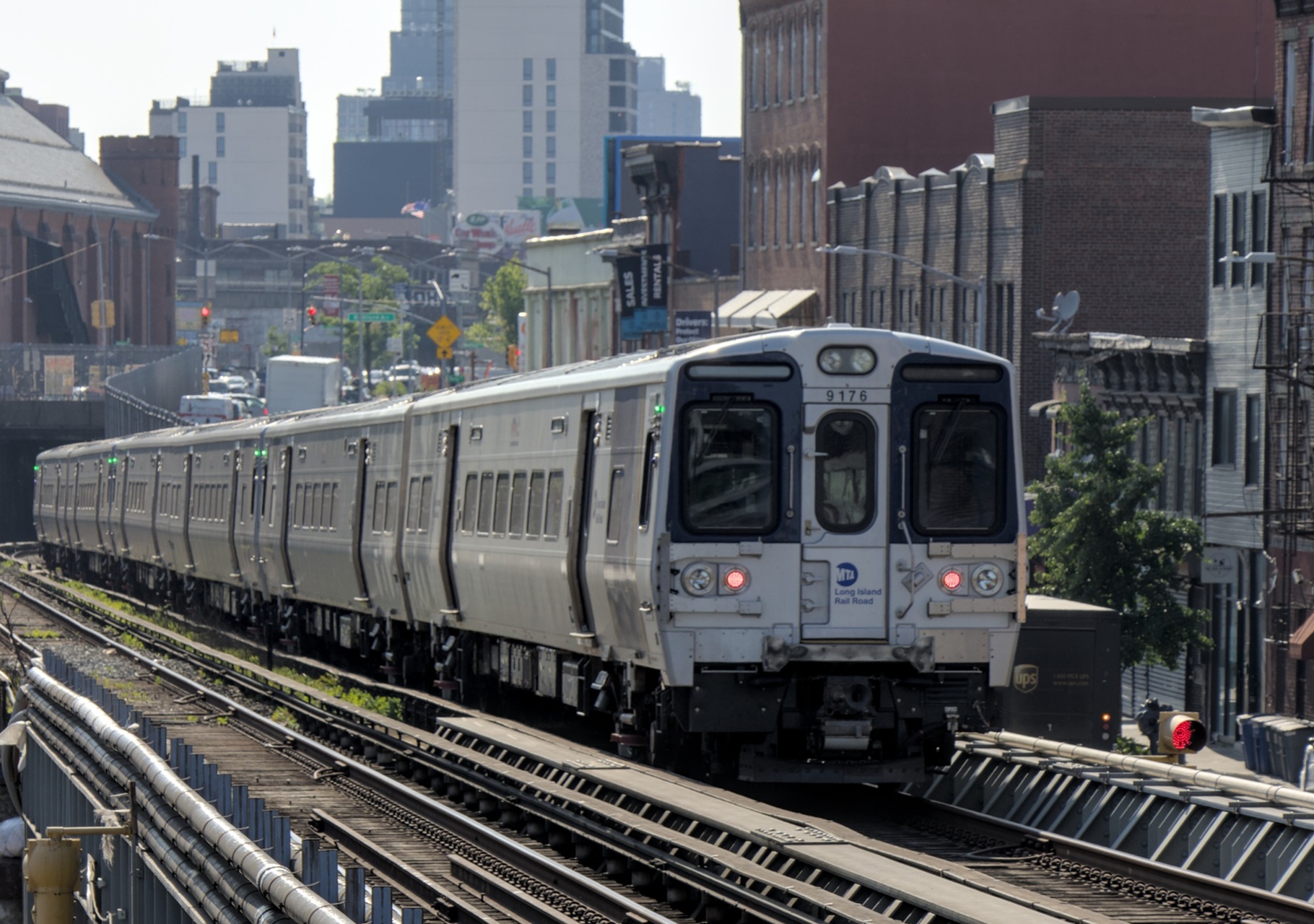
An imminent strike by Long Island Rail Road workers could bring the region’s busiest commuter artery to a standstill, underscoring the fraught economics of public-sector labor and the city’s dependence on reliable transit.
Talent, muscle, and patience: New York’s commuters rely on ample reserves of all three. Each weekday morning, more than 200,000 souls are ferried into Manhattan aboard the Long Island Rail Road (LIRR), the largest commuter railroad in America. Yet this expanse of punctuality and rolling steel may soon grind to a halt.
Five unions representing some 3,500 LIRR engineers, conductors, and staff have threatened to strike as soon as May 16th, after a month of negotiations with the Metropolitan Transportation Authority (MTA) yielded what union leaders call a paltry offer. The core demand is straightforward: an immediate 5% wage increase and a retroactive raise of 9.5% for the previous three years. “Too little, too late,” says Shaun O’Connor of the International Association of Machinists. The MTA counters that “progress is being made”—but it is quick to warn the risks of what its boss, Janno Lieber, calls “wasting leverage” on a drastic walkout.
The LIRR is no mere suburban shuttle. It brings armies of office workers, healthcare professionals, and students from Nassau and Suffolk Counties to the city’s commercial core. If the trains vanish, the sudden exodus of cars, taxis, and the MTA’s ad hoc replacement buses will clog highways and upend routines. A trip from Massapequa, normally about 60 minutes, might stretch to three punishing hours, as one commuter, Joe Caldarera, gloomily points out.
The pain would not be confined to commuters’ tempers. Worker productivity—and the wider city economy—would face acute pressure. Some 44% of LIRR users transfer to subways for the final leg into midtown and downtown, a symbiotic flow that, if disrupted, could sap the city of billions in lost wages and commerce. Melanie Cassino, a Dix Hills resident, supports the workers’ rights but dreads chaos. She is not alone; in a metropolis chronically short on consensus, the specter of mass disruption tends to unite.
Beyond daily inconvenience, the strike threat exposes deeper fissures. The unions point to the unrelenting cost of living: groceries, rents, and healthcare have marched steadily upward, while wages stagnate. Kevin Sexton, vice president of the Brothers of Local Engineers in Training, argues that “catch-up” raises are not a luxury but a necessity. Never mind that the MTA’s own finances are tentative at best. The prospect of higher payrolls collides with a budget still reeling from the pandemic’s shadow and tenuous federal support.
Even so, the unions wield leverage born of necessity. Unlike gig-economy workers or warehouse pickers, train operators are not easily replaced. New York’s transit is compressively unionised; a railroad stoppage is not a theoretical but a real and present danger. Both sides understand the cost of failure, and both gamble on the nerves of the other.
The civilians caught in the middle—commuters, businesses, city planners—face an unedifying predicament. Protracted disruptions ripple well beyond riders. Commercial landlords dependent on returning office tenants, small businesses lining the city’s corridors, and schools counting on dependable attendance all stand to lose. With “work from home” now an embedded custom, each transit setback risks accelerating the erosion of Midtown’s core.
Why New York’s transport gridlock matters far beyond New York
New York is not alone in its struggles. In Los Angeles, workers at the SoFi Stadium have threatened to strike ahead of the 2026 World Cup. Domestic caregivers—another underappreciated cohort—are conducting hunger strikes in pursuit of saner hours. Nor is New York immune to deft compromise: just this month, doormen and building staff won salary and pension victories with barely a picket waved. What, then, portends for the LIRR?
Globally, cities from London to Tokyo battle with similar union dynamics. Britain endured a rash of rail strikes in 2022 and 2023, each upending national business but producing, after tortuous deals, lasting boosts in pay and benefits. Japanese rail unions ricochet between cultural reticence and sharp demands. French train stoppages, of course, are legendary for their theatrical flair. The conditions may vary, but the trend is clear: urban cores depend on their transit arteries, and those who staff them know their worth.
Still, resolve carries risks. The MTA has threatened a contingency plan of shuttle buses—a palliative at best. No city can truly substitute for lost rail capacity via a fleet of lumbering coaches. A full walkout would test bureaucratic ingenuity as well as the public’s patience.
Classical liberal instincts urge caution; one must balance fair wages against fiscal prudence. New Yorkers want efficient, dependable trains, but not at any price. At the same time, unions’ complaints about inflation and stagnating pay are real. Negotiation—grounded in facts, not grandstanding—is sorely needed. Both sides might recall that the best settlements tend to be those everyone can grumble about, and then accept.
For a city defined by mobility, a prolonged railway stoppage is not merely a scheduling inconvenience but a threat to its economic metabolism. Prudence, not brinkmanship, ought to prevail before New York’s grandest commuter corridor becomes a stationary relic of industrial intransigence. ■
Based on reporting from El Diario NY; additional analysis and context by Borough Brief.