LIRR Strike Halts Trains as Editor Harper Freeman Reads the Signals for Queens and Beyond
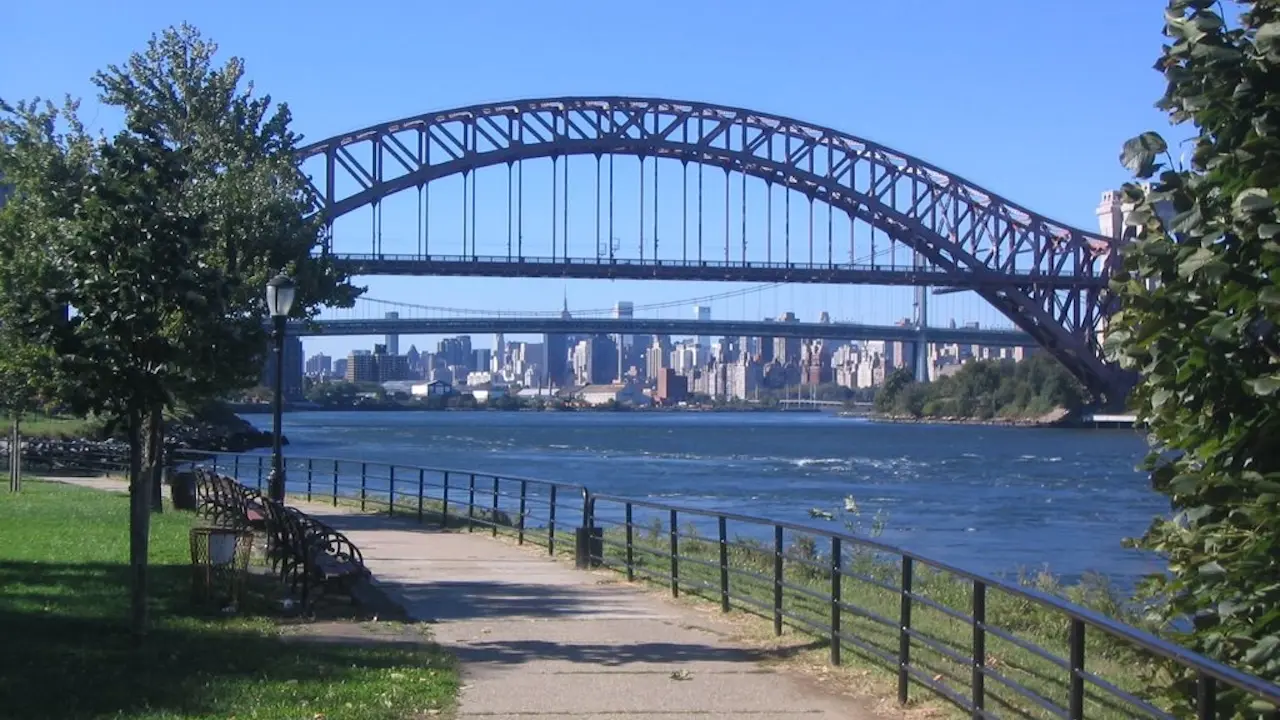
As the Long Island Rail Road grinds to a halt, a rare strike underscores familiar fissures between essential workers and the city they serve.
Commuters emerging bleary-eyed at Penn Station on Saturday morning found only empty platforms and hastily taped notices: at the stroke of midnight, New York’s oldest commuter railroad had simply ceased to run. Some 3,500 Long Island Rail Road (LIRR) staff—station agents, engineers, conductors—had staged their first walkout in three decades. In one radiant stroke, America’s busiest commuter line between suburb and city came to a stuttering standstill, marooning over 300,000 weekday riders and dismaying the metropolitan area’s already careworn workforce.
The strike, coordinated by the unions representing LIRR workers and initiated at 12:01 a.m. Saturday, is more than a spat about pay and pensions. Harper Freeman, editor of The Chief, the city’s pre-eminent labor newspaper, noted on local television that negotiations with the Metropolitan Transportation Authority (MTA) had foundered repeatedly. While the MTA claims to face fiscal strain aggravated by the pandemic and the region’s tepid recovery, workers argue that stagnant wages and proposed benefit cuts represent a breach of faith after years of reliability through crisis.
The city feels the impact with punishing directness. Suburbanites willing to endure creaking carriages and erratic connections have suddenly found themselves at the mercy of shuttle buses, pop-up car pools, and 40-mile slogs on expressways not built for such volume. Midtown businesses groan at anemic foot traffic; restaurant bookings and on-site meetings evaporate. The LIRR, lifeblood of Long Island and its commuter towns, has yanked the plug on the city’s economic engine. For hospitals, law offices and even Broadway theatres, absence may indeed make the heart grow fonder—if not the balance sheets.
Beyond these inconveniences lies a more troubling signal. New Yorkers are no strangers to transit drama: subway slowdowns, bus fare tiffs, even (occasionally) snowbound operations. But the rarity of LIRR strikes—none since the mid-1980s—portends a souring of relations between frontline staff and quasi-public overseers. The fractures exposed now were papered over in years of relative prosperity. Stubborn inflation, meagre wage growth, and pointed political debates about “essential” workers have rendered the truce fragile.
Secondary ripples travel far from the platforms. The LIRR serves not only New York’s local economy but also a national one predicated on the efficient migration of skilled workers between periphery and core. Home values along the rail corridor, already buoyant and sometimes frothy, tremble as the spectre of recurring stoppages introduces fresh uncertainty. Meanwhile, the spectre of a “contagion effect” on other transit unions hovers; subway, bus, and even Metro-North workers are watching closely. The MTA, a labyrinthine authority responsible for nearly 15,000 miles of track and a patchwork of contracts, finds its negotiating hand weakened.
Politically, the walkout lands awkwardly amid a mayoral administration anxious to trumpet New York’s post-pandemic resurgence. Governor Kathy Hochul has urged both sides to return to the table, even as she contends with restive upstate lawmakers wary of city-centric compromises. For the unions, the optics are both gift and poison. Public support, so effusive at the height of COVID-19’s first wave, has ebbed as disruptions multiply and narratives of “greedy” employees resurface—often ignoring the context of historically modest compensation for long, unsociable shifts.
Nationally, the struggle mirrors American transit’s grinding evolution. Congestion and ecological pressure nudge federal policy-makers to invest in mass rail, while antiquated funding formulas and clashing urban-rural priorities have stymied progress. By contrast, European counterparts have largely staved off comparably disruptive strikes through institutionalized collective bargaining—though not universally, as recent actions in France and the UK remind us. The United States, with its patchwork of jurisdictions and paucity of legal guardrails (the Railway Labor Act’s provisions notwithstanding), seems destined for periodic turmoil.
What this portends for New York’s social compact
The enduring lesson is not merely one of brinkmanship but of credibility and trust. The LIRR strike, inconvenient as it is, may reinvigorate long-languishing debates about the purpose and structure of public employment in America’s largest city. Should the MTA continue to bankroll services with fare hikes and stopgap state appropriations, or is a more structural reimagining overdue? For all the rhetoric about sustainability and “21st-century transit,” the system remains perilously dependent on the goodwill of a workforce now unmistakably restive.
Still, the episode bodes ill for an urban economy that purportedly prizes flexibility. Work-from-home arrangements, once a rare perk, have gone from emergency fix to quiet norm; but hospitals, schools, and thousands of service businesses cannot operate remotely. The strike therefore exposes not just logistical fragility but the ongoing tension between New York’s vaunted dynamism and its less glamourous dependencies.
Dry as it sounds, this is the stuff of which urban resilience is made. Strikes are disruptive, but so too is a model in which crisis is deferred rather than confronted. One might reasonably ask whether the MTA, New York State, and local union leadership will seize this impasse as opportunity to establish a more durable, forward-looking partnership. We are not sanguine: if history is a guide, headlines will fade, and the standoff will be settled not by lasting reform but with a few modest contractual concessions—setting the stage for another cycle of malaise.
Yet New York has a way of muddling through such crises with a mix of resignation and creative workaround. Carpool apps surge, remote meetings multiply, and a certain gallows humour reasserts itself. But as the city’s arteries clog and workers stew in traffic, the LIRR strike serves as an uncomfortable reminder: in the end, even in the most connected city, someone still has to drive the train. ■
Based on reporting from NYC Headlines | Spectrum News NY1; additional analysis and context by Borough Brief.