Kenny Burgos Champions Landlords in Rent Freeze Standoff, Bronx Science Rivalry Goes Public
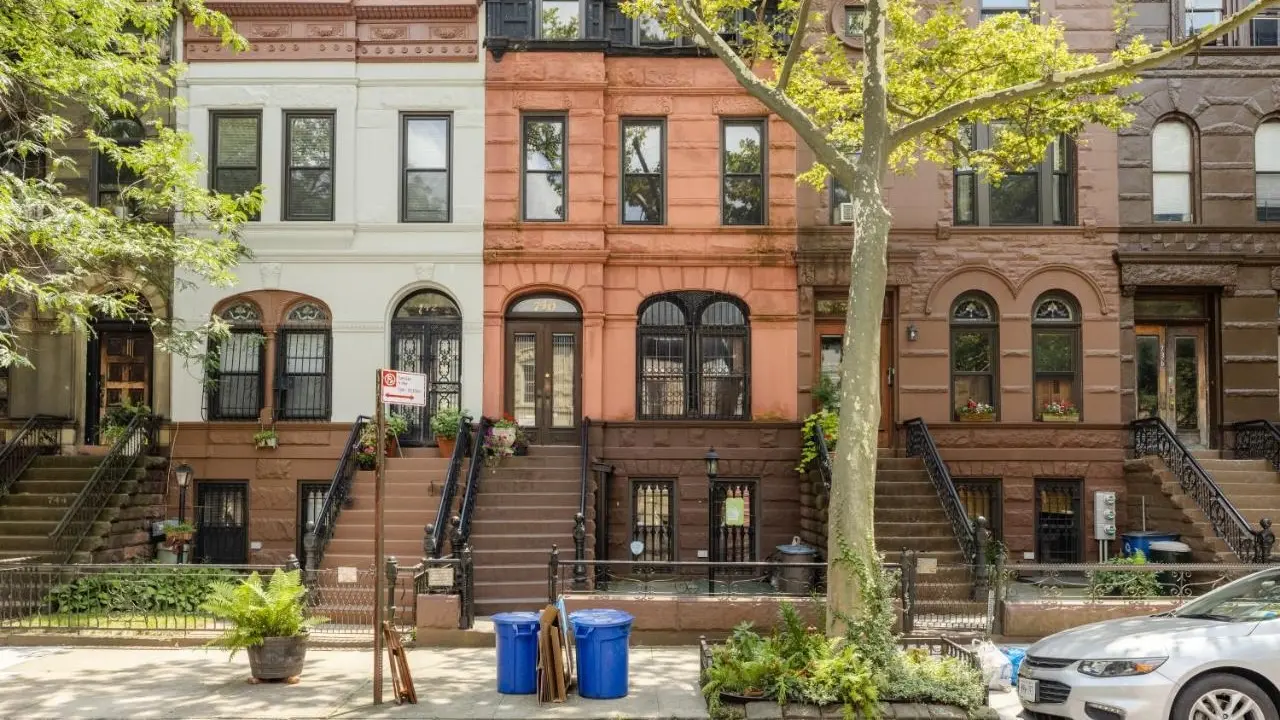
As New York’s city leaders spar over rent controls, the future of affordable housing—and who pays for it—hangs in the balance.
Even in a metropolis famous for its bitter fights over square footage, few policy battles in New York City generate the raw heat of rent regulation. Recent weeks have seen a particularly fraught episode as Kenny Burgos, a former state assemblyman and now CEO of the New York Apartment Association (NYAA), has publicly condemned calls for a citywide rent freeze, arguing such measures would “break the system.” Pitted against his one-time ally Zohran Mamdani—himself a stalwart advocate of tenant protections and last year’s mayoral contender running on a freeze-everything platform—Burgos now finds himself at the fore of a debate with outsized implications for New Yorkers.
The immediate news is plain enough. As city officials mull the 2024 policy slate, including possible freezes on rent-stabilised housing, advocates for both tenants and landlords are circling their wagons. Mayor Eric Adams’s administration, already feeling the pinch from inflation and rising homelessness, is reportedly leaning towards another year of minimal or zero rent hikes for the city’s roughly one million regulated apartments. That has left landlord representatives such as Mr Burgos fuming; on the other side, Mr Mamdani and associated tenant groups have ramped up their calls for bolder action to preserve affordability.
The stakes are as high as the city’s skyline. More than two million residents depend on rent-stabilised homes, and the prospect of a freeze is hardly academic for small landlords whose slim margins are increasingly squeezed by property taxes, insurance and surging maintenance costs. According to data from the city’s Rent Guidelines Board, the median monthly rent for regulated apartments is now $1,500—a paltry sum by Manhattan standards but still a struggle for the city’s essential workers. Burgos and his cohort warn that continued freezes will sap resources needed to keep these buildings habitable, ultimately pushing some properties toward disrepair or abandonment.
Tenant advocates are unmoved by such predictions of doom. They counter that landlords, padded by years of steady rent increases, have done well enough—certain deep-pocketed property owners in particular. Data on profitability is, as in so much related to real estate, partial and disputed. What is clear is that the city’s housing crisis has not abated. An early 2024 survey by the city’s Department of Housing Preservation and Development showed that vacancy rates under 4% persist, a figure well below what economists consider a healthy, competitive market.
The broader economic picture is, if anything, even more brittle. New York’s affordable housing stock stands at a precarious tipping point, caught between the Scylla of rising costs and the Charybdis of political intervention. Dovetailing crises—evaporating pandemic-era rental assistance, inflationary pressures and post-COVID migration—have converged with gusto. Layered atop this is a political theatre in which local lawmakers seem increasingly likely to intervene, as Democratic socialists like Mamdani command grassroots momentum and mayoral ambitions.
There are precedents, both local and beyond, to warn against simplistic fixes. Berlin’s experiment with citywide rent caps, introduced in 2020 and promptly struck down as unconstitutional the following year, offers a cautionary tale: while rents flattened for some, the supply of new apartments shrivelled, and black-market subletting flourished. San Francisco, long the byword for sky-high rents and Byzantine housing codes, now faces a glut of unaffordable units alongside a chronic shortage of new building permits. New York’s past dalliances with system-wide freezes—in the emergency years of the 1970s—left a mixed legacy of stability but also deferred maintenance.
For landlords, the outlook is hardly buoyant. The NYAA, fronted by Mr Burgos with no small rhetorical flourish, positions itself as the defender of “mom-and-pop” property owners perpetually squeezed by a city that neither appreciates their stewardship nor accommodates their bottom lines. Their warning: a freeze could yield a slow-motion collapse of housing quality, with lower-income tenants bearing the brunt as buildings slide into dereliction. They cite figures showing that, since 2019, operating costs have risen by more than 8% annually, outpacing permissible rent increases.
Tenants, for their part, are not convinced the sky is falling—or at least, not solely at their expense. Advocates such as the Upstate-Downstate Housing Alliance argue that the broader social cost of homelessness, overcrowding and neighbourhood churn dwarfs landlords’ claimed losses. The city’s shelter population remains stubbornly above 80,000, with thousands more “doubled up” in crowded apartments. The present cycle is unsustainable.
Complex choices and political consequences
Much turns, inevitably, on the city’s willingness to confront awkward trade-offs. Freezes win votes and headlines, but they do little to address the tepid pace of new construction or the Byzantine approvals that stymie fresh supply. If city politicians wish to secure affordable housing, the wiser course would combine rental relief, expedited permitting and a cautious eye toward long-run repair costs. Attempts to “break the system”—as Mr Burgos puts it—risk something much less cinematic: more broken boilers, peeling paint and untended elevators.
Nationally, New York’s drama draws keen observers. Rent control remains a shibboleth among progressive circles, but its track record elsewhere is patchy at best. Cities from Minneapolis to London have experimented with various schemes, often finding that intended beneficiaries are outnumbered by the unintended: would-be tenants locked out of stagnant markets, investors redirected to more pliant jurisdictions. International financiers, never an especially sentimental lot, are already trimming their Manhattan exposure, betting that returns on multi-family units will lag those in less regulated environments.
Our own assessment is that both sides of the rental wars exaggerate—perhaps inevitably, given the stakes. Mr Burgos is not wrong to sound the alarm over basic economics, nor is Mr Mamdani’s vision wholly without merit in a city where shelter is, for too many, a luxury. But the danger lies in swinging from crisis management to policy maximalism. New York’s competitive advantage has always been its capacity to adapt, not freeze, at moments of social flux.
If there is a lesson to draw from these latest skirmishes, it is that the adversaries of the moment—ex-schoolmates perhaps, now adversaries in service of broader constituencies—would do well to recall that the city’s housing future will not be secured through ever more rigid controls, nor through deregulation alone. Beyond the headlines and rhetoric, New York’s policymakers must summon the unglamorous discipline of compromise. On this, at least, both tenants and landlords should agree. ■
Based on reporting from NYC Headlines | Spectrum News NY1; additional analysis and context by Borough Brief.