Irán Mantiene Ormuz Abierto a Todos Menos EE.UU. e Israel Tras Ultimátum de Trump
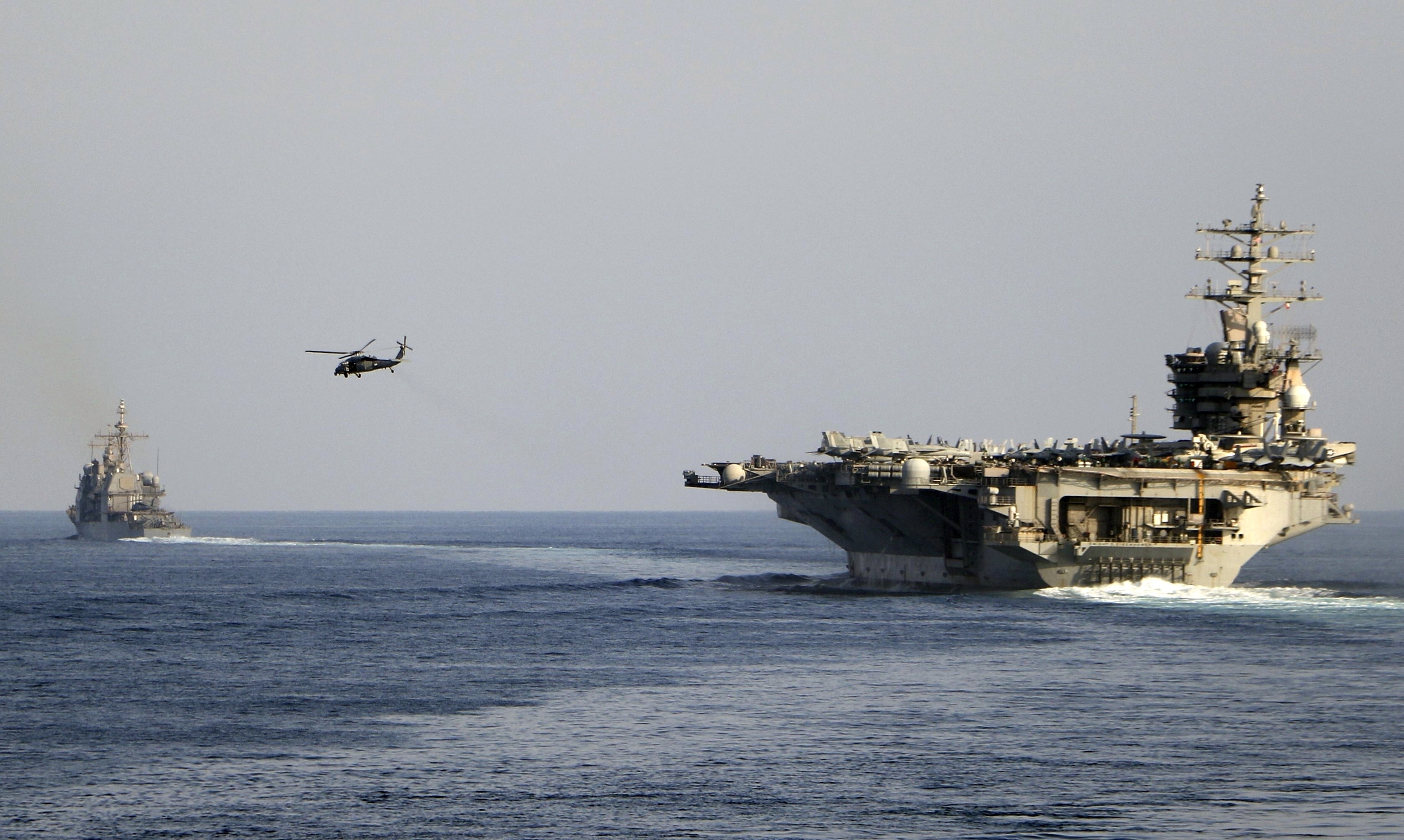
Tehran’s threat to restrict passage through the Strait of Hormuz to American and Israeli vessels underscores the fragile calculus underlying New York’s energy security and, by extension, the city’s economic well-being.
The narrow, teeming shipping lane at the mouth of the Persian Gulf may seem as remote from Manhattan as it is from Mars. Yet on a recent Sunday, when Iran announced that only ships not flying American or Israeli flags would pass unimpeded through the Strait of Hormuz, the global oil market—and by consequence New York—sat up and counted the tankers. The ultimatum came in the wake of a 48-hour deadline imposed by the United States’ president, Donald Trump, demanding fully free passage or the threat of “attacks on Iranian power infrastructure.” Tehran’s rejoinder: anyone but its enemies may transit, albeit under heightened security scrutiny.
Ali Musavi, Iran’s man in London and representative to the International Maritime Organization, declared the strait open—save for vessels from Washington and Tel Aviv. All others, he insisted, could move oil and goods through the channel under the “coordination and supervision” of local authorities. Meanwhile, the Iranian military painted a menacing picture, vowing to return any American bombing raids with proportional strikes on U.S.-operated infrastructure across the Middle East, from desalination plants to IT facilities.
For many of New York’s nearly nine million inhabitants, this exchange might seem remote—a squabble in distant waters. Yet the strait is no ordinary bottleneck. Roughly one-fifth of the world’s oil passes through it, a geopolitical gauge whose tremors travel down supply lines to refineries in New Jersey and beyond. A serious interruption can send oil prices rocketing: every dollar rise in the barrel imposes direct and indirect costs, from pricier gasoline at Brooklyn forecourts to ballooning heating bills in Queens.
In the short run, futures traders and shipping firms will do their jittery dance. Petroleum contracts on the New York Mercantile Exchange are notoriously susceptible to Persian Gulf turbulence. In the worst case—a total blockade—experts at the U.S. Energy Information Administration reckon global crude supply could fall by over 20%, pummeling prices upward by tens of dollars per barrel. American consumers, New Yorkers especially, are not insulated; local businesses and municipal agencies face squeezed budgets as transport and utility costs swell.
But the second-order consequences loom larger if the posturing escalates. Talk of tit-for-tat strikes on U.S. infrastructure points to a wider regional conflagration; energy grids, desalination plants, and digital networks are all targets of opportunity. In the context of an election year, President Trump’s saber-rattling may please domestic hawks but risks embroiling U.S. troops in another Middle Eastern farce. For New York’s economy, dependent on the steady hum of power and fuel, any such disruption portends not just higher prices but erratic supplies.
Beyond petrol pumps, there is politics. Higher energy prices tend to prove acutely regressive, hurting poorer residents in the city disproportionately. For a metropolis that already contends with stratospheric living costs and nagging inflation, another round of global oil agitation is hardly welcome. The Metropolitan Transportation Authority, with its multi-billion dollar operating deficit, would see its fuel bill rise at a time when services are already stretched. Politicians, ever keen to avoid blame, may be tempted to search for scapegoats—foreign or domestic.
Saudi Arabia and the United Arab Emirates, eager not to be outmaneuvered by Tehran or see their own oil tankers stranded, have called for calm and alternative routing. Yet no alternative shipping route can match Hormuz’s scale. Attempts to hedge with American shale output have proved at best a stopgap; New York’s own energy transition remains stubbornly sluggish, with renewables constituting only a sliver of citywide supply. Even the global liquified natural gas (LNG) market, now so ballyhooed, ultimately threads through the same geopolitical knots.
Ripples across oceans and boroughs
Globally, the standoff invites comparison to previous choke-point crises. The 1980s “Tanker War” brought insurance premiums and oil prices soaring; in 2019, drone attacks on Saudi oilfields panicked markets, though briefly. Each time, New Yorkers and their fellow Americans paid at the pump—if not in rationing, then in cascading price hikes.
European capitals, too, fret about Hormuz. London’s reliance on Persian Gulf crude is waning but not obsolete; Asian giants, especially China and Japan, remain heavily exposed. Yet as the only city in America whose economy rivals many countries’ GDPs, New York still sits at the pointy end of any global price disruption. In a world where climate pledges are flaunted but fossil addiction lingers, terrestrial rivalries halfway around the world remain sharply relevant.
The city’s policymakers might take this moment to accelerate contingency planning. Diversifying energy sources—wind, solar, nuclear—needs less rhetoric and more action. Getting buildings off oil, developing battery storage, and modernizing the grid are no longer the indulgence of environmentalists but the business of urban survival. Meanwhile, the city’s vaunted financial sector must weigh its own exposure: oil market turmoil can upend everything from pension funds to Wall Street trading desks.
All that said, Tehran’s threat is a barometer, not an earthquake. The strait remains open for now, despite the chest-thumping. Oil still moves, and for the time being, gasoline on Jerome Avenue is merely expensive, not gouging. Past crises have revealed the resilience of global energy logistics, and the capacity of risk to be priced and managed—if not banished.
Still, bickering over a rocky channel nearly 7,000 miles away underscores an uncomfortable truth: when far-off cauldrons simmer, New Yorkers must pay attention, lest the consequences arrive not with the rhythm of Middle Eastern drums but with the cold fact of higher bills. It may not be fair, but it is the price of living at the world’s commercial crossroads. ■
Based on reporting from El Diario NY; additional analysis and context by Borough Brief.