Irán Cambia Las Reglas En El Estrecho De Ormuz Y Eleva Los Precios Del Crudo
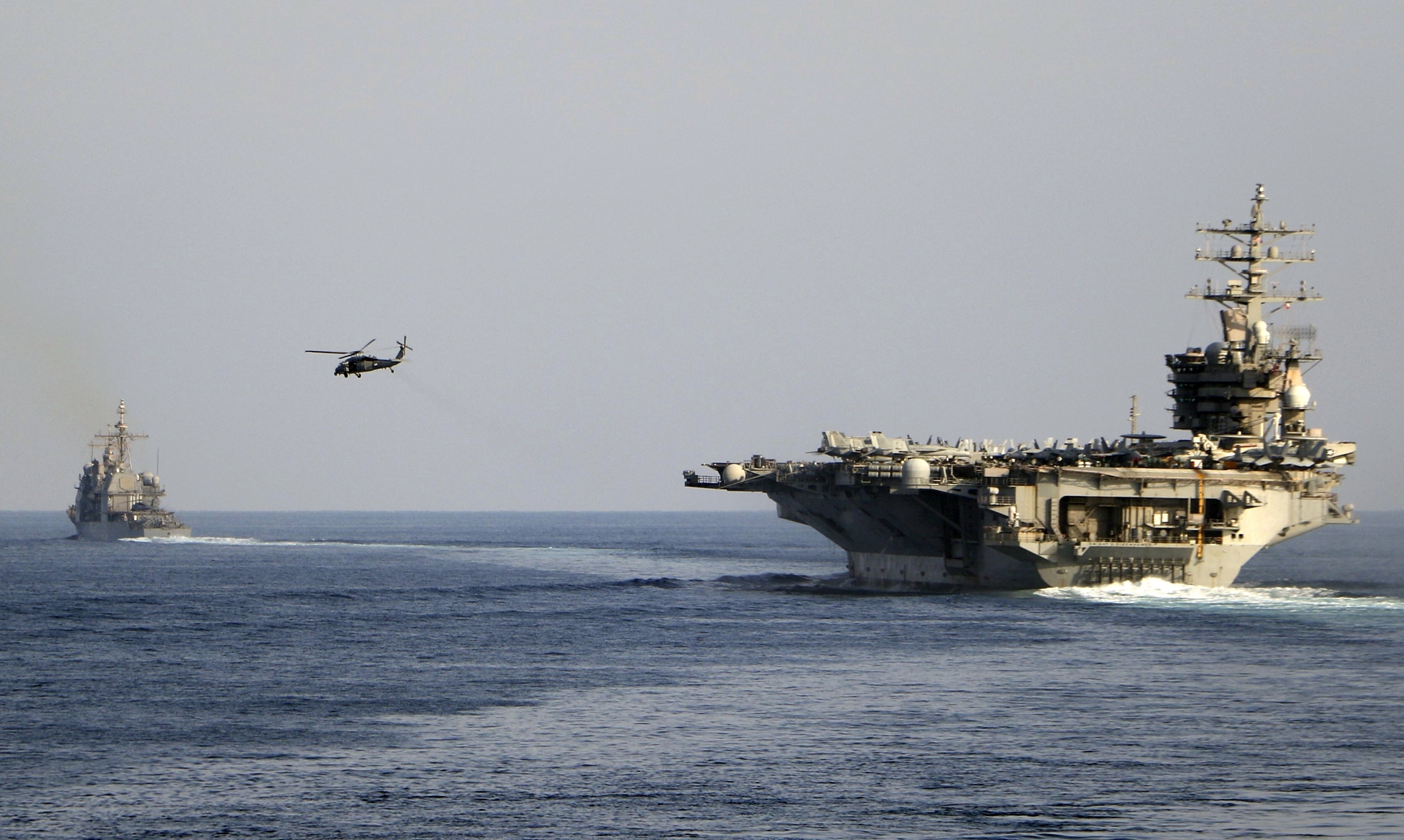
Iran’s escalating showdown in the Strait of Hormuz is shaking global energy arteries and threatening to send economic ripples from New York to Nairobi.
At 2AM on an otherwise unremarkable Tuesday, oil traders on Wall Street awoke to see Brent crude breach $100 a barrel, a level not glimpsed since the onset of the Ukraine war. The cause: Tehran’s ominous warning that “the situation in the Strait of Hormuz will not return to how it was,” paired with attacks on 18 tankers since late February. As the world learned of Iranian speaker Mohamad Baqer Qalibaf’s remarks—broadcast on state television and amplified by PressTV—the anxiety quickly leapt from Persian Gulf shipping lanes to the Manhattan trading screens and beyond.
The dire pronouncements followed a series of military exchanges between Iran and the United States, with each volley ratcheting up the risk of a wider conflagration. Mr Qalibaf insisted that closing the strait “was not an Iranian decision, but a defensive necessity,” blaming American and Israeli maneuvers for leaving the crucial conduit’s previous security status “irretrievable.” With approximately 20% of the world’s seaborn crude flowing through Hormuz, these are not empty threats: energy markets behave skittishly when such arteries appear pinched.
For New York City, ever sensitive to fossil-fuel price fluctuations, the impact is immediate and quite concrete. Petrol prices at local forecourts have already inched two dollars higher per gallon since February’s initial skirmishes. Con Ed, the city’s principal electricity supplier, quietly signaled upcoming surcharges on heating and lighting bills. In a town where roughly two-thirds of apartments are renters, and household energy expenditures are among the nation’s steepest, such tremors could soon jolt lower-income New Yorkers hardest.
Beyond consumers, local businesses—greengrocers in Flatbush reliant on produce shipped from afar, restaurateurs in Astoria eyeing their next delivery surcharge—now must grapple with the ripple effects of teetering global trade. The Port of New York and New Jersey, America’s busiest on the East Coast, faces increased insurance costs as shipping through Hormuz suddenly appears a riskier proposition. Global fertilizer prices, no minor matter for upstate growers and the city’s robust restaurant scene, are likewise creeping upward as nitrogen, phosphate, and potassium shipments waver with regional turbulence.
The repercussions go still deeper. Mayor Eric Adams, who presides over a city acutely attuned to global jitters following the pandemic and Russia’s 2022 invasion of Ukraine, confronts the prospect of inflation gnawing at an already stretched municipal budget. Previous episodes of energy spikes have reliably filtered through to bus fares, public housing maintenance, and even school-lunch contracts. Rising costs may also expose the city’s waiting economic wounds, with mass transit ridership only partially recovered and small businesses still on precarious footing.
Anxiety, of course, is not unique to New Yorkers. Global humanitarian agencies warn that, as the World Food Programme noted this week, escalating maritime peril in the Strait of Hormuz and Red Sea is already “aggravating hunger beyond the Middle East.” New York’s position as a gateway for transatlantic trade and finance portends trickle-down effects on food bank dependence in the Bronx—even as New York’s philanthropy sector may be called upon to help soften blows felt halfway round the globe.
The political calculus is equally fraught. Donald Trump, keen to dramatize his role as guardian of American brawn, has both promised “naval escorts” for threatened tankers and lashed out at NATO allies for laggardly support. Thus far, these bravura assurances have yet to materialise. European governments, wary both of escalation and election-year American unpredictability, tiptoe around coalition-building. For once, even hawkish US policymakers hesitate to antagonise Iran unduly, knowing New York commuters—and voters—will register any pain at the pumps.
New York’s experience, however, is hardly unique. Cities ranging from London to Mumbai are running cost-benefit analyses of their own. Previous geopolitical shocks have illuminated the fragility inherent in concentrated choke points: recall the Suez Canal blockage of 2021, or attacks on cable infrastructure off Europe’s coasts. The Strait of Hormuz, though, remains in a league of its own, with its closure threatening to upend economies from Singapore to São Paulo.
Markets and mayhem: how New York navigates energy insecurity
Some policymakers have argued that America’s energy resurgence should buffer the city against Gulf flare-ups. They miscalculate. While shale oil booms and domestic pipelines have reduced exposure at the margin, New York’s economic metabolism is still tethered to international supply (and global prices), not least through banking, commodities trading, and insurance. What happens in Hormuz will be felt in Hell’s Kitchen.
Yet, there are glimmers suggesting resilience rather than panic. Forward contracts in energy futures, while volatile, have not plunged into outright turmoil. Refiners are drawing down reserves, and the city’s diverse supply chains, developed over decades, afford a hedge against the kind of single-point failures that would have paralysed New York in the 1970s. Nonetheless, the city’s social contract—one that hinges on predictable services amid spiraling rents—remains vulnerable to systemic energy shocks.
Iran’s claims that “resources and opportunities belong to the peoples and nations of this region” are opaque but familiar: the rhetoric of spheres of influence, not new economic order. In practice, New York’s response is less about distant saber-rattling and more about bracing for continued volatility: hedging energy exposure, lobbying for federal reserves to be tapped, and confronting the possibility of short, sharp price surges.
The latest chapter in the Hormuz drama is unlikely to resolve the perennial paradox: New York, pillar of American ingenuity, remains inexorably at the mercy of squalls and tempests half a world away. The city’s capacity to weather such storms owes as much to prudent risk management as Wall Street bravado.
No amount of local insulation can fully sever the link between a bombastic speech on Iranian television and the everyday costs faced by Gothamites. What New York and its denizens do next will show whether global entanglements are a bug or a feature of 21st-century urban capitalism. For now, at least, the Strait of Hormuz feels perilously close to the East River. ■
Based on reporting from El Diario NY; additional analysis and context by Borough Brief.