Inflation Outpaces Paychecks for New Yorkers as Housing and Groceries Tighten Their Grip
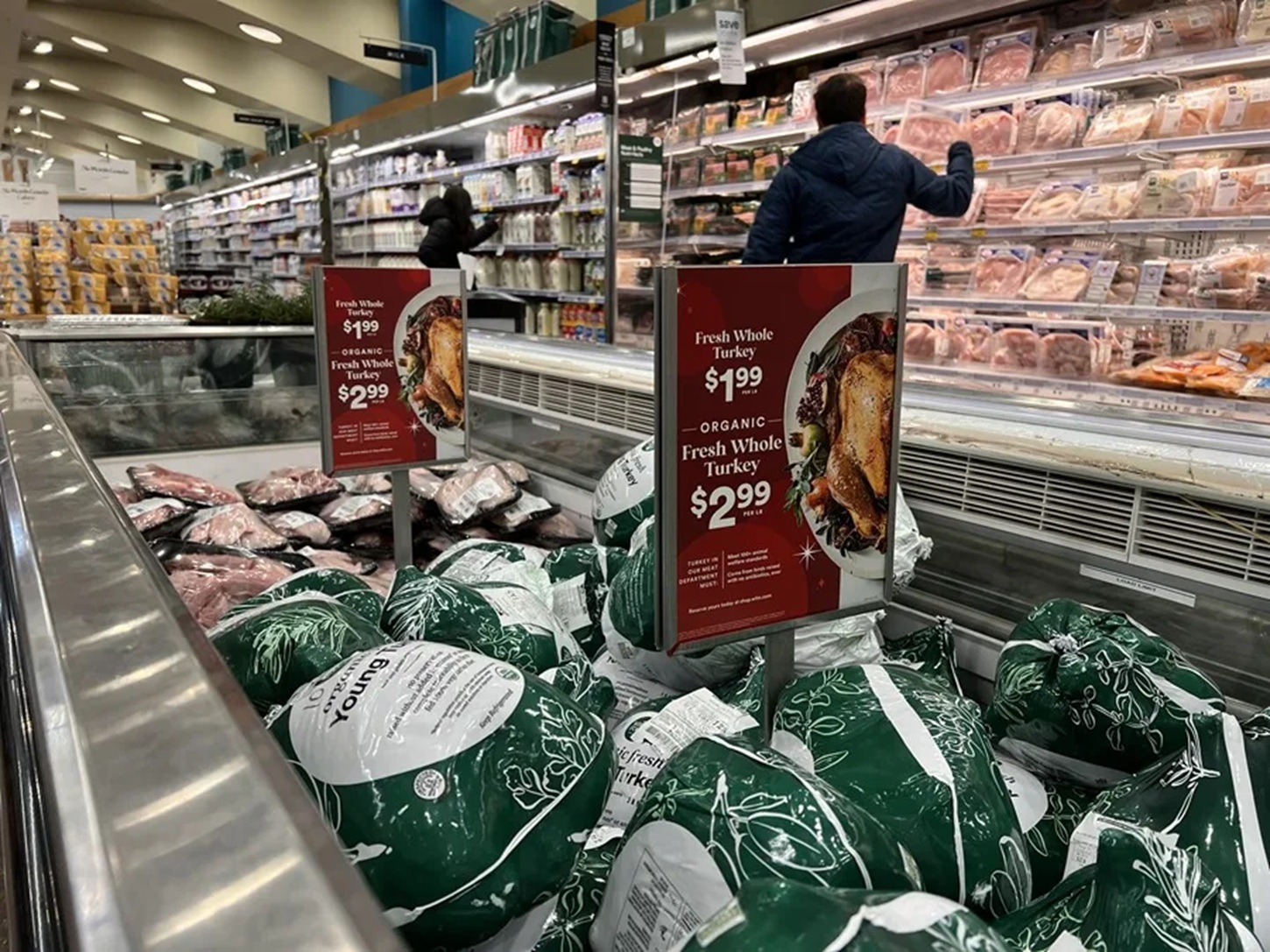
Persistent inflation in core expenses, especially in housing and food, is eroding the real incomes of New Yorkers, straining personal finances and reshaping the city’s economic landscape.
New Yorkers are seasoned veterans of sticker shock, yet even the most hardened among them may blanch at the latest numbers. Between 2023 and 2026, household staples—rent, groceries, utilities—are devouring a growing share of paycheques. According to the Bureau of Labor Statistics, inflation outpaced wage growth for yet another quarter, leaving workers feeling their pockets just a touch lighter with every passing month.
The gritty arithmetic is plain: while nominal wages have ticked upward, the increases scarcely keep pace with relentlessly rising costs. Rents continue their upward march, food prices display little mercy, and necessary services—from childcare to transit—demand ever-larger slices of household budgets. This cost creep, more than any single expense, gnaws at New York’s sense of economic buoyancy.
The news, detailed in recent data from the BLS and echoed by both the Reserve Bank and the Department of Agriculture, is sobering. Inflation in essential categories has stubbornly exceeded wage gains—sometimes by nearly a percentage point—over several recent periods. This divergence, trivial in the abstract, translates into hard choices for millions of workers who discover that increased wages do not, in fact, buy more prosperity.
For the city’s households, especially in the outer boroughs, the search for affordable shelter has become something of a Sisyphean task. According to the Federal Reserve, rental costs have ratcheted higher year after year, reinforcing New York’s reputation as a city where one pays handsomely for the right to call a patch of concrete “home.” Nor is the pain confined to rent: groceries, from the humble egg to the once-mundane tomato, have seen price jumps that far outstrip increases in family income.
When the price of bread rises faster than pay, families are forced to reconsider all manner of expenses. For many, it means postponing purchase of a new appliance, trimming discretionary spending, or in some instances, forgoing essentials. Government data suggest that such domestic economising is the rule rather than the exception, with surveys indicating a steady increase in the proportion of income funneled into basic needs.
The impact is particularly severe among New York’s Hispanic households, who are statistically more likely to rent and to dedicate a higher fraction of income to food and transportation. For these families, every uptick in the price of essentials resonates more acutely, and may tilt an already precarious budget into the red.
The story does not end at individual hardship. As more household budgets groan under fixed costs, the city’s broader economy feels the pinch. Retailers contend with tepid consumer demand, restaurateurs see tables empty sooner, and entertainment venues struggle to fill seats. City Hall, historically eager to tout rising wages, now faces the discouraging reality that more does not necessarily mean better.
The wider squeeze, national echoes and global hints
While New York is notorious for its punishing expense, the phenomenon is not uniquely metropolitan. Nationally, the cost of basic goods and services has risen at historic rates. Data from the USDA show that the price of staples—meat, dairy, produce—has climbed between 10% and 20% over a five-year span. Urban wage-earners from Los Angeles to Chicago echo the refrain: salaries are climbing, but never quite quickly enough.
Globally, the trend is echoed but not precisely mirrored. Cities such as London, Paris, and Tokyo have long dealt with pricey housing and striking income inequality. Yet recent years have thrown fresh gasoline onto the old embers, especially post-pandemic. While European wage frameworks and housing regulation offer some insulation, the city dwellers of Western capitals increasingly resemble their New York cousins—better paid, perhaps, but seldom better off.
In New York, the pressure-cooker environment could yet breed positive reforms. Advocates for housing affordability have seized upon the data to call for more aggressive construction targets, zoning reforms, and wage supports. Political leaders, eyeing an electorate increasingly squeezed, must balance fiscal prudence with interventions for the most vulnerable. The city’s robust safety net—food stamps, rent subsidies, public healthcare—cushions some blows but offers little cheer to the middle class, whose woes are not easily remedied by policy.
Businesses, too, are forced to show real inventiveness. Some firms adjust by hiking wages; others automate or offload costs. Yet the long-term worry is structural: New York’s reputation as a city of opportunity is put to the test when cost outpaces compensation. If families cannot afford to remain, the city’s vaunted diversity, creative ferment, and economic dynamism risk being whittled away.
For now, robust employment masks some of inflation’s sting. Unemployment remains comparatively low, and high participation rates portend economic resilience. Yet an undercurrent of anxiety pervades: a persistent mismatch between what New Yorkers earn and what the city’s basics command. Well-meaning wage increases, celebrated in headlines, are quietly nullified by steeper bills.
This need not herald doom, but it does demand vigilance. City policymakers would do well to temper boosterism with clear-eyed analysis—and perhaps, a dash of humility. New York’s past resilience was forged in adversity; its future health depends on its ability to adapt, not merely to endure.
In the end, cost of living is not merely an exercise in numbers, but a test of what a city values: growth for its own sake, or genuine well-being for those who call it home. New York’s answer to that—so far—remains inconclusive. ■
Based on reporting from El Diario NY; additional analysis and context by Borough Brief.