Inflación en 2026 Recorta el Salario Real de Neoyorquinos, Presupuestos Ajustan con Poca Ilusión
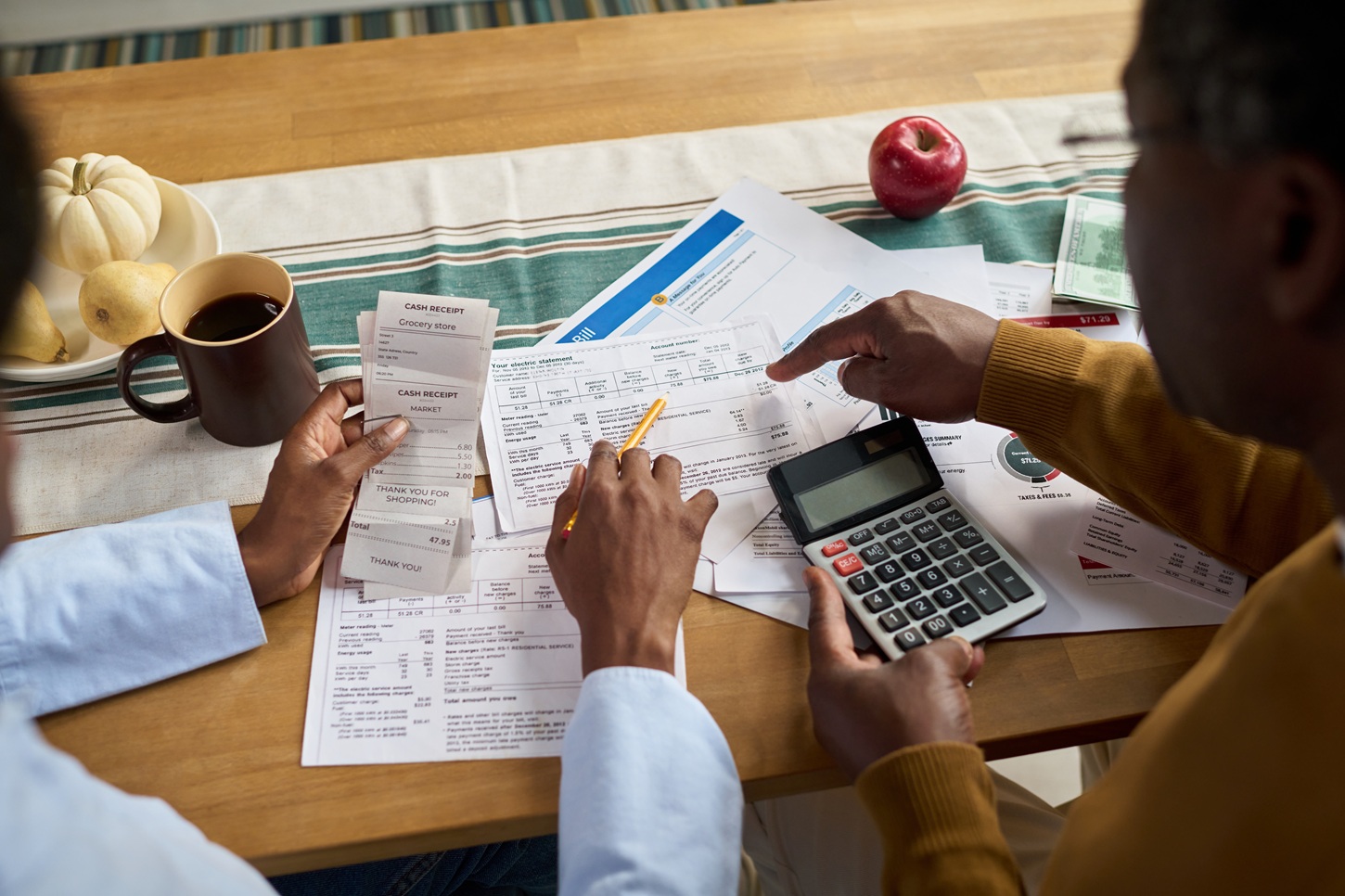
Persistently weak wage growth and resurgent inflation are eroding living standards for New York City’s Hispanic workers—boding ill for social mobility and the city’s fabric alike.
New York’s sidewalks bustle with the energy of tens of thousands just as rent day approaches. Yet behind the city’s famously frenetic pulse, a quieter crisis is brewing: for a growing swathe of its working class, paycheques no longer suffice to keep pace with rising prices. What was once whispered as household anxiety is now an openly discussed predicament, laid bare by new national data: more than six in ten Hispanics in America rate their financial situation as “regular or bad,” according to the Pew Research Center. In a city where nearly a third of residents identify as Hispanic or Latino, this portends more than private hardship—it hints at broader storm clouds gathering over its economic and social landscape.
Recent months have delivered little relief. Nationwide, inflation rebounded to 4% in March 2026, its highest level in over three years. The timing, for those in jobs at the bottom end of the pay scale, could scarcely be worse. Despite buoyant talk from policymakers of a resilient American economy, 2025 saw real wages for low-income workers edge downward by 0.3%. Rents have continued their inexorable rise; food and energy prices spike unpredictably. In New York City, where the median monthly rent now clocks in at $3,600 and even a pared-down basket of groceries costs some 20% more than pre-pandemic, it is little wonder that the construction worker, home health aide, or food delivery cyclist feels caught in the city’s tightening economic vice.
The practical dilemmas multiply. A LendingTree survey released in January found that roughly 60% of Americans started 2026 in the same or worse financial shape as the year prior. For those earning under $30,000—many of them recent immigrants and essential workers living in the outer boroughs—the figure was higher still. Mark Hamrick of Bankrate, an economic commentator rarely given to exaggeration, reckons that “no significant jump” in wage growth is coming soon. The cavalry is not on the horizon.
The consequences play out in subtle but pervasive ways. Parents stretch meals and forgo outings, anxiety mounting as MetroCards and utility bills inch higher. Savings are depleted to cover routine emergencies; debts accumulate like slush on a winter sidewalk. Moreover, the city’s famously inventive hustle ethic is morphing from a badge of ambition into a necessity: national data show that nearly 40% of American workers—up sharply from a decade ago—report having a “side hustle.” For those in the $30,000-and-under bracket, such secondary income averages $530 a month. Useful, yes, but paltry against the gaping deficit opened by New York’s cost structure.
For municipal policymakers, the implications are profound and unceasing. Stagnant standards of living threaten to undermine not just households but also city tax revenues, school budgets, and transit fareboxes. A city’s economic dynamism, after all, relies on the notion that effort yields reward—an idea that starts to fray when raise announcements lag behind grocery bills. The further the gap widens, the more the allure of the city itself comes into question for the very strivers who sustain its creative churn.
The challenge extends beyond economics. Historically, upward mobility—however meandering—was a central article of civic faith in New York. When that promise dims, social cohesion erodes. Communities accustomed to scraping by with dignity may now feel besieged, risking a drift toward disengagement or resentment. The risk of political volatility rises when large constituencies see the “American Dream” become a distant or vanished prospect.
Nationally, New York’s predicament is echoed—if at less dizzying scale—in such places as Los Angeles or Miami, each with their own Hispanic working populations and spiking living costs. Yet the city’s unique blend of astronomical rents, heavy reliance on wage service work, and an outsized immigrant population makes its problems unusually acute. The country as a whole has managed to keep unemployment tepidly low; the Federal Reserve frets about inflation but is loath to clamp down too hard for fear of tipping workers out of jobs. The result is what some economists now dub “stagflation lite”—stubborn price growth, flat real incomes, and gnawing insecurity.
Budgeting, side gigs—and the cruel arithmetic of urban life
It is tempting, amid such adversity, to offer financial bromides: that careful budgeting and cutting extravagances will suffice to weather the storm. And some data do suggest that reckoning with real spending habits (rather than aspirational budgets) can clarify options, as venture capitalist Alexa von Tobel suggests. Yet for most of those now feeling the pinch, the arithmetic is grimly simple: rents, food, and commuting costs leave vanishingly little slack. The “last mile” of budget shortfall often requires not belt-tightening but a second, or even third, job—hardly a plausible route to long-term well-being or upward mobility.
What hope then for improvement? Calls for citywide minimum wage hikes have grown louder, yet risk accelerating automation or driving employers elsewhere. Expanded housing vouchers or rent controls, perennial policy tools, do little to address underlying supply shortfalls. Were inflation to abate and wage growth to finally outpace it—a prospect not in evidence for the immediate future—relief might trickle down, but it would require a tectonic shift in macroeconomic fortune.
The city’s private sector, too, faces uncomfortable decisions. Retailers and restaurants, pillar employers in immigrant-heavy neighborhoods, struggle with thin margins and reduced foot traffic. Businesses must weigh the costs and benefits of raising wages against the spectre of declining competitiveness or outright closures.
Looking abroad, New York’s malaise conjures parallels with global cities where wage stagnation and high living costs have spawned populist discontent. In London or Paris, similar patterns of squeezed working families and social unease are visible. Yet few cities have staked their identity so firmly on their ability to absorb and reward the world’s aspirants as New York; its “give me your tired, your poor” ethos faces a fresh stress test.
There are no guarantees that the city’s famed resilience will prevail this time. But the lessons are clear: the political and economic establishment ignore the growing frustration of the urban working poor at their peril. A city that surrenders to the inexorable logic of unaffordability risks dwindling diversity, lost dynamism—and the slow unravelling of its social contract.
New York’s history is studded with turnarounds after adversity. Whether today’s stagnating wages and stubborn inflation will herald another chapter of reinvention, or a sapping erosion of hope, depends on whether policymakers and business leaders can muster the ambition—and perhaps humility—necessary to restore a modicum of upward mobility. For now, the city’s working poor are watching. ■
Based on reporting from El Diario NY; additional analysis and context by Borough Brief.