ICE Arrests in NYC’s Hispanic Neighborhoods Surge 212 Percent as Fear Becomes the Norm
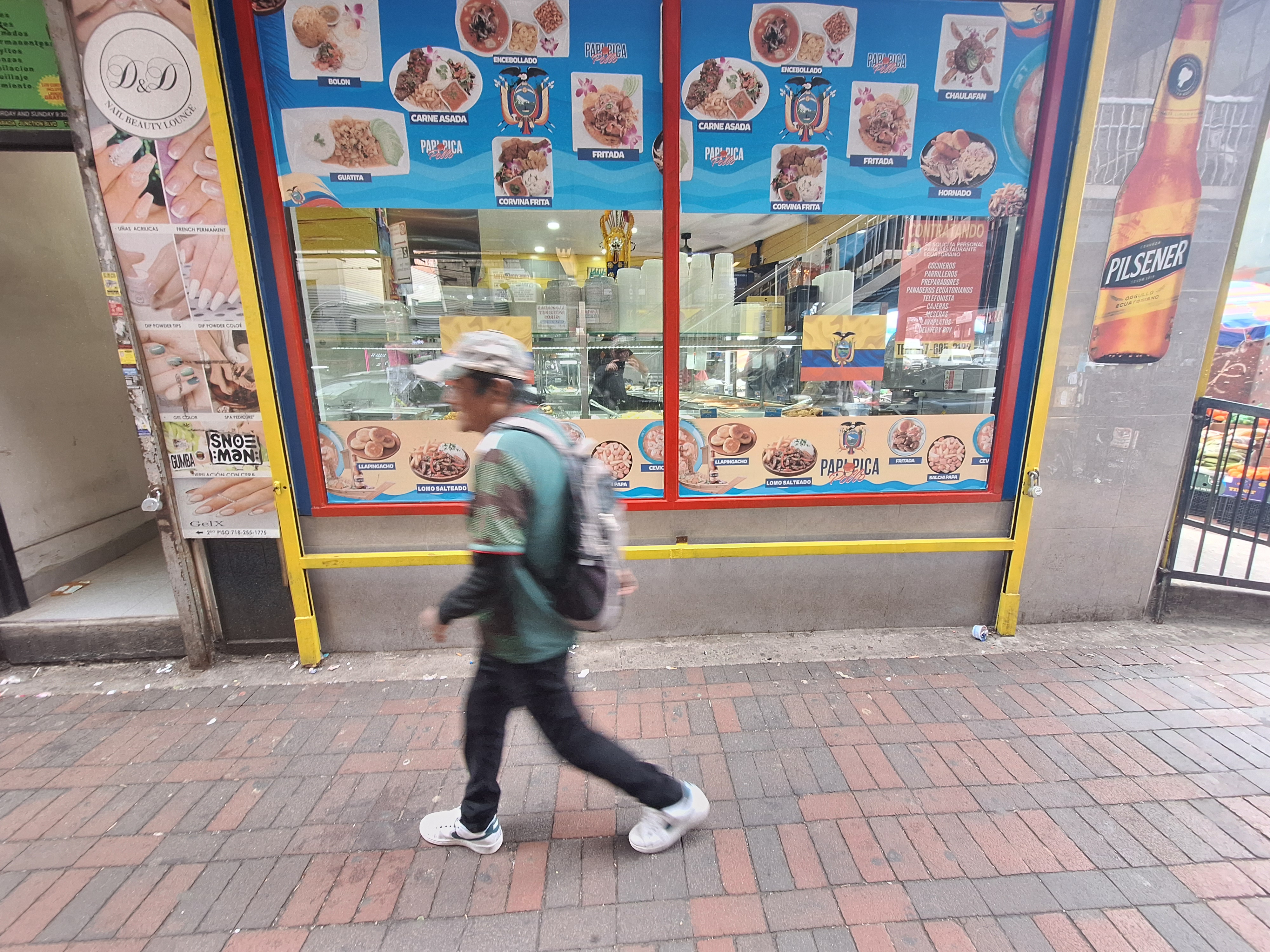
Renewed federal crackdowns on undocumented immigrants have plunged New York’s Latino enclaves into an anxious hush, reshaping day-to-day life in America’s “sanctuary city”.
In Sunset Park, Brooklyn, the sound of a door being battered down at 4:20am is unmistakable—violent, sudden, and, for many, dreadfully familiar. That February incident was not isolated. Across Latino-majority neighborhoods of New York City—Sunset Park, Corona in Queens, swathes of the Bronx—masked agents from the federal Immigration and Customs Enforcement (ICE) service have reappeared with unnerving regularity this year, puncturing the city’s self-advertised sanctuary status. In a metropolis built on migrants’ ambition, these raids have cast a long shadow. Streets that once bustled now know the hush of fear.
The statistics behind the anxiety are stark. According to advocacy groups, ICE street arrests in New York have climbed a whopping 212% since January. Shortly before the Trump administration’s return to Washington in 2025, the city averaged roughly 1,000 detentions over six months. In the first half of 2026, that total had ballooned to over 3,000. Social media, ever the amplifier, guarantees that every arrest is swiftly relayed—and often recorded—across migrant chat groups, neighborhood WeChat threads, or WhatsApp broadcasts. In the new era of viral outrage and rumour, news of a bodega visit gone awry, or a church trip ending in detention, surges through entire communities in minutes.
This marks only the third such surge of palpable dread within the city’s migrant quarters in modern memory. Elder statesmen remember Bill Clinton’s get-tough pivots in the 1990s; millennials recall the first Trump term. This time, however, the machinery of deportation arrives amid political certainty—White House statements, unambiguous and repeated, frame “illegal migration” as a central menace. The effect on the city is textural yet profound: a subtle thinning of usual commerce, fewer eyes on the street, and an unmistakable wariness in the air.
For immigrants—especially those without status—the implications are immediate and brutal. School drop-off becomes a fraught gamble; a stroll to the laundromat or corner shop, a calculated risk. According to local activists, community organizations like Make the Road New York have fielded an uptick in “disappearance” reports. Family unity, a bedrock for so many, is now anything but assured. And for tenants in targeted buildings on the Grand Concourse in the Bronx, the line between private sanctuary and public vulnerability has blurred to vanishing.
What bodes perhaps worse for New York, however, are the wider, second-order effects. Politically, Mayor Eric Adams’s much-touted commitment to sanctuary protections increasingly looks symbolic at best, frictional at worst. City lawmakers find themselves squeezed between federal realpolitik and local outrage. Economically, there are subtler—but unmistakable—ripple effects: Latino business districts, already bruised post-pandemic, report stagnant takings and dwindling footfall; informal economies, in which so many new arrivals subsist, are battered by the mere risk of sudden absence.
Socially, a new pattern emerges. Some long-settled residents question how loudly to speak Spanish in public. Parents hesitate to seek support for their children—be it health clinics or after-school programs—due to the risk of visibility. At a moment when city schools serve children hailing from more than 180 countries, the spectre of family separation disrupts learning environments and frays community trust. The chilling effect is real: fewer migrants seeking city services, more turning to “underground” solutions—some benign, some patently exploitative.
This crackdown also exposes the limitations of New York’s sanctuary model in the face of an antagonistic federal apparatus. Mayor Adams, like his predecessors, can refuse to cooperate with ICE—but city police, under pressure to enforce public order, often toe a careful, ambiguous line. Meanwhile, immigration courts in the city groan under a caseload that stretches out hope for months. For all of City Hall’s proclamations, federal reach extends deep.
Comparing New York’s plight to other American cities reveals similar tensions. Los Angeles, Houston, and Chicago each claim sanctuary status, yet struggle to shield their denizens from federal dragnet activity. States like California deploy legal countermeasures, but sanctuary status in practice means little if live-in ICE “fugitive operations” teams are determined. Such disparities breed disorienting uncertainty for migrants nationwide, reinforcing a climate of wariness and legal peril.
Globally, the present surge in raids fits a wider, if troubling, arc. Across the advanced world, political appetite for tougher borders has revived. Britain’s “small boats” rhetoric, France’s tightening asylum rules, and Australia’s long-running offshoring efforts all echo what now unfolds in America’s gateway cities. As the economics of migration grow ever knottier, the temptation to reach for visible crackdowns—however costly to social trust—proves perennially irresistible for politicians facing fractious electorates.
A city’s promise, interrupted
We reckon New York’s current predicament is neither unprecedented nor wholly intractable. The machinery of immigration enforcement, as history shows, eventually slows when the optics of child separations or mass detentions sour suburban sentiment. In the meantime, however, these cycles leave lasting scars, both human and civic. Business owners rethink expansion plans, schools budget for trauma counsellors, and city government faces a quietly recalcitrant, less visible population.
Above all, these periodic “zones of fear”—as some advocates now dub them—threaten the city’s cherished self-image. A city built and rebuilt by successive cohorts of newcomers stands diminished when its streets grow silent with apprehension. If there is solace to be found, it may be in the city’s long memory. New Yorkers have seen this movie before, and, as past surges faded into new chapters, the city adapted, often for the better.
But adaptation cannot substitute for national coherence. Until federal and municipal priorities align, or Congress undertakes the political labor of comprehensive immigration reform, New York and its most vulnerable denizens will continue to live under a regime of both hope and trepidation. In this City of Immigrants, the promise remains, but trust, once fractured, is slowest to return. ■
Based on reporting from El Diario NY; additional analysis and context by Borough Brief.