Harlem Rents Outpace Citywide Gains as Vacancy Hits Historic Low, Affordability Slips Further
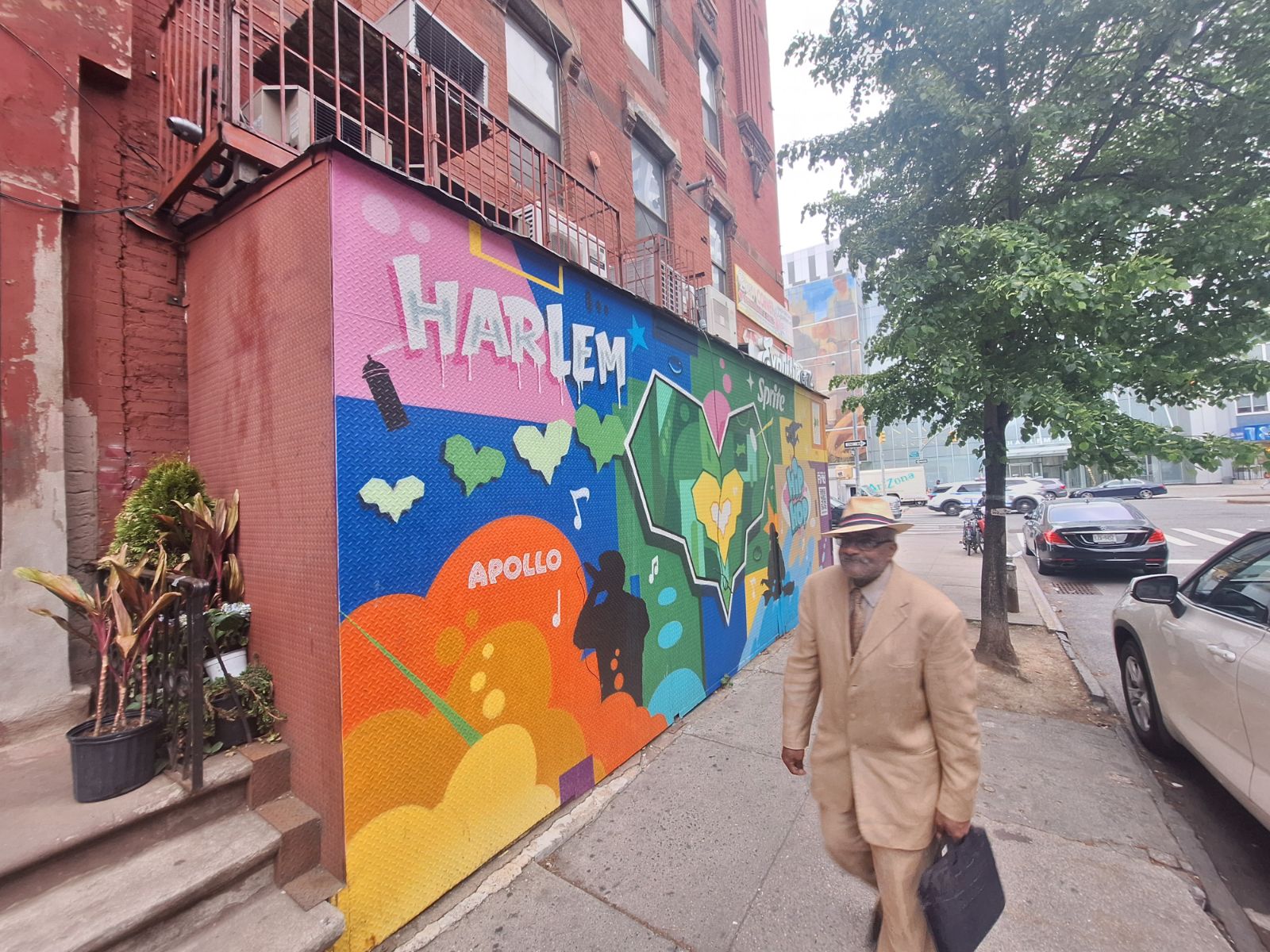
As rents surge in Harlem and across New York City, the city’s affordability crisis edges perilously close to a breaking point, with consequences for residents and the economic fabric alike.
Across New York’s five boroughs, one statistic quietly continues to gnaw at the aspirations of millions: in March 2026, the median monthly rent reached a punishing $3,706—a 5.4% leap compared to last year, and a more than twofold premium over the national average of $1,600. What was once posited as a post-pandemic anomaly has hardened into a new equilibrium, in which neither relief nor even a genuine plateau is in sight.
Harlem, long reputed as a foothold for the city’s working class, now finds itself at the epicentre of this relentless escalation. Recent figures from RentDataNow, RentCafe, and RentHop show that rents in Harlem have accelerated faster than almost anywhere else in Manhattan. The sense of refuge that once drew families north from pricier neighbourhoods is evaporating. More worrying is the virtual disappearance of anything resembling an “affordable” unit: while the citywide vacancy rate sits at a scant 1.4%—the lowest since 1968—such units are, for all practical purposes, extinct.
The forces driving this latest inflationary spasm are as familiar as they are intractable. Supply stubbornly lags demand: since 2011, New York City has added almost 895,000 new quality jobs, yet only 350,000 new housing units. It hardly takes an advanced degree in economics to surmise what happens when opportunities multiply and flats do not. Meanwhile, HPD commissioner Elyzabeth Gaumer announced in a recent hearing that the city has lost approximately 600,000 low-cost apartments (below $1,500 per month) since the 1970s—a staggering attrition rate, particularly given that most were in rent-stabilized pre-1974 buildings. Even the roughly 500,000 low-cost units that remain are imbued with near-sacrosanct importance among policymakers and renters alike.
None of this bodes well for the city’s vaunted diversity—or its prospects as an engine of social mobility. Low-income families, especially those with children, now face acute displacement pressures. The squeeze is not confined to Harlem alone: working-class districts from the Bronx to Queens are reportedly seeing similar, if less publicized, rent spikes. The upshot is a mounting exodus to outlying suburbs or even other states, prompting concerns about “hollowing out” the city’s workforce and character.
The city has not been entirely inert in the face of these headwinds. One recent attempt at reform, the Fair Apartment Rent Expense (FARE) Act, revised the allocation of broker’s fees, requiring landlords—not tenants—to shoulder the bill when they hire a broker. Intended as a measure of relief, the policy has mostly resulted in those costs being quietly passed along to renters in the form of higher advertised rents or creative deposit structures. The economic gravity of the market has, as so often, proven resistant to legislative gravity.
Other measures, including sporadic rent freezes and promises of accelerated affordable housing construction, have so far brought only tepid results. Critics argue that zoning restrictions and lengthy permitting processes remain major bottlenecks. Developers fret about the uncertainty of rent regulation and local opposition. All the while, speculation and deep-pocketed investors continue to snap up multifamily properties, betting that the trajectory of prices has yet to crest.
More than just a New York tale
Rising rents in New York are, in part, the city’s own making—reflecting years of underbuilding, an anachronistic zoning code, and an aversion to greater urban density. But the phenomenon is by no means isolated. Across America’s major cities, from Los Angeles to Boston, rents have outpaced wages for over a decade. Yet New York’s double bind—not just expensive but also deeply supply-constrained—renders it particularly vulnerable. According to national housing surveys, vacancy rates in other “gateway” cities hover around 3-4%, a figure New York can only envy.
International comparisons reveal a similar pattern: London, Paris, and Toronto all confront their own versions of the affordable-housing trap, but New York’s particular scale and diversity mean the consequences are broader and more corrosive. The city’s magnetic allure—to students, strivers, and immigrants alike—relies in no small measure on its promise of opportunity. That promise rather loses its lustre when a basement studio in Harlem rivals the median American mortgage payment.
Is all this simply the price of urban dynamism, or a policy failure years in the making? We reckon it is both. On the one hand, New York’s ceaseless churn is precisely what underpins its economic buoyancy. On the other, a puny housing pipeline has left the market hostage to shocks and speculative capital. Politicians’ promises, while sonorous, seldom translate into the sort of radical upzoning or investment required to break supply-side logjams.
Nevertheless, we harbour some sceptical optimism. History shows that market pressures eventually prompt action, however belated or imperfect. The city’s recent embrace of “affordable density”—taller buildings along transit corridors, loosening of accessory unit restrictions—suggests a grudging acceptance that old blueprints cannot persist indefinitely. The politics of housing in New York remain fractious, but the scale of the crisis is now so glaring that avoidance has become electorally hazardous.
For Harlem, the moment is bittersweet: its revitalization bodes well for local commerce and property owners but comes at a steep social cost, threatening the cultural vibrancy that made the neighbourhood desirable in the first place. For the rest of New York, the lesson is sobering. Unless the city can square its appetite for growth with a far more ambitious housing agenda, it risks winding up as a preserve for only the luckiest or wealthiest, rather than a teeming metropolis worthy of the name.
Absent bold policy, rents will continue to set an ever-higher bar for entry—leaving behind the very people who once animated the city’s mythos. What remains to be seen is whether New Yorkers, ever famed for reinvention, can muster not just resilience, but reform. ■
Based on reporting from El Diario NY; additional analysis and context by Borough Brief.