Half of NYU’s Contract Faculty Strike for Pay and Security While Classes Soldier On in Greenwich Village
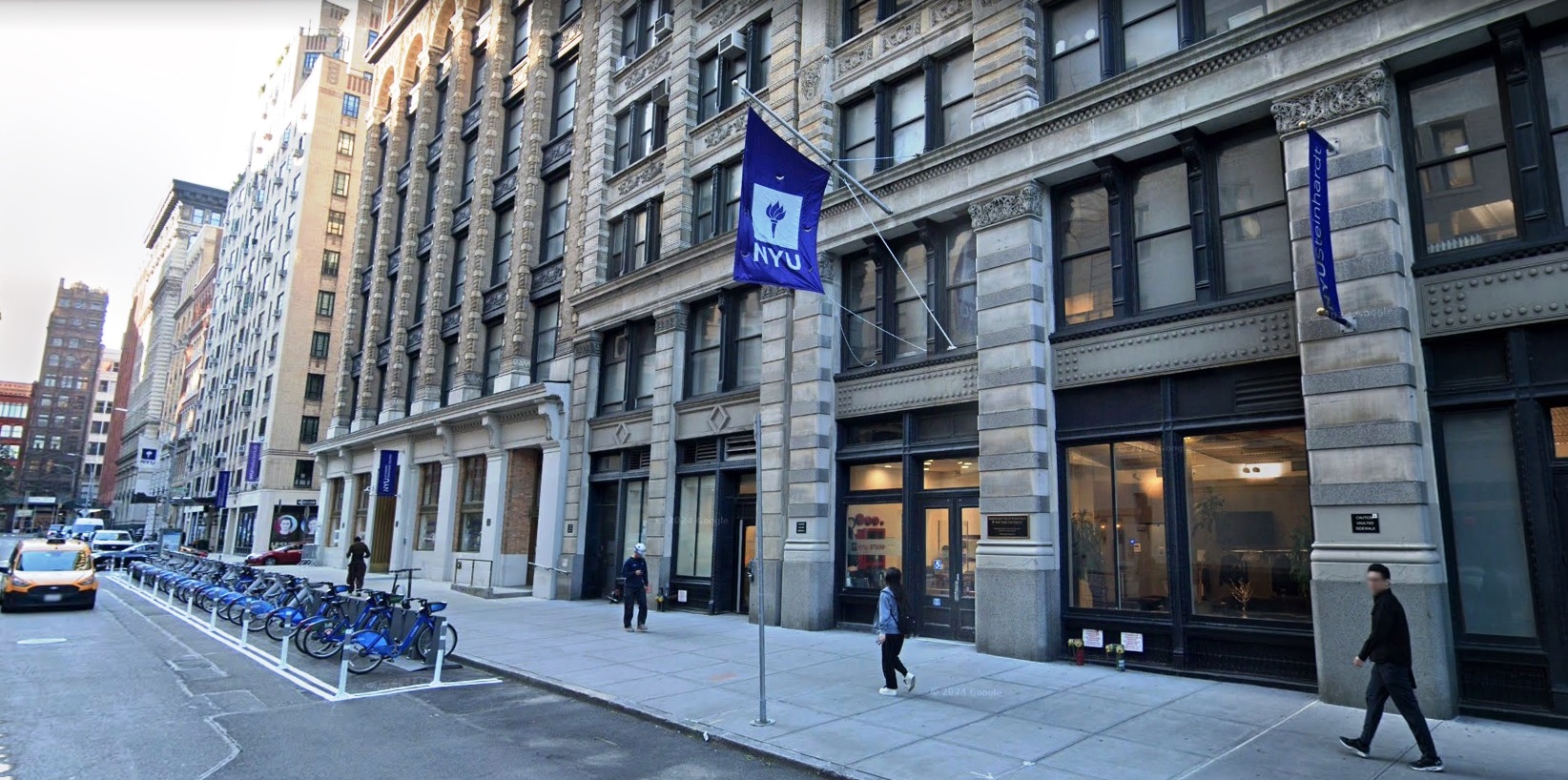
The standoff between New York University and its contract faculty signals the growing unrest over wages and job security roiling American higher education’s elite precincts.
When nearly 1,000 professors at New York University downed their proverbial chalk on a crisp Monday morning in late March, the city’s students could be forgiven for feeling déjà vu. The spring semester had hardly begun before Greenwich Village once again echoed with chants, banners, and the rituals of industrial action. No less than half of NYU’s full-time faculty—those not on the elusive path to tenure—found themselves on strike, confronting one of America’s wealthiest private universities.
The union behind the drama, Contract Faculty United (CFU-UAW), represents these “professors by contract.” Their demands: pay that matches both their service and the city’s cost of living, enhanced job security, a voice in academic decisions, and protections for academic freedom. The strike was green-lit by a resounding 90% of voting union members, with a robust 75% of the union taking part in the vote—a turnout that hints at considerable discontent.
For NYU’s administration, led by spokespeople such as Wiley Norvell, the confrontation is a test of management poise and public messaging. The university insists its package—reputedly the most generous for such faculty anywhere in the country—more than suffices. Indeed, NYU assured students that progress toward their prized degrees would proceed undisturbed, deploying stand-ins and alternative lesson plans for each affected class.
Yet, such reassurances feel distinctly modern: the promise that, in the throes of labor conflict, no customer (or in this case, tuition-paying student) will go unserved. In practice, the disruption is less palatable. For students, there is confusion and, in many departments, interrupted instruction. For faculty, the strike pits professional commitment against material security—a dilemma that university administrators across America are increasingly loath to acknowledge.
The strike is more than an institutional quarrel. It underscores an uncomfortable reality: the illusory stability of academic employment, even at top-tier universities. Contract (or “contingent”) faculty now form a swelling majority in American higher education—a far cry from the golden age of tenured professorships. These educators often shoulder heavy teaching loads for puny compensation and term-limited contracts. Job security, even after years of loyal service, remains fragile.
NYU’s non-tenure track faculty teach, advise, and form the backbone of undergraduate education, while being systematically excluded from the security, voice, and status afforded their tenured peers. This divide, sharpened in New York’s buoyant but expensive metropolis, brings wage and equity debates frequently simmering in other sectors directly into the faculty lounge.
As ever in New York, the drama is amplified by the context—America’s premier city beset by growing labor agitation. The contract faculty’s walkout comes hot on the heels of this year’s nursing strike, in which over 10,000 nurses paralysed major hospitals (Montefiore, Mount Sinai, NewYork-Presbyterian/Columbia) for days. Whether in hospitals or lecture halls, the fundamental causes rhyme: wage stagnation despite rising institutions’ coffers, burnout, and the gnawing sense that skills and dedication are undervalued.
Nor is the NYU conflict isolated. The past five years have seen a cascade of faculty strikes at prestigious universities, including Columbia, Harvard, and the University of California system. Nationally, the underlying arithmetic bodes ill for harmony: since 1976, the share of full-time tenured professors has dipped below 30%; nearly three-quarters of college instructors now lack tenure, per the American Association of University Professors. Wages for contingent faculty have barely outstripped inflation, while tuition and institutional endowments balloon.
A national reckoning for academic labour
Internationally, American universities face mounting competition for both talent and reputation. While the United States remains a magnet for aspiring academics worldwide, uncertainty over job security and pay could eventually sap its draw. Large public systems—in Europe and parts of Asia—have their own problems but often offer steadier paths to secure academic employment, especially in teaching roles.
Locally, New York’s universities, awash with billionaire donors and real estate, play a more overtly commercial game than their public counterparts elsewhere in America. Sky-high tuition is justified by prestige, location, and supposed innovation, yet the business model often relies on precarious labor—a contradiction increasingly visible to students, faculty, and families alike. For a private behemoth like NYU, the optics of well-compensated leadership and capital projects juxtaposed with striking teachers are, at best, untidy.
The deeper fear for university brass is that the unrest will not merely sap morale but erode institutional credibility. Prospective students, already wary of education’s high costs and tepid returns, may well question universities that cannot guarantee stability for those who teach. Share of faculty who can be counted on to remain semester after semester—a basic expectation—appears less a given than a privilege.
As ever, the city’s political apparatus strains to keep up. New York’s leaders, wary of alienating both universities (as employers and prestige-machines) and their increasingly unionized workforces, offer tepid support to both sides. The broader reckoning over labor rights, cost of living, and the purpose of the modern American university seems likely only to intensify.
In sum, NYU’s contract faculty strike portends a larger transformation in American higher education. The compact between academic labor and administration, never particularly harmonious, is fraying further. If contract teachers—indispensable yet structurally sidelined—can win not just incremental pay hikes but a seat at the table, other universities will surely take note.
For all the rhetoric about “student experience” and “excellence in teaching,” universities ultimately reveal their values through whom (and how) they pay. NYU and its ilk must now reckon with the reality that dissatisfied faculty, when sufficiently organized, command not just classrooms but the headlines—and, perhaps, the future architecture of American academia. ■
Based on reporting from El Diario NY; additional analysis and context by Borough Brief.