Grocery Prices Outpace Inflation, Pushing New Yorkers to Rethink Eggs and Shopping Lists
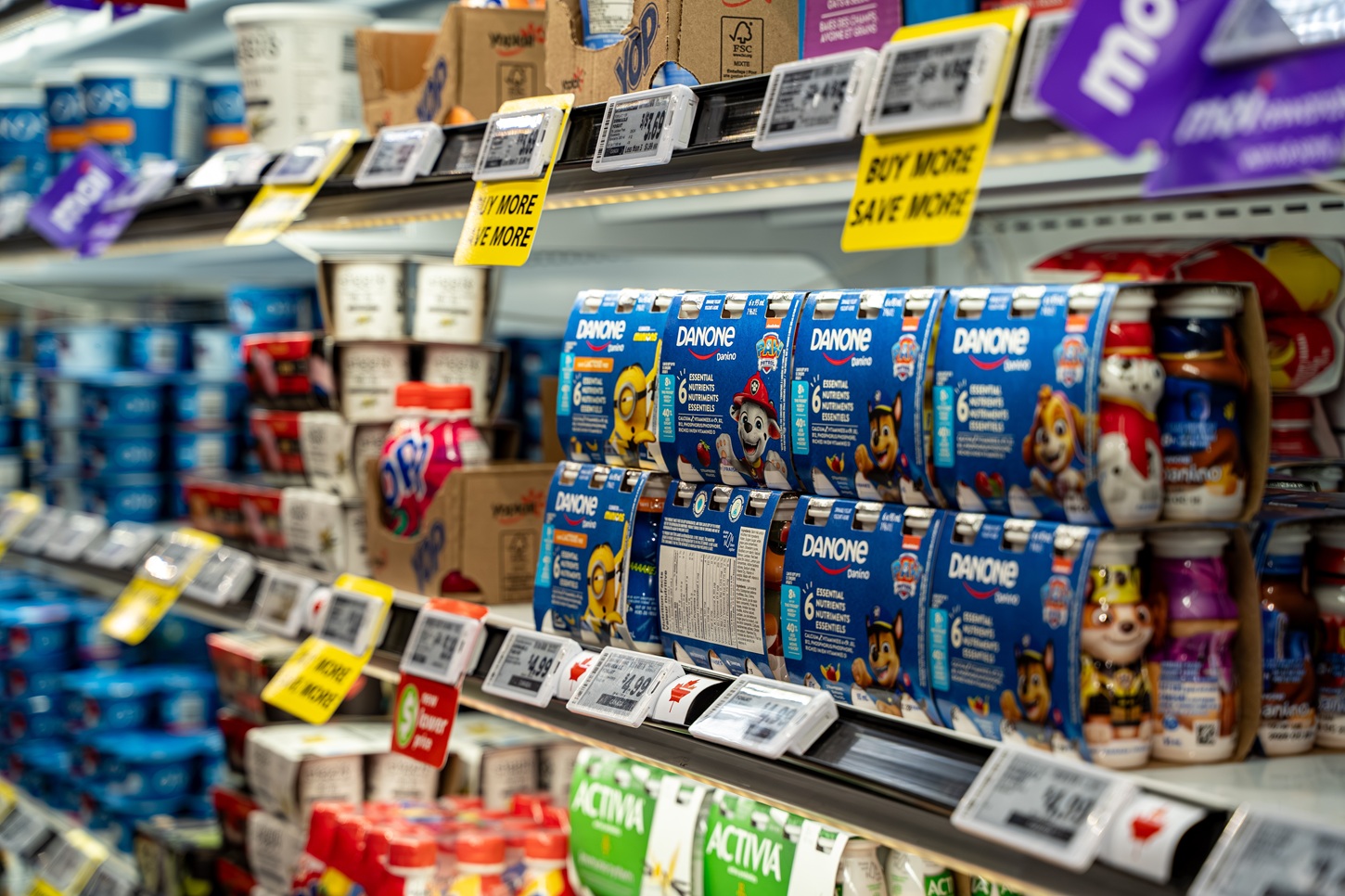
Persistently rising US grocery prices squeeze New York City families, with low-income households feeling the brunt.
At a bodega in the Bronx, a dozen eggs now cost closer to $5 than $3, and a gallon of milk no longer threatens to undercut gasoline as the city’s most common price reference point. Data from the Bureau of Labor Statistics (BLS) confirm what residents of New York have felt at checkout: the cost of groceries, long a source of daily budgeting woe, continues to rise more briskly than most other household expenses. In the last year, staples such as eggs, meat, and dairy have all posted eye-catching price increases, outpacing even the country’s stubbornly persistent headline inflation.
This climb in food prices is not, strictly, news. Yet the latest figures lend quantitative heft to the pain: according to the BLS, some categories have posted increases above the already heady general inflation rate. Eggs, a kitchen workhorse, led the pack with double-digit jumps. Meat and dairy—both mainstays in many New York households—did not lag far behind.
For the city’s eight million residents, the implications go far beyond supermarket sticker shock. Food accounts for the second-largest slice of most household budgets, after housing, and for families with more modest means, it often comprises a third of monthly spending. The trend threatens to eat further into pocketbooks already frayed by high rents and transit fares.
These price hikes are far from arbitrary. Federal agencies and industry watchers point to rising costs throughout the supply chain: transportation, energy, and farm inputs like feed and fertilizer have all become pricier. Weather volatility, avian flu outbreaks, and global commodity disruptions—spurred in part by the war in Ukraine—all conspire to keep farm-to-shelf costs ascending.
Most acutely affected, unsurprisingly, are the city’s lower-income families. Experts note that the least affluent New Yorkers spend a disproportionately large share of income on food, leaving them scant cushion when chicken breasts and cheddar become premium products. Programs such as the Supplemental Nutrition Assistance Program (SNAP) now serve an even more vital role in keeping fridges stocked. But rising prices quietly erode the real value of SNAP benefits, leaving recipients less able to fill their carts.
The squeeze extends to neighborhoods in all five boroughs, but hits hardest in the South Bronx and central Brooklyn, where food insecurity was already endemic before the pandemic. As prices rise, food pantries run by groups like Food Bank for New York City and City Harvest report higher demand and dwindling supplies. The aggregate impact is frugal dinner tables and changed shopping habits: multiple studies (including by the CFPB) indicate that New Yorkers are planning meals more carefully, relying more on low-cost grocery chains such as Aldi and Trader Joe’s, and scrupulously following shopping lists to prevent overspending.
Some of these responses are, as consumer advocates suggest, not merely prudent but essential. The Consumer Financial Protection Bureau has recommended strategies such as planning grocery lists, stockpiling sale items, and preparing more home-cooked meals in bulk—all with the goal of stretching each after-tax dollar that little bit farther. Simple routines, it turns out, can yield meaningful monthly savings.
A national trend with a distinctly New York twist
New York is not, of course, unique in feeling the bite of pricier groceries. Across the country, Americans face similar challenges. Yet the city’s peculiar combination of high living costs, dense population, and idiosyncratic distribution networks intensifies effects. While residents of smaller cities might rely on big-box stores and warehouses, New Yorkers are more often at the mercy of smaller grocers and bodegas, where limited shelf space translates to less aggressive price competition.
The price spike has also exposed longstanding fragilities in the city’s food system. Infrastructure bottlenecks—aging roads, limited cold storage in outer boroughs, and chronic truck congestion—push up the cost of getting perishables from upstate farms (or the Port of Newark) into Manhattan and beyond. For local policymakers, these are unglamorous but pressing challenges; recent task forces have taken to the city’s streets to study so-called “food deserts” and brainstorm logistical improvements.
Meanwhile, at the federal level, the government’s responses remain largely incremental: modest benefit boosts to SNAP, some targeted funding for food banks, and ongoing research into food price drivers. The prospect of an imminent return to pre-pandemic grocery prices is, most economists agree, wishful thinking. Instead, the consensus is for a “new normal” of persistently high prices driven by both global and local forces.
There are glimmers of hope for beleaguered shoppers. Analysts from the USDA see some moderation in price growth for certain commodities in the coming year, particularly as supply-chain snarls ease and input costs level off. But any city resident expecting bargains akin to 2019 may be waiting a long while.
In sum, this inflationary cycle, though not unprecedented, carries real risks for the urban poor and working class. Left unchecked, rising food prices may contribute to higher rates of malnutrition, absenteeism in schools, and petty crime. They also exacerbate a sense of insecurity for New Yorkers already battered by income volatility, rent pressures, and a pandemic hangover.
The city, too, must recognise the opportunity in this adversity: to modernise food supply infrastructure, expand eligibility for nutrition assistance, and encourage innovative urban farming. As we see it, these aims are neither utopian nor trivial. Pragmatism—fortified by data and a pinch of public investment—will do more to protect the city’s most vulnerable than empty rhetoric ever could. ■
Based on reporting from El Diario NY; additional analysis and context by Borough Brief.