Gas Prices Hit $4.23 and Inflation Climbs in NYC, Family Budgets Tighten Further
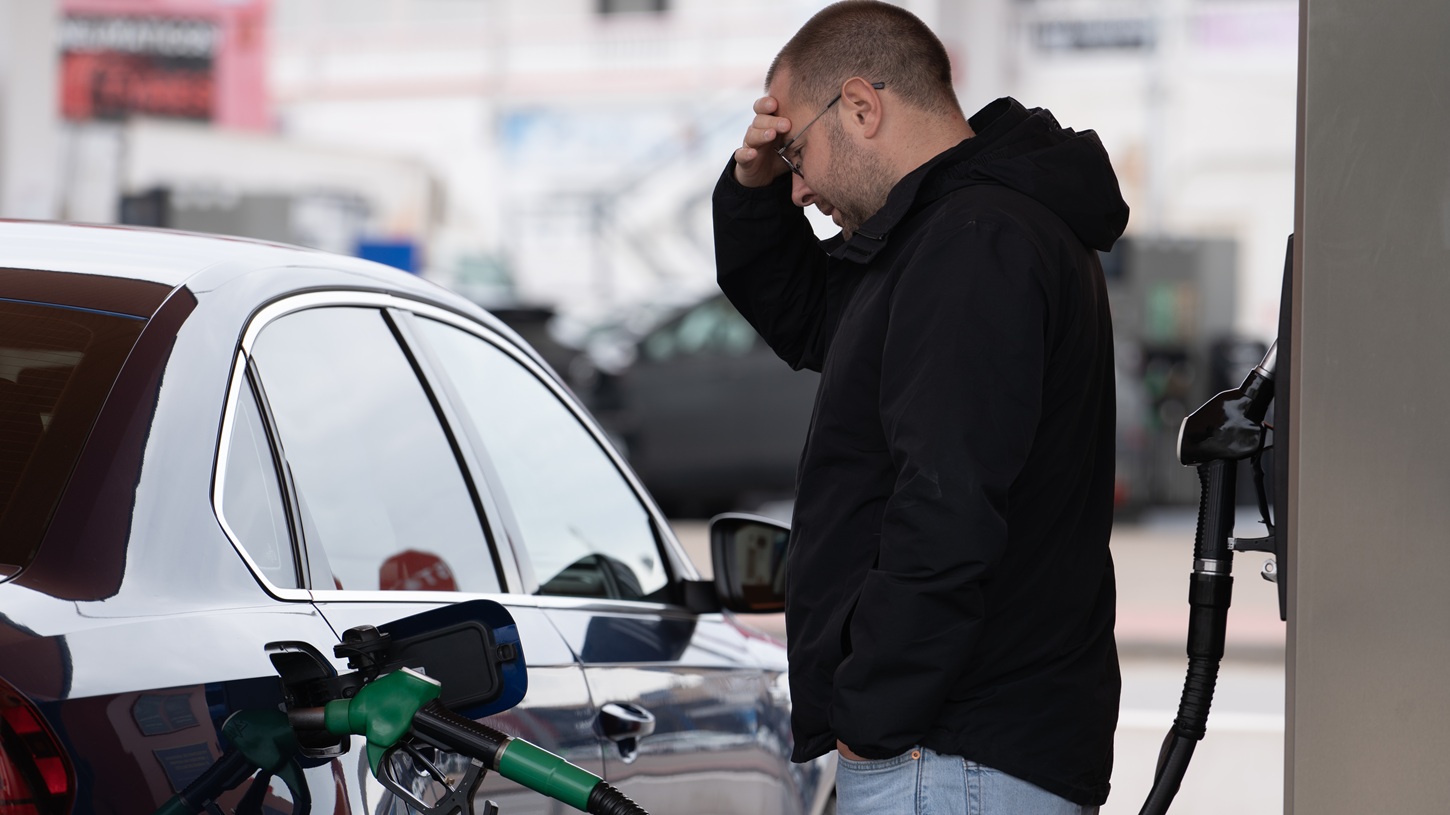
Stubbornly high fuel prices and persistent inflation are squeezing New York City families, challenging both confidence and consumption.
On a grey March morning, the cost of a gallon of gasoline hit $4.23 at stations across New York City—the highest since 2022. This is no statistical anomaly: for the city’s residents, every fill-up of a 12-gallon tank now easily breaches the $50 mark, and the march of price tags has not stopped at the curb. Annual inflation sits at a sticky 3.3%, well above the Federal Reserve’s comfort zone. The result is that the household budget is under steady siege.
The trigger for this latest surge was geopolitical. When conflict broke out in the Middle East at the end of February 2026, oil markets responded with predictable alarm. Within a fortnight, crude futures spiked, and downstream, retail gasoline prices leapfrogged by nearly a dollar per gallon. For a typical New York family with two cars, this translates to an estimated $857 in additional fuel costs this year alone, if pump prices remain elevated.
But gasoline is only the tip of the inflationary iceberg. The Bureau of Labor Statistics reports that food costs, notably for restaurant meals, continue to outpace overall inflation, and renters face eye-watering escalation clauses. For a family of four in the outer boroughs, new monthly grocery and fuel outlays demand between $80 and $120 more than a year ago—no small sum when household earnings have scarcely budged.
This pinch has practical, if inelegant, consequences. Over half of Americans, according to recent surveys, say rising fuel prices are compelling them to cut back on entertainment, dining out, or even savings contributions. The city’s Hispanic families, heavily represented in service industries and often living farther from their jobs, bear the brunt: transportation gobbles up a larger slice of their budgets than it does for those living and working in Manhattan’s core.
Economists caution that elevated energy prices are a pernicious drag, pinching household spending power just as consumer confidence stirs. For a city already grappling with high rents and lagging wage growth, every extra dollar spent on gasoline is a dollar not spent on Main Street businesses or—more likely—on brown-bag lunches carried into the subway. That begs more than sympathy; it portends real ripple effects in New York’s commercial arteries.
The second-order consequences are not limited to wallets. Higher energy and food costs can stoke the embers of electoral frustration. Politicians face heat from constituents weary of hollow pay raises and restless at the cash register. Meanwhile, mounting expenses for fuel embolden advocates of greener alternatives—yet the high up-front cost of electric vehicles and improved transit infrastructure keeps that promise tantalisingly just out of reach for most.
As prices stay stubborn, some New Yorkers are taking the situation into their own hands. Banking on advice from consumer advocates and motoring federations, they rotate tires faithfully, favor easy acceleration, and sniff out loyalty-program discounts, often eking out tens of dollars in monthly savings. Others turn to citywide and federal assistance schemes ranging from SNAP benefits to utility aid, though these programmes, awareness and access issues aside, seldom keep pace with aggregate price rises.
Despite the city’s famed resilience, it is worth noting how few levers are immediately within local grasp. Petroleum is traded on global markets: no mayor can strong-arm futures contracts, nor can the city council legislate a lower Brent crude price. City agencies may tinker with congestion pricing, or expand bus lanes, but such salves are modest and slow to enact.
The squeeze spreads beyond gasoline
What may seem a parochial New York gripe is, in fact, a symptom shared with urbanites across America—and, indeed, the world. In Europe, fuel and food inflation have been yet more acute; London’s motorists now reckon with the equivalent of $6 a gallon. Parisian grocers dawdle before restocking shelves for fear of sticker-shock. That global context offers cold comfort for New Yorkers but does hint at the limits of purely local response.
One might reasonably expect persistent inflation to galvanize Washington policymakers. Yet the dynamics are awkward: rapid interest-rate rises choke off investment, while embracing subsidies risks adding fuel to the inflationary fire. Presidentially minded politicians may rail against “greedflation” or impugn OPEC. Yet the structural factors—war, pandemics, labour frictions—are punishingly indifferent to podium oratory.
The longer-term portents for New York are more complex. High costs may nudge some toward public transit, perhaps easing gridlock but exacerbating crowding on a subway system in dire need of investment. Soaring food and energy bills may invigorate calls for “living wage” legislation or city-level price controls, though the latter often prove self-defeating. Alternatively, inflation could stoke political centrism, as even modest households crave predictable costs and steady employment over utopian promises.
We take a sceptically optimistic view. For all the complaints—and they are legion—New Yorkers are nothing if not adaptive. Consumer vigilance, wage negotiations, immigration-driven population resilience and technological change can soften most economic blows over time, however punishing the initial sting. None of that, of course, provides immediate solace for working families watching their receipts climb and their discretionary income shrivel.
Enduring price pressures, especially on essentials, are a test for this city’s famed energy. Policy alone will not rescue the New York wallet; but awareness, prudent spending, and the city’s irrepressible capacity for adaptation may yet stave off stagnation. Adjustments are inevitable. Decline, mercifully, is not. ■
Based on reporting from El Diario NY; additional analysis and context by Borough Brief.