Democrats Urge Hochul to Fund Essential Plan as 450,000 Face Losing Coverage in July
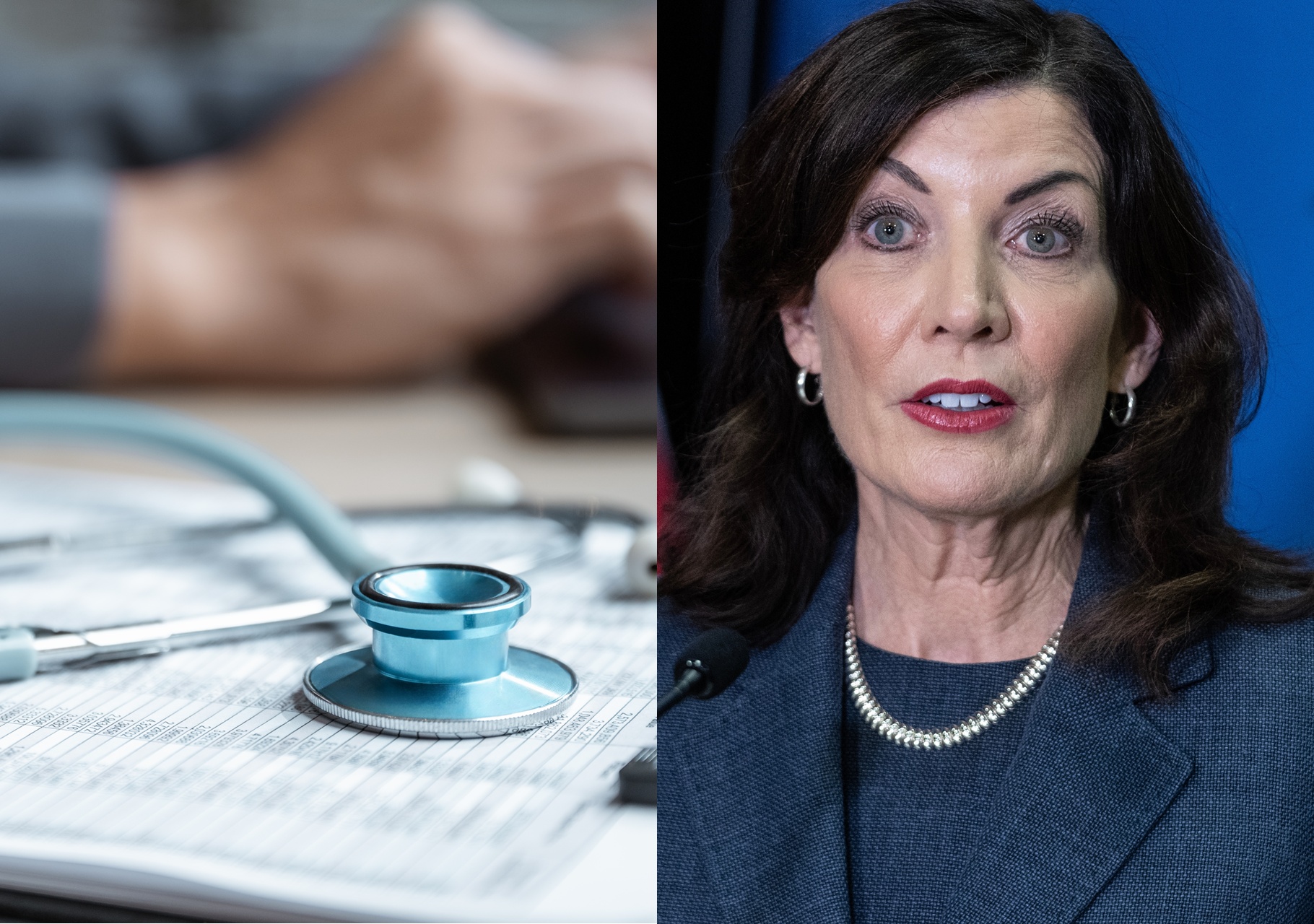
As federal cuts imperil coverage for nearly half a million New Yorkers, Albany’s budget wrangling enters a critical phase for the health of the working poor.
A bleak letter arrived in hundreds of thousands of mailboxes across New York in recent weeks: insurance for nearly 450,000 residents, chiefly low-income adults enrolled in the Essential Plan, will vanish come July. The missives, bureaucratic in tone yet drastic in implication, reveal the throes of a dispute at the fault line of Washington’s cost-cutting and New York’s welfare ambitions.
At the centre is the Essential Plan—a public health insurance scheme, part of the Affordable Care Act framework, providing subsidised coverage to about 1.7 million New Yorkers. Due to trims in federal funding originating from fiscal deals brokered in Congress under Donald Trump, a quarter of those covered are set to lose the benefit. While Governor Kathy Hochul’s office claims to have shielded the program’s majority, the fate of nearly half a million remains in limbo.
State lawmakers, predominantly Democrats, have not sat idle. In a letter signed by more than 75 legislators, they pressed Hochul to stave off the coverage cliff by plugging the federal shortfall from the state’s own $268bn budget, now approaching its seventh week overdue. Legislators argue that the threatened population—often on the edge of poverty—stands ill-equipped to absorb higher private market premiums. Consumer advocates echo these warnings, forecasting a swell of hardship, especially for immigrants and gig workers.
The timing is as fraught as the subject. The budget impasse ties up other priorities, yet few issues resonate like health security in a city still bearing pandemic scars. Carl Heastie, the Assembly Speaker, allows that talks with Hochul and the Senate continue, but grimly pegs the fiscal price tag at “billions”—a figure at odds with estimates from health policy analysts. They cite figures nearer $393m this year, rising to $675m by 2029, assuming coverage were to be fully restored.
Political blame, as is customary, is lavishly apportioned. Hochul’s office squarely attributes the cutbacks to New York’s Republican delegation, who voted for a federal spending package that prioritised tax relief at the cost of so-called “entitlement” outlays. “Congressional Republicans…are responsible for these cuts,” said spokeswoman Nicolette Simmonds, a familiar refrain as the Empire State’s perennial conflict with Washington grinds on.
That said, New York’s fiscal tools are not without rust. Even the more modest cost projections, though dwarfed by the state’s mountainous budget, must compete with a raft of new tax proposals and spending demands. Lawmakers float half-measures: imposing $50 monthly premiums on recipients or trimming provider payments. Such steps, however, threaten to erode the very affordability and access that made the Essential Plan’s expansion politically palatable to begin with.
For New York City, the implications are acute. The metropolis contains a disproportionate share of those at risk, including workers without employer coverage, immigrants, and the self-employed. Strip away subsidised coverage, and the strain will land on emergency rooms and clinics already buckling from federal pandemic-era aid lapses. Hospitals warn of being saddled anew with “uncompensated care”—a euphemism for treatment provided, but seldom paid for by the patient or government.
The economic ripples are equally troubling. Although the sum in question represents a sliver—less than 0.25%—of the total state budget, the direct cost to individuals is steep. The Urban Institute reckons the average annual premium for alternatives on the state’s exchange could exceed $1,800 per person, a punishing surcharge for those earning modest wages. Advocates fear a migration of New Yorkers from coverage altogether, driving the state’s uninsured rate—among the lowest in the nation—significantly higher.
Patchwork solutions and policy laggards
New York’s plight is far from unique, but its scale is unmatched. Other Democratic strongholds, including California and Massachusetts, face similar pinch points as pandemic-era subsidies expire and Washington turns frugal. Yet the Essential Plan, forged as a bulwark against such volatility, stands as a cautionary tale of progressive policy yoked to federal purse strings and unpredictable congressional mood swings.
The underlying tension is not simply fiscal, but philosophical. Should states bridge every gap when federal commitments falter, or concede that the bounds of social insurance are subject to budgetary weather? Hochul claims that “most” enrollees will not see disruption, but the swinging door for the unlucky remainder stresses the capriciousness of American federalism. Meanwhile, stop-gap compromises—modest copays here, squeezed provider reimbursements there—risk rendering public schemes less sustainable and effective, tempting some lawmakers to backtrack on prior pledges of comprehensive access.
This perennial jostling also hints at why the United States, alone among wealthy nations, continues to treat insurance coverage as a political football. The instability thrust upon New York’s working poor by a distant congressional vote is precisely what universalist models abroad aim to avoid. States such as New York bear the cost, financial and civic, of the discord.
All this presents an unflattering portrait of both Albany and Washington. Were the negotiations less erratic, New York’s legislators might have quietly patched the shortfall or, bolder still, designed insurance protections resilient to Washington’s spasms. Instead, the state wavers between absorption, passivity, and half-measures.
For the nearly half-million New Yorkers eyeing July’s deadline, what beckons is uncertainty—a condition as damaging as the loss of coverage itself. Amidst budget wrangling and blame games, a core social contract flickers: that a major financial hiccup or a change in political weather will not undo basic necessities for those least able to ride out the storm. Whether Albany chooses pragmatism or paralysis will determine whether this contract holds in a city—and a nation—where health care lurches ever toward precarity. ■
Based on reporting from El Diario NY; additional analysis and context by Borough Brief.