Deal Averts Citywide Doormen’s Strike, Hikes Wages and Pensions by 2028
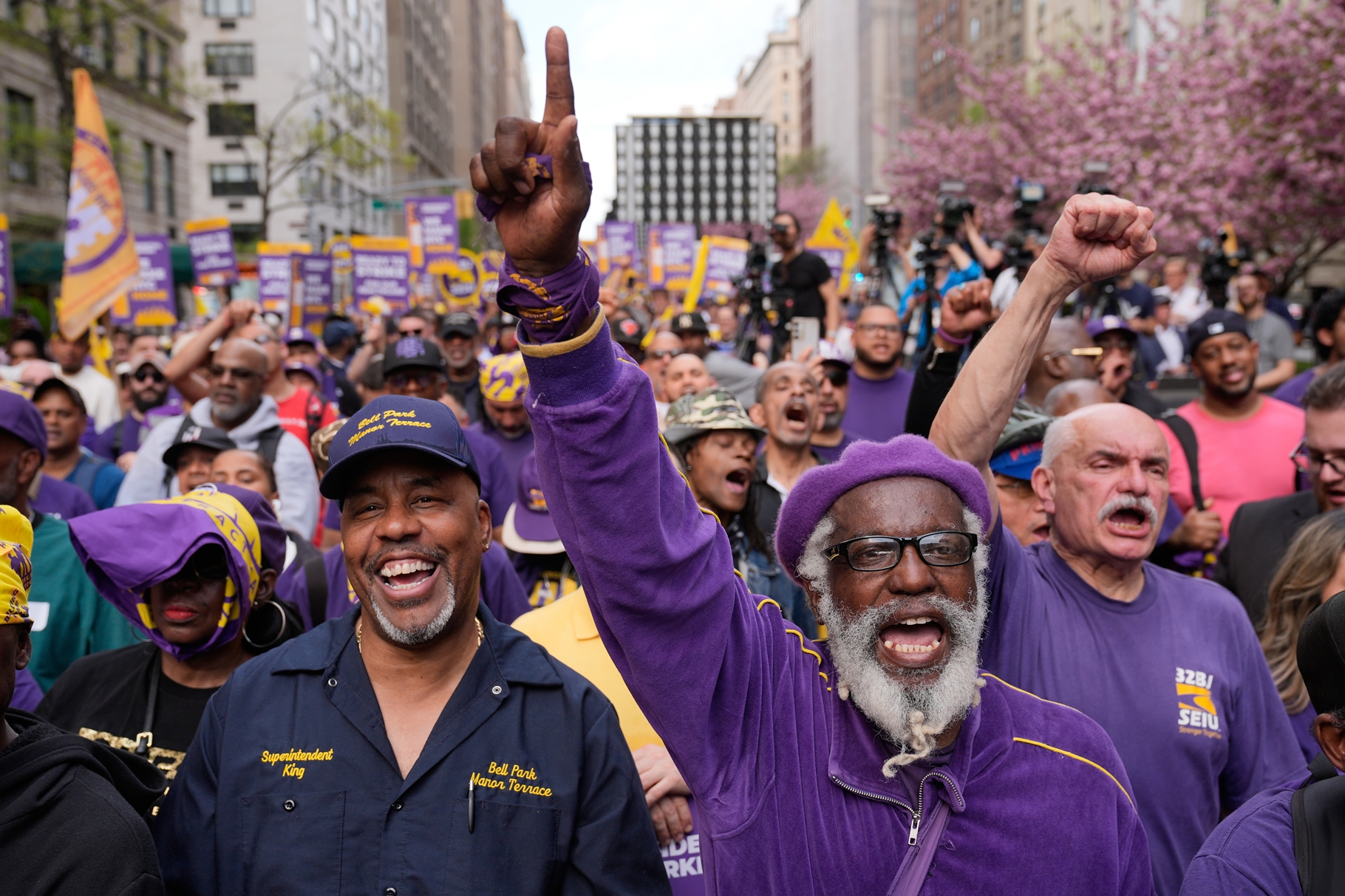
An eleventh-hour deal averts chaos for 1.5 million New Yorkers—and hints at the fragile equilibrium beneath Gotham’s affluent façades.
Looming strike deadlines have a habit of catching New Yorkers’ attention. This week, nearly 34,000 doormen, porters, and other residential staff came within hours of walking off the job, threatening to leave the lobbies of 3,500 apartment buildings across the city unstaffed for the first time in 35 years. The implications were not paltry: residents stood to lose both convenience and security, and building owners risked disorder and considerable inconvenience for their tenants. Instead, a marathon bargaining session between union and management yielded a tentative contract agreement on May 24th—barely two days before the old deal’s expiry—that may go some way toward easing a different kind of urban anxiety.
At issue were wages, health insurance, and pensions for workers represented by the Service Employees International Union Local 32BJ. As rents and prices climb ever higher in America’s costliest city, the union insisted its members needed raises simply to remain viable New Yorkers. The new contract delivers: over four years, average pay for building staff will rise from $62,000 to around $71,000—a not insignificant leap, albeit one that puts them only modestly ahead of local inflation forecasts.
Health and retirement were tightly bound into the negotiations. The deal maintains current medical coverage for all staff, avoiding the proposed premiums that would have eroded take-home pay for many. Pensions will see a 15% enhancement, and the union touts new training programmes aimed at smoothing the path to higher pay for future hires. Owners, for their part, extricated concessions too: some relief on their contributions to a jointly managed, well-capitalised health fund, and—crucially—no new categories of lower-paid entrants to undermine the existing wage structure.
For New York, the agreement bodes well—at least in the short term. The mere prospect of a stoppage sent jitters through the real-estate industry and co-op boards from Inwood to Battery Park: in the city’s dense vertical neighbourhoods, building workers are essential cogs, not mere luxuries. The strike threat saw rare political consensus in support of the workers: the city’s mayor and several legislators turned up at raucous pre-strike rallies, underscoring the role such staff play in maintaining both comfort and social order in thousands of buildings.
Yet the pact is more than a technocratic fix for staving off garbage pile-ups and elevator outages. New York’s property market is at a crossroads, buffeted by high interest rates (the average 30-year mortgage rate hovers near 7%) and shifting post-pandemic demand. Margins for even well-heeled building owners are less buoyant than they once were, particularly outside Manhattan’s glittering avenues. For the city’s army of renters and co-op shareholders, the larger wage bill portends steeper carrying costs; already, median rents climbed 15% citywide over the past year, and costs rarely trickle down kindly in Gotham.
Some fret that such settlements merely widen New York’s notorious affordability gap. Still, the data suggest that unionised building jobs anchor working-class livelihoods in a city increasingly out of reach for those without college degrees; $71,000 buys modest comfort, not extravagance, in today’s five-borough market. The union’s victory also forestalls the economic insecurity that often drives workers into second jobs or out of the city altogether, a trend visible across much of urban America.
Building owners, meanwhile, argue that the new deal is a pragmatic compromise. Howard Rothschild, president of the Realty Advisory Board, points out that by holding the line against a cheaper “two-tier” wage system, both sides discouraged future labour unrest, preserving the continuity prized by tenants and board presidents alike. The modest easing of heath-fund contributions acknowledges their financial pressure but falls well short of the rollbacks sought at the bargaining’s outset.
A harbinger for urban labour, at home and abroad
The deal also fits a wider American pattern. Across the country, pandemic-era gratitude toward essential workers is hardening into something more material: since 2022, unionised workers have notched above-inflation contracts from Los Angeles hotel porters to Detroit’s autoworkers. In cities as expensive as New York or London, where even public-service careers now often fail to secure a foothold on the housing ladder, unions have found fresh leverage through the spectre of acute disruption.
Globally, the quiet ascendancy of building staff is not unique to New York. In Paris, co-propriété concierges fought similar battles after Covid-19 highlighted their role. Yet New York’s scale is singular. As more cities grapple with stratified incomes, lessons from this skirmish may travel: absent measured deals, urban essential workers may soon test their muscle with more public—and messier—industrial action.
Plainly, the outcome is not a panacea. The settlement preserves some of the city’s fading middle-income pathways but cannot address the deeper housing cost spiral that bedevils New Yorkers and vexes policymakers. The threat of two-tier wage structures, though vanquished for now, may return in future rounds. And as real-estate revenues see-saw, smaller landlords—particularly in outer boroughs—may falter under heavier labour costs.
Still, we reckon both sides read the city’s mood sensibly. The truce is a reminder that, in the labyrinth of New York’s vertical urbanism, relatively discrete workers occupy outsized roles. That their demands found resonance is both an endorsement of their importance and a reflection of the city’s precarious balance—one that, for the moment, endures. ■
Based on reporting from El Diario NY; additional analysis and context by Borough Brief.